Translated with AI
































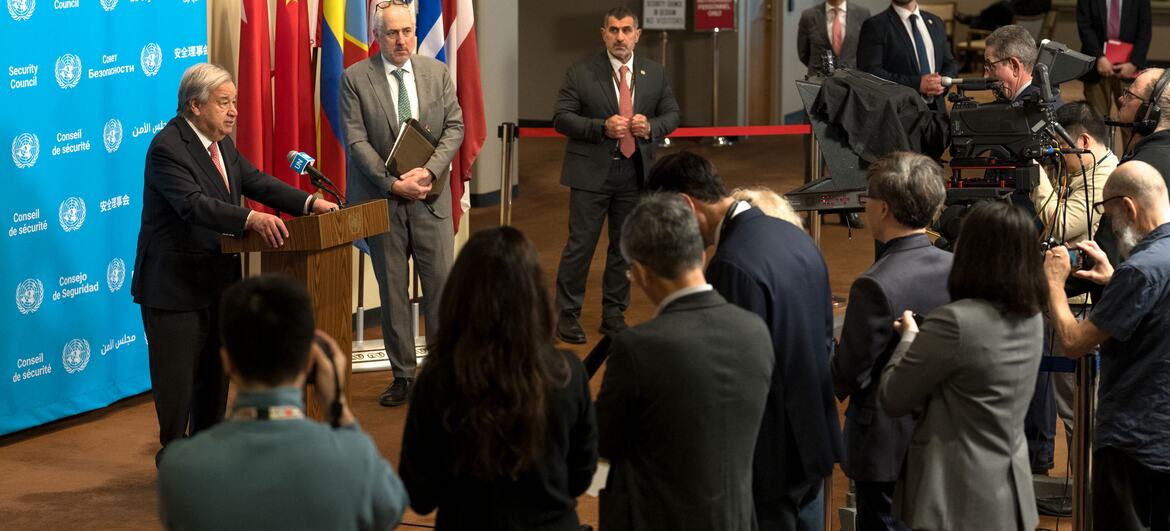
On April 2, 2026, UN Secretary-General António Guterres declared that the world was on the brink of a major war amid the crisis in the Middle East, which had been ongoing for two months. According to him, the scale of destruction was growing, and the consequences of the conflict were being felt far beyond the region, according to the UN press service.
Speaking to the press at UN headquarters in New York, Guterres emphasized that the conflict is already impacting the global economy and people's daily lives. He noted that the erosion of freedom of navigation is leading to rising food and fuel prices, which is already being felt in countries such as the Philippines, Sri Lanka, and Mozambique, as well as other parts of the world.
The Secretary-General said he was maintaining close contacts with all parties to the conflict and was sending his personal envoy, Jean Arnault, to the region to facilitate diplomatic efforts to find a peaceful solution to the crisis.
He called on the United States and Israel to cease military action, and on Iran to cease attacks on neighboring countries. He said conflicts don't just end on their own and only end when leaders choose dialogue over destruction. He emphasized that such a choice is still possible, but it must be made immediately.
The UN World Food Programme stated that disruptions to supplies through the Strait of Hormuz have caused a sharp rise in food prices worldwide. Experts estimate that if the crisis continues, the number of people facing acute food insecurity could increase by 45 million, reaching 363 million this year.
It also notes that the organization is unable to fully carry out humanitarian operations due to disruptions in supply routes through the Strait of Hormuz. Approximately 70,000 tons of food remain on ships that are unable to leave ports.
World Trade Organization President Ngozi Okonjo-Iweala stated that global trade is in a deep crisis. According to her, governments are facing a combination of factors, including geopolitical tensions, the climate crisis, and rapid technological change. The situation has been exacerbated by the disruption of trade in energy, fertilizers, and chemicals as a result of the war in Iran.
She also noted that while open trade has helped lift some 1.5 billion people out of extreme poverty in recent decades, the African continent has not benefited sufficiently from it.
The World Health Organization has warned of a worsening epidemiological situation in the Middle East. According to the WHO, the region is experiencing an increase in infectious diseases, including influenza, chickenpox, and respiratory illnesses.
WHO Regional Director for the Eastern Mediterranean, Hanan Balkhi, stated that the war has affected nearly two dozen countries, making the population particularly vulnerable to epidemics. The organization's situation reports also note the significant strain on medical facilities in Iran and Lebanon.