Translated with AI

































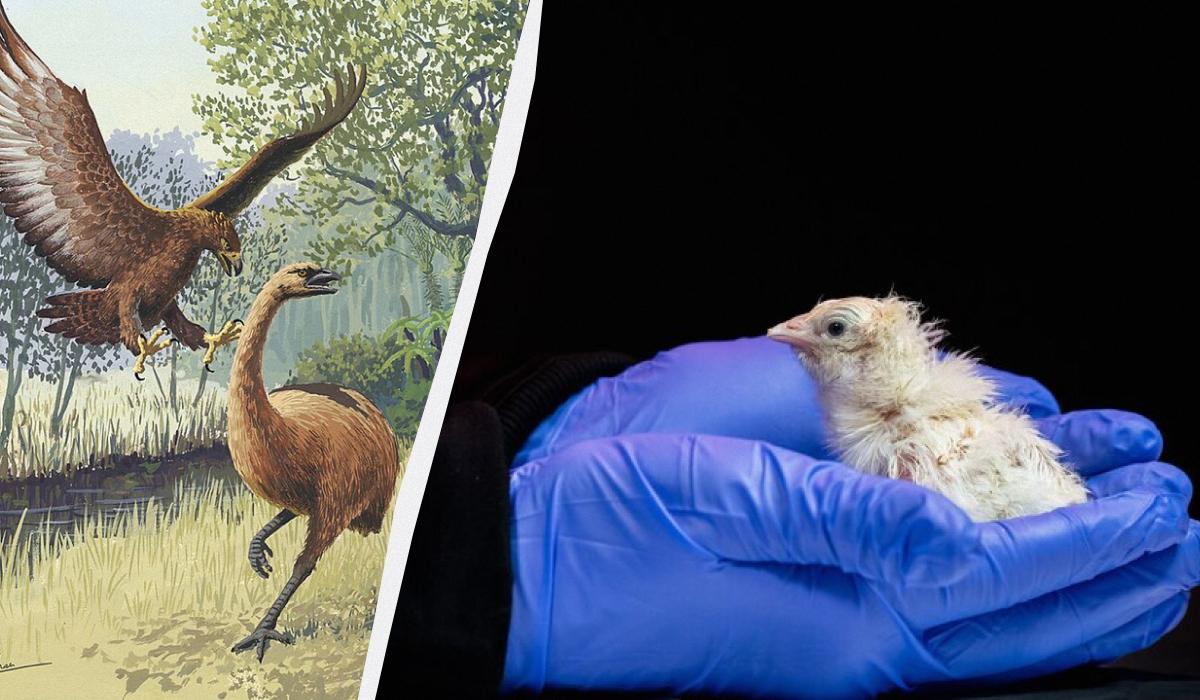
American biotechnology company Colossal Biosciences has announced a new stage in its project to "resurrect" the giant moa bird, which became extinct about 500 years ago.
Scientists have announced that they have successfully raised and hatched 26 chicks using artificial eggs developed in a laboratory, National Geographic reports.
Moas are considered among the largest birds to have ever lived on Earth. According to researchers, they grew to over three and a half meters in height. Moa eggs were approximately eight times larger than those of the emu, the extinct species' closest living relative.
Due to the large size of the eggs, the use of live birds as surrogate mothers for the project was not possible.
The company said it had developed a synthetic shell that it said could be a key step toward de-extinction of extinct species, including the giant moa of New Zealand and the dodo of Mauritius.
On May 19, the company announced the birth of 26 healthy chicks using the Colossal artificial egg system.
The developed technology consists of an artificial shell with a silicone membrane that functions like a real eggshell. It ensures oxygen and moisture exchange, maintains the embryo's temperature, and supports its development.
The company claims the technology can be scaled up to hatch extinct species from larger eggs.
This isn't the first time Colossal Biosciences has found itself in the media spotlight. Last year, the company announced the birth of three white puppies genetically modified to resemble extinct direwolves.
However, as National Geographic notes, the report was published without a peer-reviewed scientific article and without publicly available data that could be analyzed by other scientists.