Translated with AI























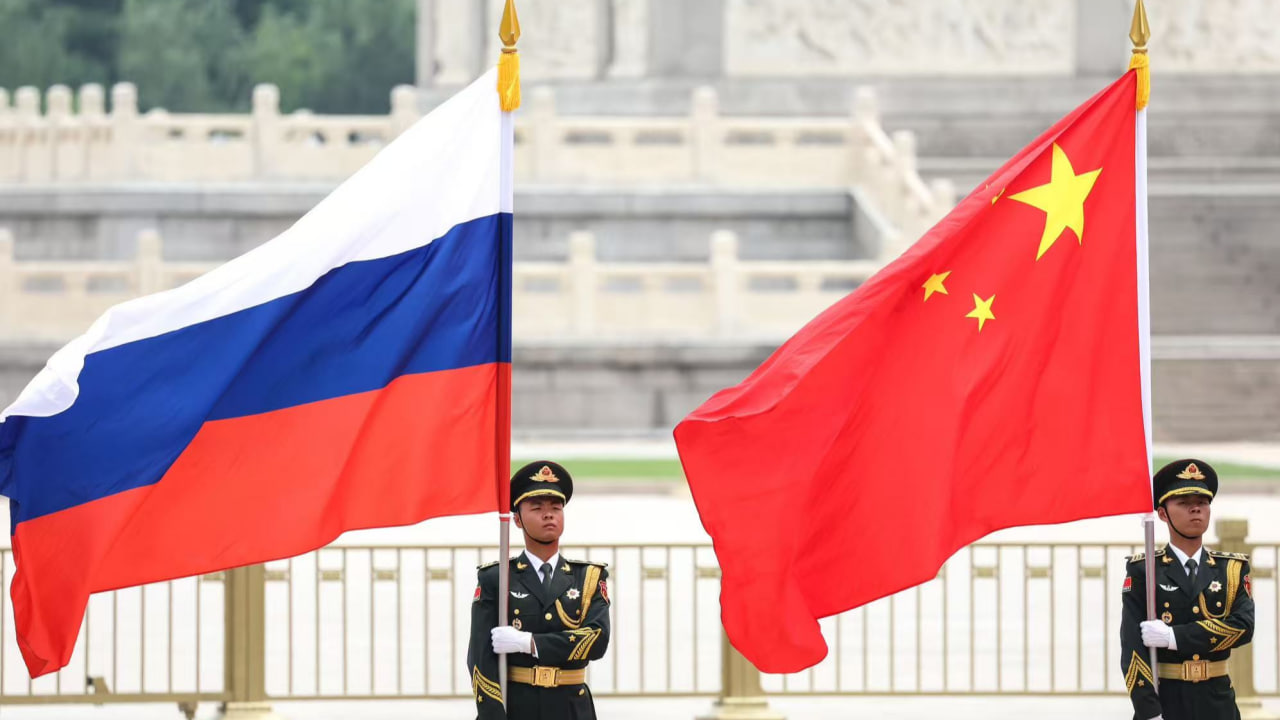
In the modern world, Chinese-Russian relations are considered the most stable, mature, and strategically valuable among major power relations. Over time, China and Russia have developed a broad range of shared interests, and the two countries' shared development goals largely coincide.
Why have Chinese-Russian relations remained at a high level for thirty years?
The main reason is that the development of relations between China and Russia is not based on so-called common strategic needs or any particular ideology, but rather corresponds to the spirit of the times and the shared aspirations of the peoples of both countries. The strategic needs and ideological positions of any state may change, but bilateral relations, built on the spirit of purpose and the aspirations of the peoples, are in themselves a natural product of their time.
Historically, relations between China and Russia have been built on the principles of equality, mutual respect, and mutual benefit from the outset. The two sides have developed practical cooperation on an equal footing, fostered a high level of political trust, and consistently provided firm support to each other on issues affecting the core interests of both countries.
From a practical standpoint, China and Russia do not form political or military blocs, and their cooperation is not directed against third countries, which fundamentally rules out confrontation between the camps. As full-fledged sovereign and independent major powers, bilateral relations and cooperation between China and Russia are in no way susceptible to third-party influence.
At its core, Sino-Russian relations are a comprehensive strategic partnership and cooperation in a new era. This model of relations between major powers goes beyond traditional political and military alliances. Its core principles are "non-alignment with blocs, non-confrontation, and non-targeting of third parties," making them deeper and more enduring than alliances.
Thus, China and Russia have already successfully found the right path for interaction between neighboring major powers.
Ⅱ
This is Russian President Vladimir Putin's 25th visit to China. As the current leader, he also holds the record for the most visits to China alone.
The leaders of the two countries maintain close contacts. China and Russia have long established a practice of annual reciprocal visits between their heads of state, as well as mechanisms for regular meetings between the heads of government of China and Russia, an interparliamentary commission on cooperation between the Federal Assembly of the Russian Federation and the National People's Congress of China, and mechanisms for cooperation in energy, investment, humanitarian exchanges, trade, interregional relations, and other areas.
On the eve of his official visit to Beijing, Russian President Vladimir Putin delivered a video address to the citizens of the People's Republic of China, in which he praised the Treaty of Good-Neighborliness, Friendship, and Cooperation between Russia and China, signed 25 years ago. The very fact of making a separate video address before a visit to China was unprecedented.
According to China Media Group, the Russian delegation that arrived on this state visit was quite impressive: it included five deputy prime ministers and eight ministers. Approximately 40 bilateral cooperation documents were signed, covering virtually all areas of bilateral cooperation, and a joint declaration was issued aimed at further deepening the comprehensive strategic partnership between the two countries.
According to the joint declaration, China and Russia will continue to jointly promote the construction of a multipolar world, strengthen close cooperation within the UN, SCO and BRICS, firmly safeguard the UN-centred international system, enhance the SCO's international influence, invite more partner countries to participate in BRICS cooperation, and promote close ties between BRICS countries and other developing countries.
Furthermore, China and Russia will carry out constructive cooperation within international frameworks such as the G20 and APEC, enhance the role and voice of developing countries in the global governance system, strengthen solidarity among countries in the Global South, and promote an equitable and orderly multipolar world and an inclusive and accessible economic globalization.
Within the framework of bilateral cooperation, China and Russia will continue to deepen investment cooperation, strengthen the comprehensive energy partnership, enhance financial cooperation, improve cross-border infrastructure, and expand practical cooperation in areas such as high technology, urban development, healthcare, ecology, and environmental protection. At the same time, the two sides intend to expand youth exchanges and strengthen cooperation in education, culture, tourism, media, broadcasting, cinema, and sports.
Ⅲ
Sino-Russian cooperation has already gone beyond bilateral relations, becoming of global significance and will have a significant impact on the formation of the future world order.
First, it contributes to the development of a more just and rational system of global governance.
As world powers and permanent members of the UN Security Council, China and Russia firmly uphold the international order established after World War II, defend the UN-centered international system, and jointly strive to promote a multipolar world and democratize international relations.
Both sides strictly adhere to the principles of "non-alignment, non-confrontation, and non-targeting of third parties," rejecting "Cold War thinking," and opposing bloc confrontation. Furthermore, China and Russia intend to coordinate their actions to counter unilateral sanctions within multilateral mechanisms.
Against a backdrop of growing global instability, strategic cooperation between China and Russia will become a key pillar of stability in the Eurasian region and will enable us to effectively counter the challenges posed by the collapse of the global security system.
Secondly, it promotes the joint development of emerging market and developing countries.
One of the most important pillars of Chinese-Russian relations is cooperation in energy, economics, and trade. Strengthening cooperation between the two countries in trade and infrastructure connectivity directly impacts the stability of international energy supplies and the resilience of production chains, which underpins the inclusive transformation of economic globalization.
Currently, both sides are actively promoting the alignment of China's Belt and Road Initiative with the EAEU development strategy, and, relying on the SCO and BRICS platforms, are assisting emerging market and developing countries in strengthening their role in global governance.
Thirdly, it became an example for building a new type of relations between major powers in the new era.
There is no doubt that relations between China and Russia have already transcended traditional alliances and have formed a model of international cooperation based on equality and mutual benefit. Based on the principles of equality, mutual trust, non-alignment, and disregard for external influence, China and Russia have become a shining example of a new type of relationship between major powers and serve as a practical model for creating a community with a shared future for all humanity.
China and Russia jointly advocate a new paradigm of multipolar governance, which provides practical guidance on global governance and ensures sustainable public goods for the creation of a multipolar world.
Innocent Huang, CGTN's special commentator and political and international affairs analyst, expresses his personal opinions and does not necessarily reflect CGTN's editorial policy.