Translated with AI





















The World Health Organization has declared a public health emergency of international concern over the Bundibugyo virus outbreak in the Democratic Republic of Congo and Uganda.
The decision was made by WHO Director-General Tedros Adhanom Ghebreyesus in accordance with the International Health Regulations amid concerns that the outbreak could develop into a major regional crisis and spiral out of control.
According to the organization, as of May 16, 2026, eight laboratory-confirmed cases, 246 suspected cases, and 80 presumed deaths have been reported in the eastern province of Ituri in the Democratic Republic of the Congo. A new suspected outbreak has also been reported in the neighboring province of North Kivu.
International concern was heightened by the confirmation of two cases in Kampala, Uganda, among travelers arriving from the Democratic Republic of the Congo. One of the cases died. Another confirmed case was identified in Kinshasa, more than two thousand kilometers from the main outbreak site.
The WHO statement emphasized that the outbreak poses a high risk to international public health, although it does not yet meet the criteria for a global pandemic.
The organization noted a number of factors contributing to the deteriorating situation. These include ongoing instability in eastern Democratic Republic of Congo, the humanitarian crisis, high population density in certain areas, and the presence of a vast network of informal health facilities, which complicates the identification and monitoring of cases.
The WHO also warns that high population mobility and active cross-border trade could contribute to the further spread of the virus.
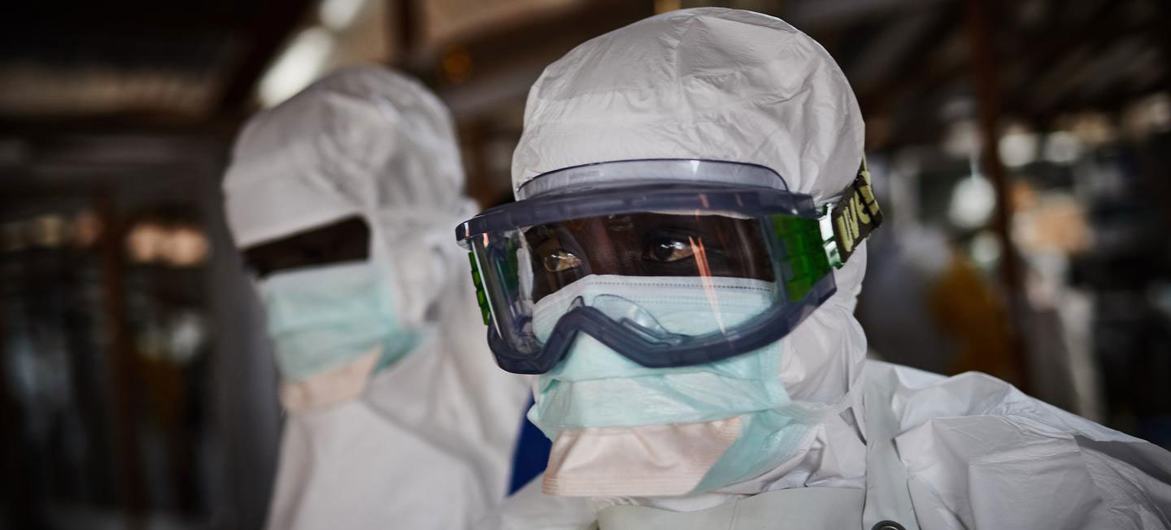
The organization is particularly concerned about cases of infection among healthcare workers. At least four deaths of healthcare workers with symptoms consistent with viral hemorrhagic fever have been reported. According to the WHO, this indicates serious shortcomings in infection prevention and control systems, including a shortage of personal protective equipment and inadequate staff training.
Of additional concern is the lack of an approved vaccine or specific treatment for the Bundibugyo strain. Unlike the more well-studied Zaire strain, this variant remains less well-studied.
The WHO called on authorities in the Democratic Republic of the Congo and Uganda to urgently strengthen epidemiological surveillance, contact tracing, expand laboratory capacity, and ensure the isolation of suspected cases. The organization also called for intensified public information campaigns.
However, the WHO does not recommend closing borders or halting international trade. The organization warned that such measures could lead to increased illegal movement and further spread of the infection.
Ebola is accompanied by symptoms such as high fever, vomiting, diarrhea and bleeding.