Translated with AI




















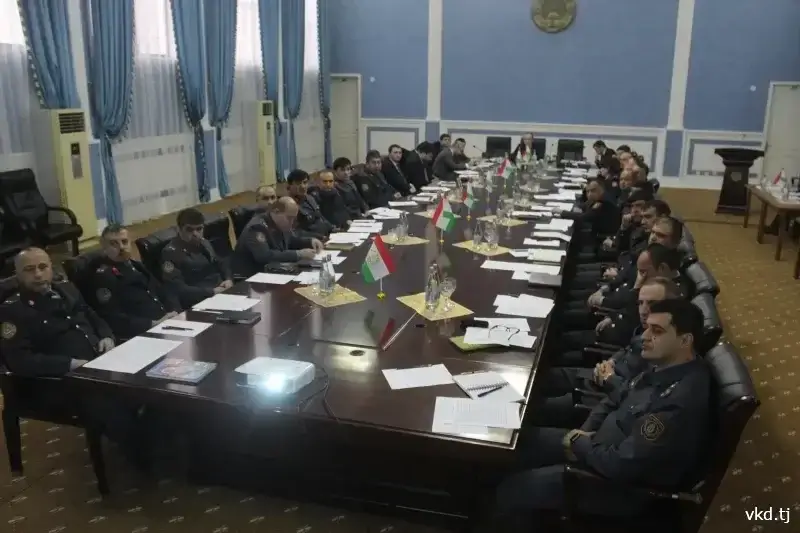
On February 13, the working group of the Interdepartmental Commission on Combating Human Trafficking under the Government of the Republic of Tajikistan held a training seminar in Khujand as part of measures to implement the state policy of the Republic of Tajikistan to protect human rights and freedoms and prevent international crimes such as human trafficking, terrorism and extremism, drug trafficking, and illegal migration. This was reported by the press service of the Ministry of Internal Affairs of the Republic of Tajikistan.
The event was designed for law enforcement investigators. Its primary goal was to enhance their professional knowledge and skills, strengthen interagency cooperation, and improve the effective application of national and international legislation in this area.
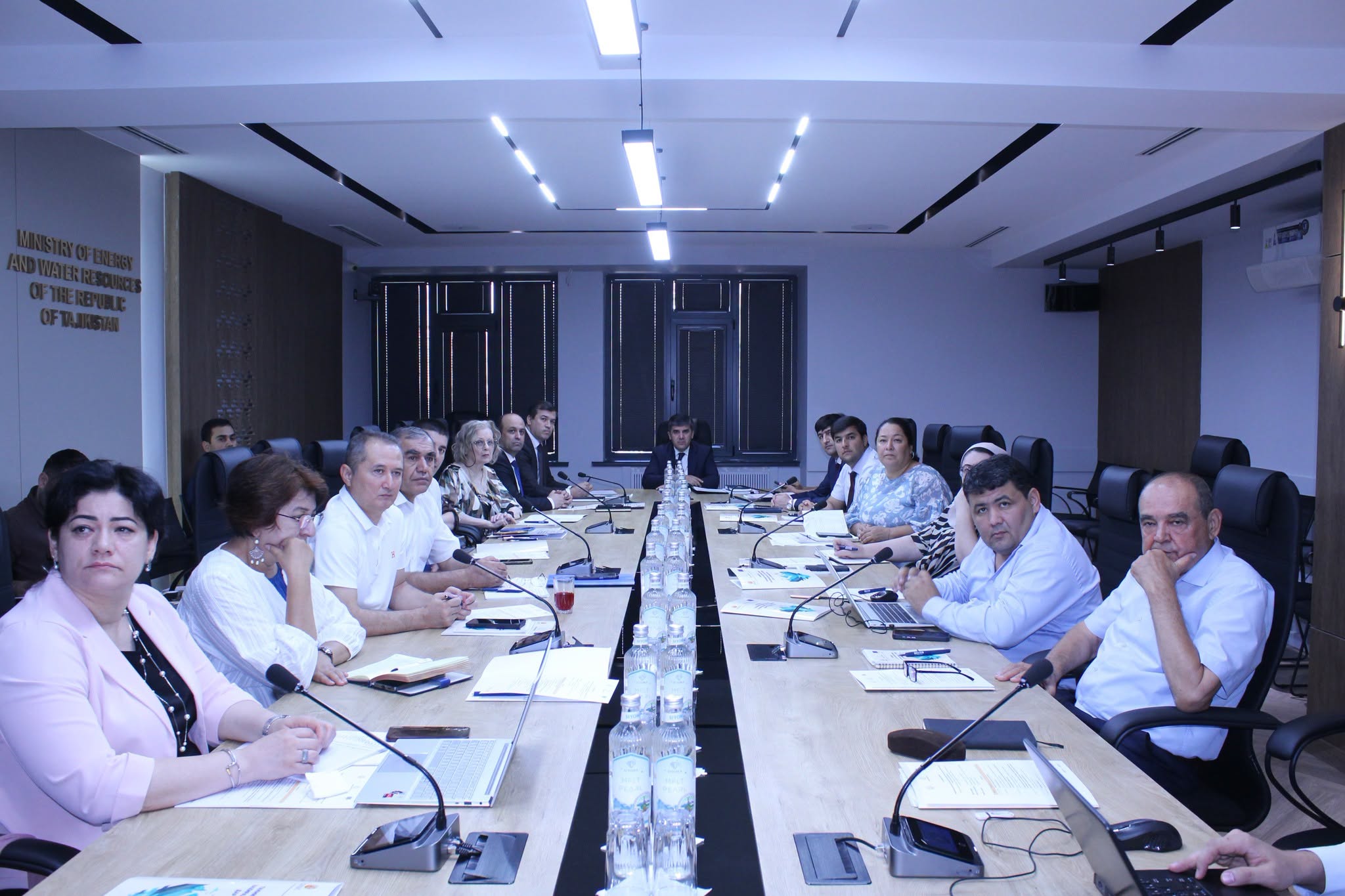
The seminar was attended by investigators from the Prosecutor's Office, the Internal Affairs Department, the State Committee for National Security, the Drug Control Agency under the President of the Republic of Tajikistan, and the Customs Service for the Sughd Region, its cities, and districts. Representatives of the International Organization for Migration, academics and specialists from the Tajik National University, the Tajik State University of Law, Business, and Politics, and law enforcement officials also participated.
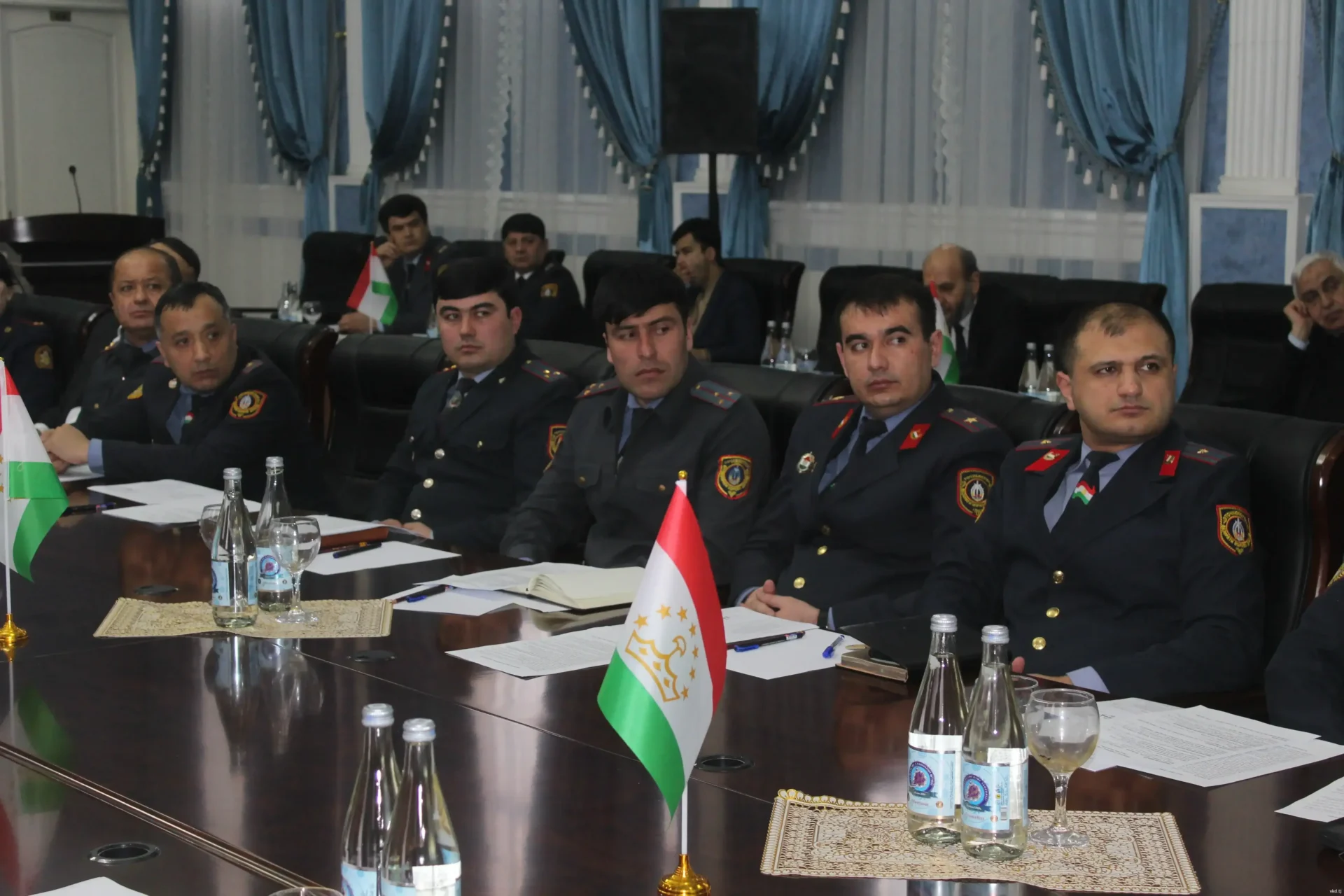
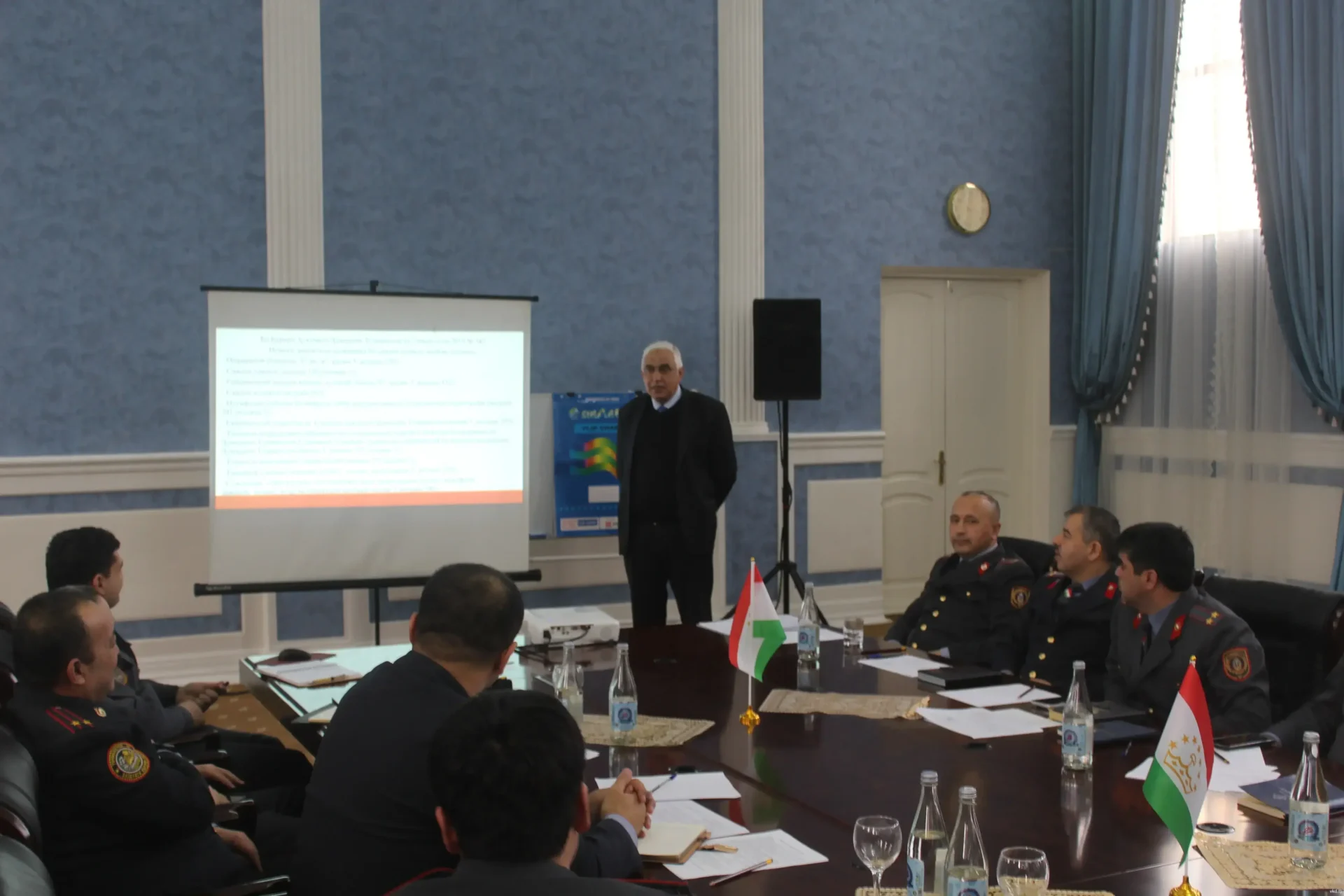
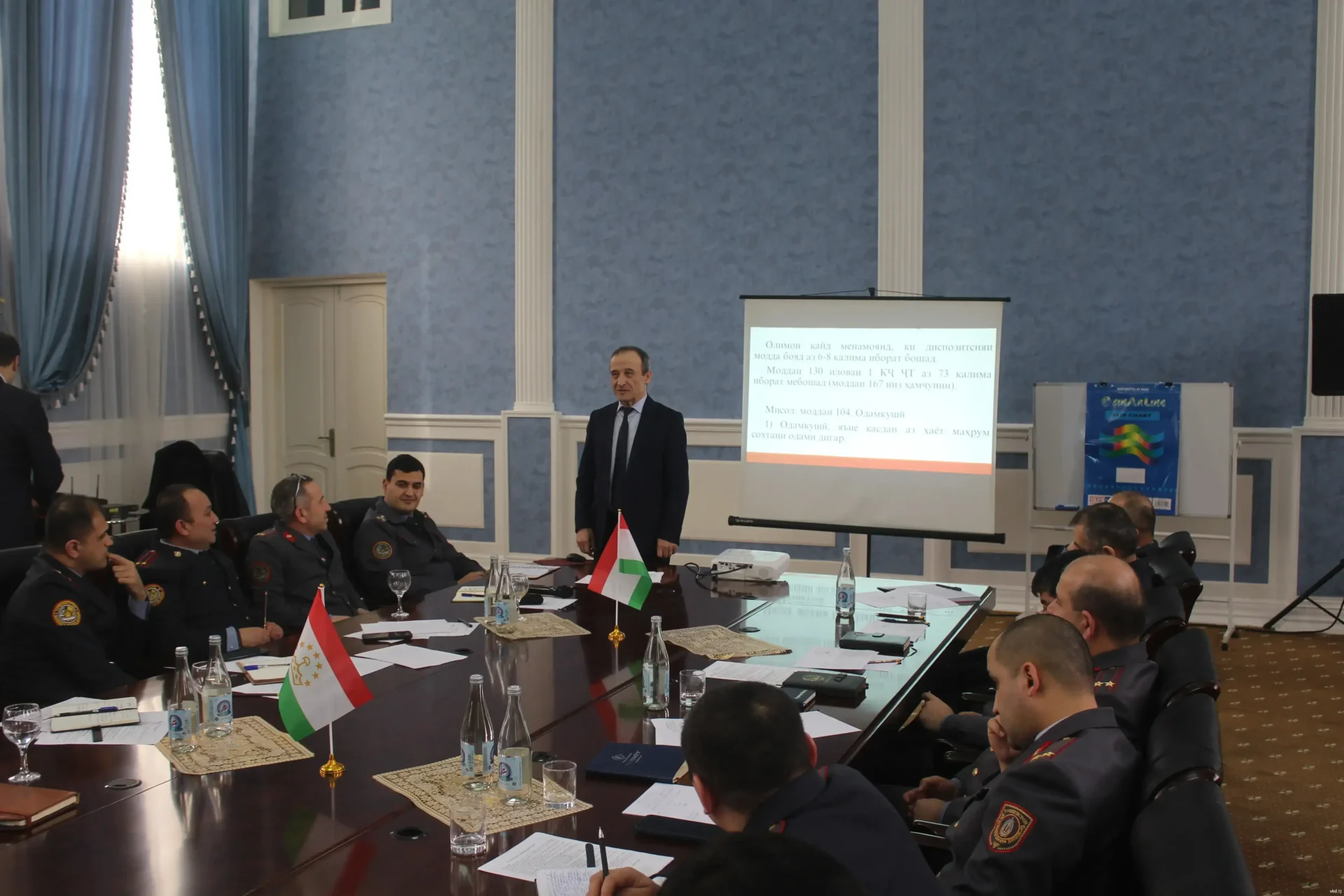
The seminar featured scientific and analytical reports on the differences between human trafficking and the organization of illegal migration, the classification of crimes related to human trafficking, investigative experience in this area, methods for identifying victims of human trafficking, and ways to communicate with them.
The speakers examined the challenges of identifying and investigating such crimes and explained modern methods and techniques for combating them. It was emphasized that in the modern world, human trafficking, along with terrorism, extremism, and drug trafficking, is one of the most serious global threats and is recognized as a particularly serious crime that violates human rights and freedoms. It was noted that this phenomenon negatively impacts national security and the socioeconomic stability of states.
Participants emphasized that in the Republic of Tajikistan, personal inviolability is guaranteed by the state, and in accordance with Article 18 of the Constitution, no one may be subjected to torture, punishment, or inhuman treatment. This constitutional provision is crucial as the legal basis for protecting human dignity and freedom in the fight against human trafficking.
During the discussion, investigators asked questions about practical challenges and received industry-specific recommendations from experts. It was noted that strengthening cooperation between law enforcement agencies, improving professional skills, and leveraging international experience are paramount to increasing the effectiveness of the fight against these types of crimes.
Let us recall that this seminar is one of the sections of the National Plan to Combat Human Trafficking for 2025–2027, adopted by the Decree of the Government of the Republic of Tajikistan.