Translated with AI

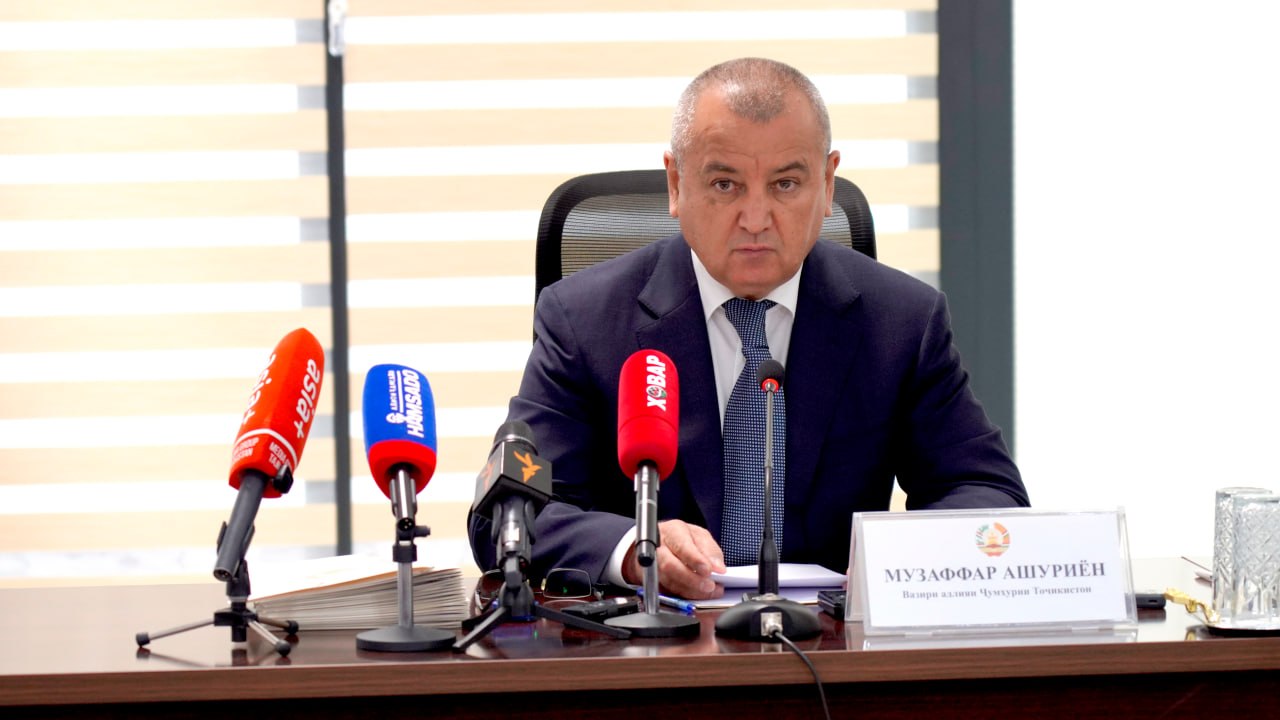

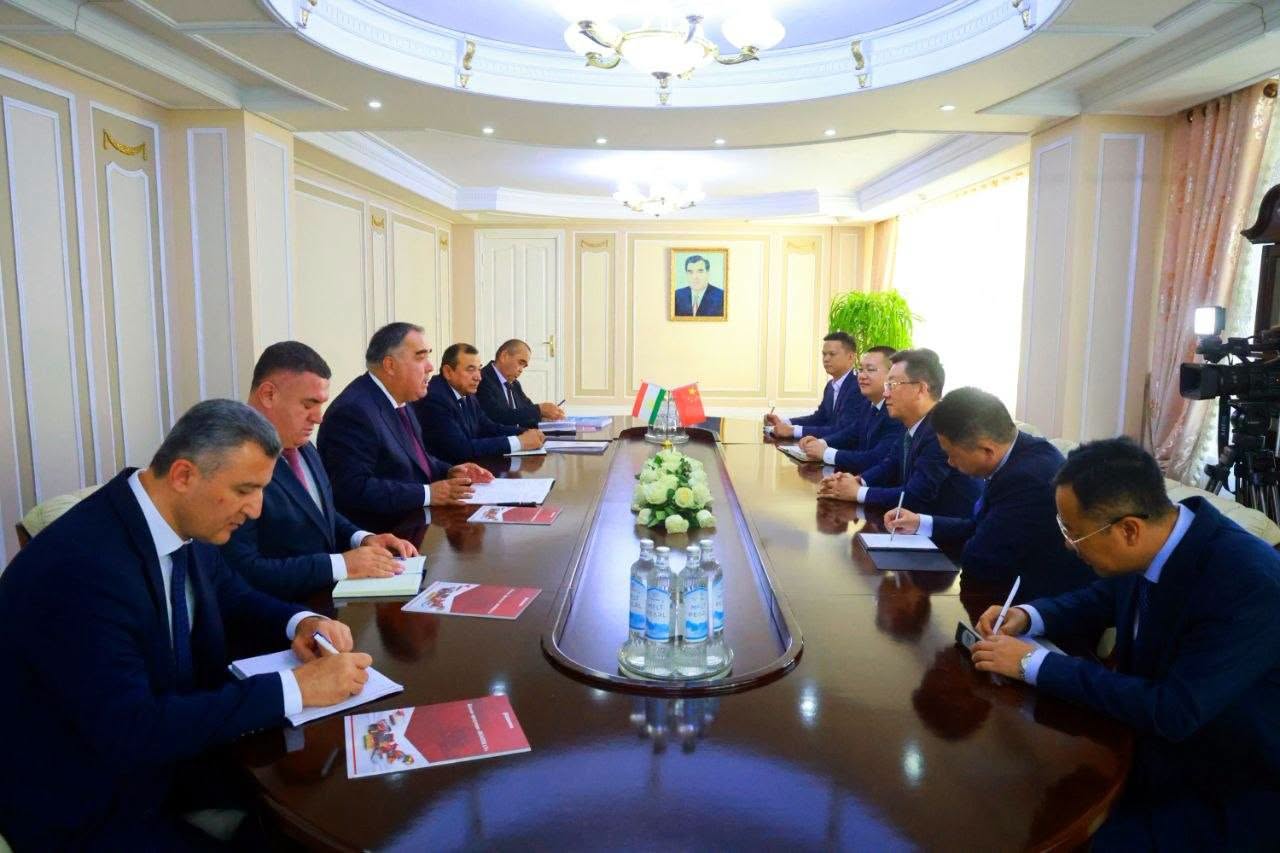

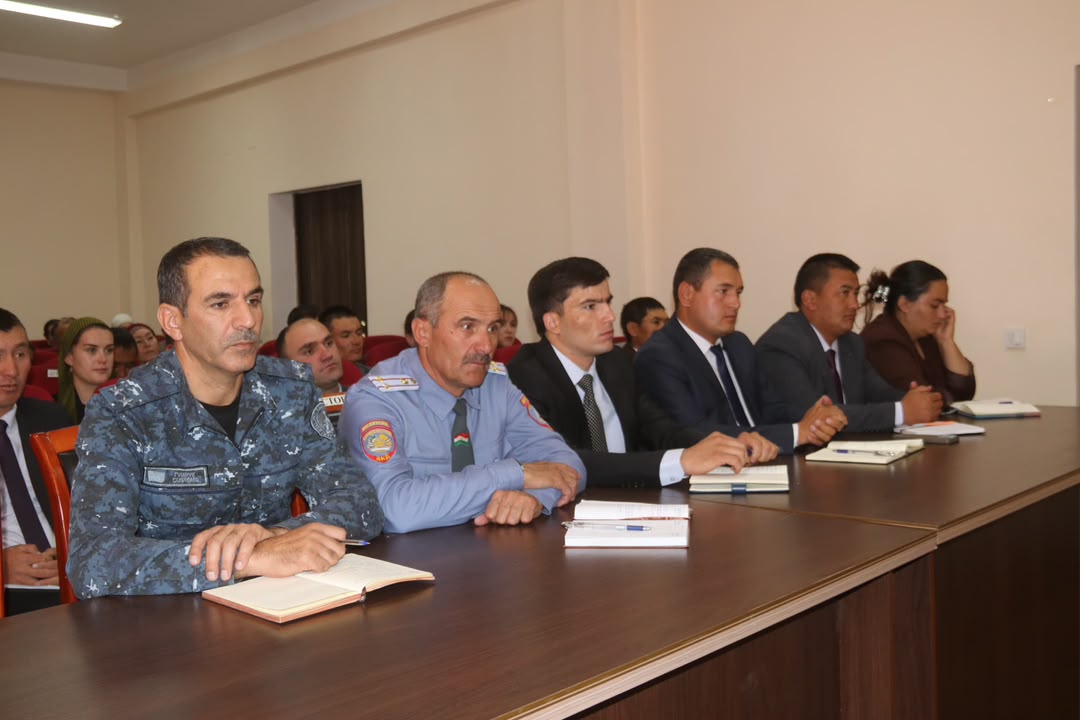
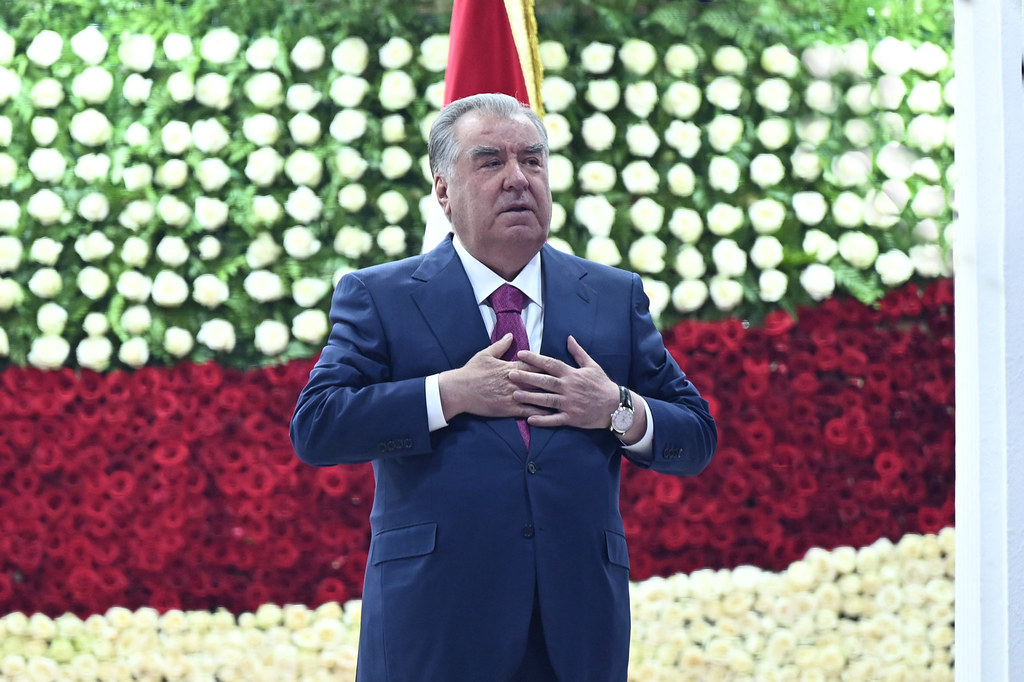




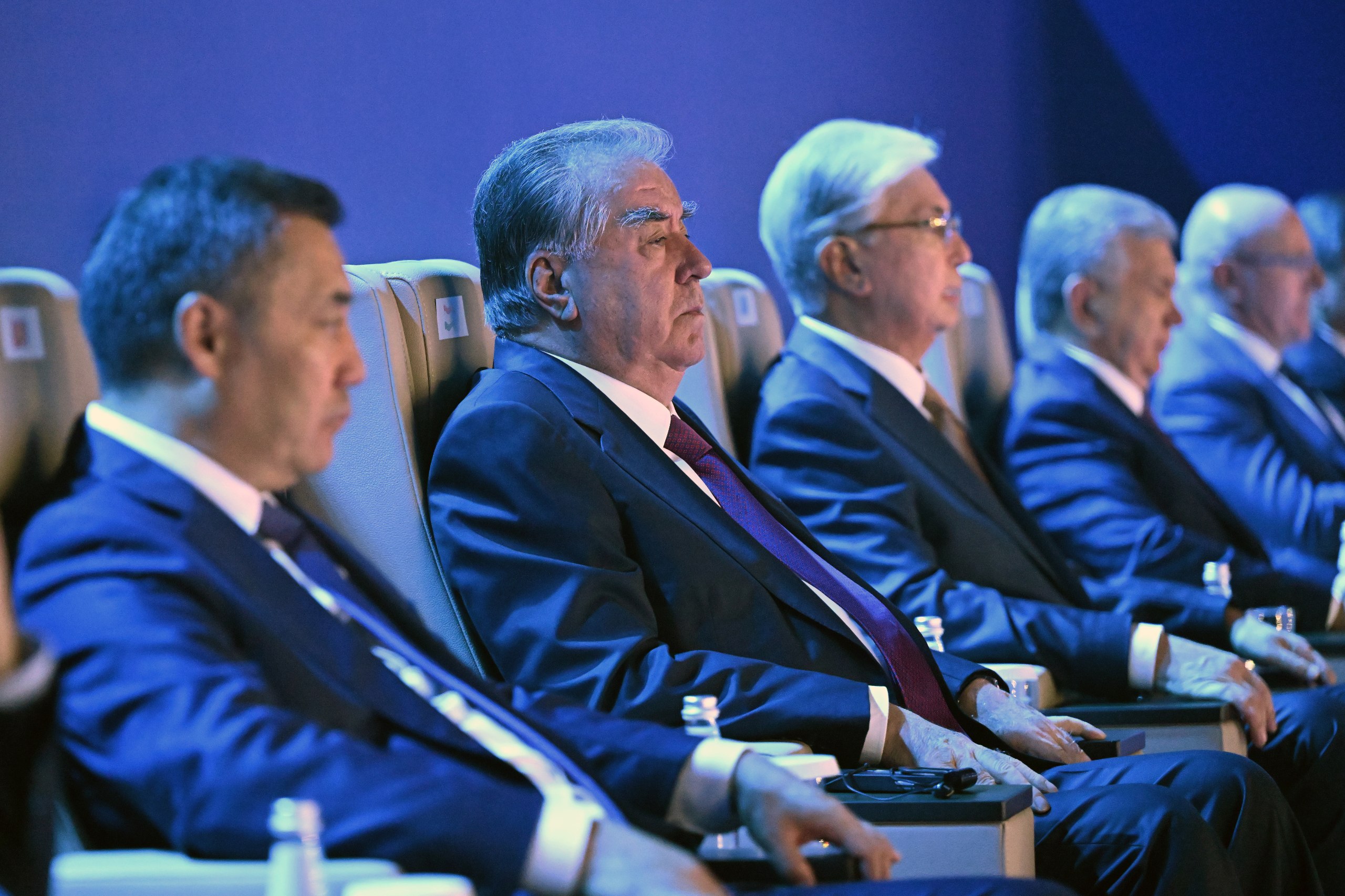






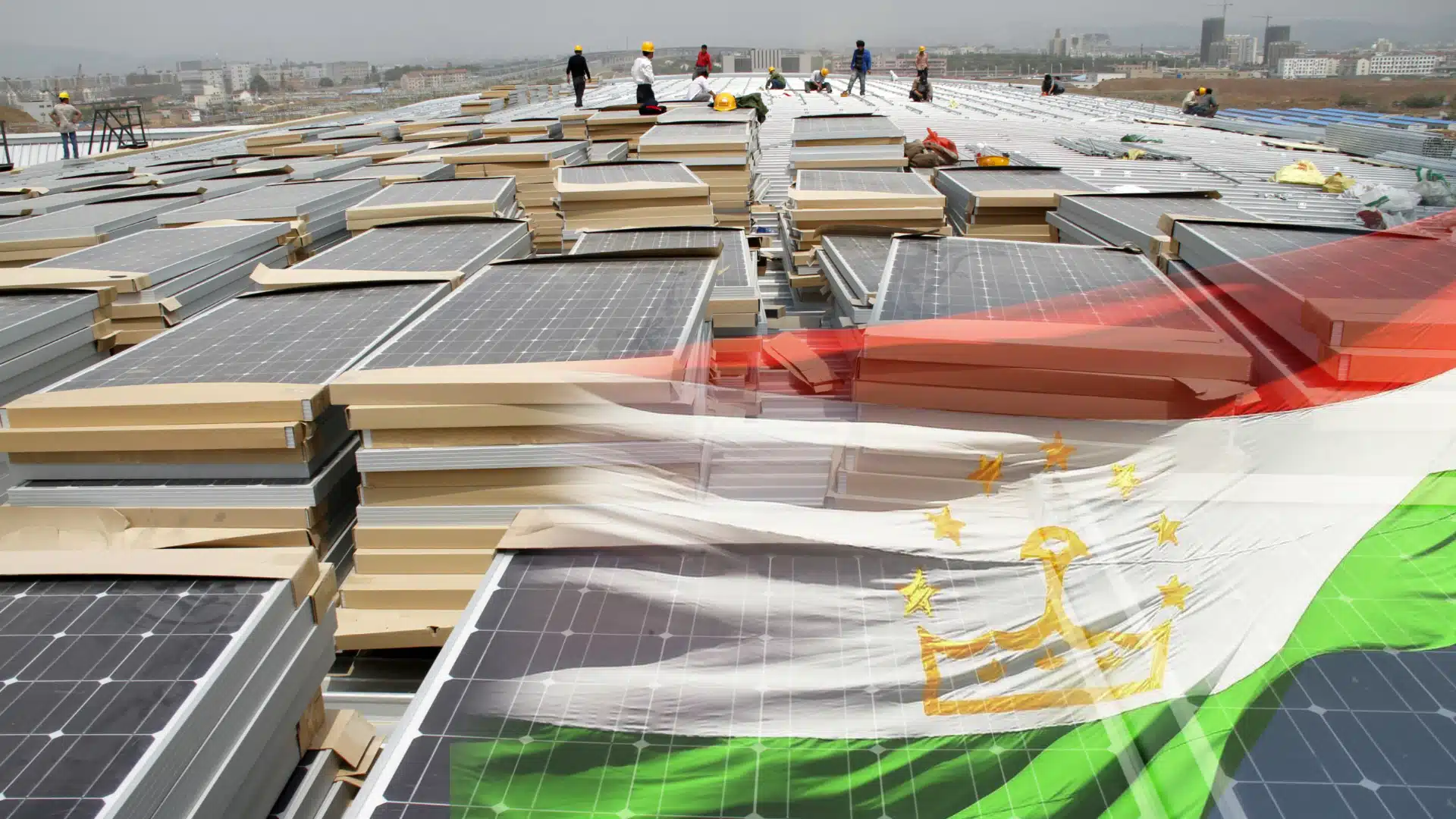
Tajik President Emomali Rahmon has ordered the installation of solar panels in the country's homes. This issue was discussed at a government meeting where the electricity sector development program for 2026–2030 was discussed, according to the presidential press service.
According to the program, Tajikistan plans to commission over 4,000 MW of new energy capacity by 2030. It is anticipated that these targets will be achieved through the construction of hydroelectric power plants and solar power plants.
Minister of Energy and Water Resources Daler Juma presented a report on the program's implementation. The project was developed to ensure energy security and efficient use of electricity, which is one of the key objectives of Tajikistan's National Development Strategy.
According to the ministry, the program is expected to result in the commissioning of 2,680 MW of new capacity through the construction of hydroelectric power plants, 253 MW of additional capacity through the modernization of existing facilities, the restoration of 440 MW of lost capacity, and the generation of 1,500 MW of solar energy. Furthermore, it is envisaged to reduce electricity losses in transmission networks to 3%, in distribution networks to 9%, and increase electricity exports to 5 billion kWh.
President Emomali Rahmon instructed ministries, departments, and executive bodies of state power in regions, cities, and districts to take appropriate measures to implement this Program and its action plan, and to provide annual information on the results achieved.
An order was also given to study the issue of installing solar panels on residential buildings and integrating them with the country's electrical grid.
In addition, it was emphasized that the culture of energy-efficient use should be widely promoted among the population.
The Ministry of Energy also notes that approximately 98% of Tajikistan's electricity is generated by hydroelectric power plants. At the same time, the country continues to develop projects to build solar and wind power plants. The country's hydroelectric potential is estimated at over 527 billion kWh per year, significantly exceeding the combined needs of Central Asia.