Translated with AI




























Russian authorities continue to torture and cruelly treat civilians in the occupied territories of Ukraine, according to a special report by the UN Human Rights Office (OHCHR), released on September 23. The document is based on data from the UN monitoring mission, which has been operating in Ukraine since 2014.
According to the mission, people in the occupied territories are being arbitrarily detained on the streets, charged on shifting legal grounds, and held for extended periods, with limited contact with their families. It was not possible to establish the exact number of Ukrainians detained from the start of the full-scale war between February 2022 and August 2025; estimates range from 1,800 to 15,250.
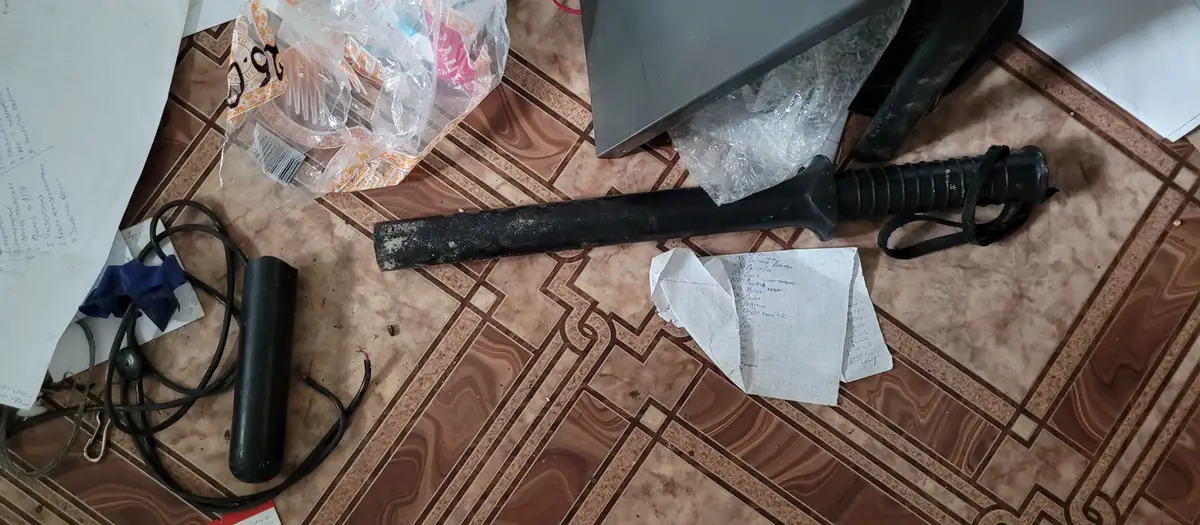
During an analysis of 508 cases of detention of civilians by Russian authorities, researchers personally interviewed 216 released individuals. Ninety-two percent of respondents confirmed torture and ill-treatment. These included beatings with batons and sticks, electric shocks to various parts of the body, mock executions, forced stress positions, prolonged kneeling, death threats, humiliation, and sexual violence. Forty-nine men, 25 women, and one child were subjected to acts of sexual violence, including rape and electric shocks to the genitals.
The main purpose of torture is to extract confessions for cooperation with Ukrainian authorities or information about other citizens. So-called "welcome beatings," used immediately upon arrival at prisons or penal colonies, are particularly noted.
From June 2023 to August 2025, 15 civilian deaths were recorded in Russian custody, including four extrajudicial executions. Among the victims were journalist Viktoria Roshchina and Rustem Virati, a taxi driver from the Kherson region.
The geography of torture is expanding: the number of facilities for detaining Ukrainian civilians in Russia has doubled since the previous report, to 73, while the number in the occupied territories has decreased. This indicates a mass deportation of civilians from the occupied territories to the Russian Federation, which is a violation of international humanitarian law.
The report also notes that the frequent transfer of prisoners creates additional difficulties for relatives to locate them. In some cases, families were unaware of the fate of their loved ones for months. An example is the case of a married couple from Melitopol, detained in September 2023: the woman was found in a coma only in February 2024 and died three months later, while the husband's fate remains unknown.
In addition to Russian prisons, the OHCHR documents cases of human rights violations in Ukrainian prisons. As of July 21, 2025, 2,258 individuals accused of treason or collaboration were held in official Ukrainian institutions. Experts note that access to these prisoners is granted regularly, but instances of threats and pressure during the signing of prisoner exchange agreements have been recorded, raising doubts about the voluntariness of such actions.
The report emphasizes that the international community must pay attention to the systematic human rights violations in the occupied territories, as well as the need for independent investigations and holding those responsible to account.