Translated with AI

























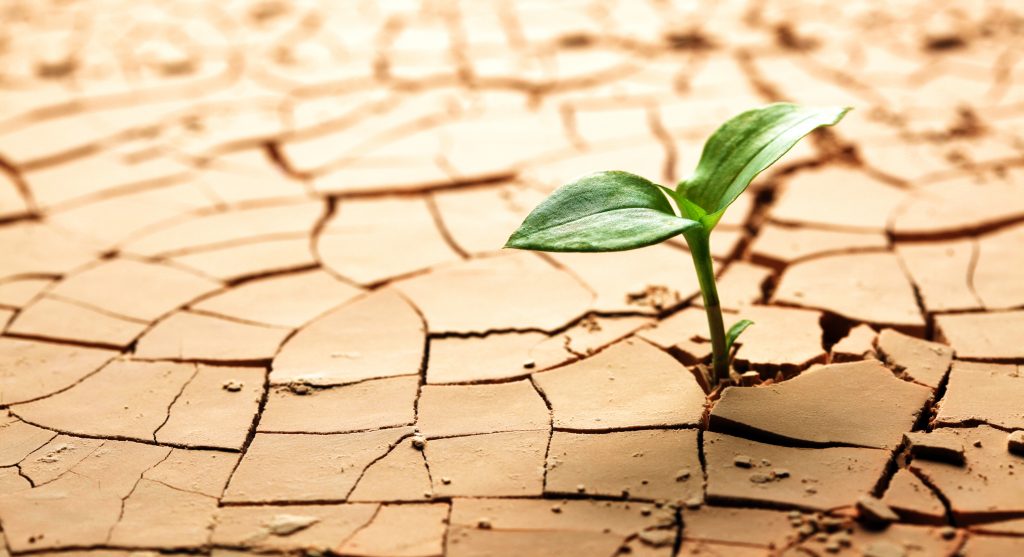
Climate change and increasing pressure on land and water resources will cause the world to experience some of the largest and most destructive droughts on record from 2023 onwards, according to a new UN-backed report.
The Global Drought Hotspots 2023-2025 report provides a comprehensive analysis of how drought exacerbates poverty, hunger, energy insecurity and ecosystem degradation.
"Drought is a silent killer. It creeps up on us, depletes resources and destroys lives in slow motion. Its scars remain for a long time," said Ibrahim Thiaw, head of the Secretariat of the UN Convention to Combat Desertification.
Drought hotspots
The document was prepared by the US National Drought Mitigation Center and the Secretariat of the UN Convention to Combat Desertification, with support from the International Drought Resilience Alliance. The World Meteorological Organization (WMO) is an active partner of the alliance. WMO has long called for proactive measures to combat drought, rather than the prevailing approach of reacting to a crisis once it has occurred.
The report synthesizes information from hundreds of official sources, scientific publications and media to highlight the regions most severely affected by droughts.
Africa
More than 90 million people in eastern and southern Africa face acute food insecurity. Some areas are experiencing the worst droughts on record. Maize and wheat crops are failing in Ethiopia, Zimbabwe, Zambia and Malawi. In Zimbabwe alone, the 2024 maize harvest is down 70 percent from the previous year, and 9,000 livestock have died of thirst and hunger.
In Somalia, the government estimates that 43,000 people will die from drought-related famine in 2022. As of early 2025, 4.4 million people – a quarter of the population – are struggling to access food. Zambia is facing one of the world’s worst energy crises, with the Zambezi River falling to 20 percent of its average by April 2024.
Mediterranean
In Spain, drought has affected agriculture, tourism and water supplies. By September 2023, two years of drought and record heat had caused the olive harvest to fall by 50 percent, causing olive oil prices to double.
Meanwhile, in Morocco, sheep numbers have fallen by 38 percent by 2025 compared to 2016, prompting the country's king to call for the abolition of traditional sacrifices.
In Turkey, drought has accelerated groundwater depletion, causing sinkholes to form that pose a threat to populations and infrastructure.
Latin America
In the Amazon, record low river levels in 2023 and 2024 have led to mass fish kills and endangered dolphin deaths, as well as disrupted water supplies and transportation routes for hundreds of thousands of people. With deforestation and wildfires raging, the Amazon is at risk of turning from a carbon sink into a source of emissions.
The lowering of water levels in the Panama Canal has reduced its capacity by more than a third, from 38 to 24 ships per day between October 2023 and January 2024. This has caused major disruptions to global trade, including a slowdown in US soybean exports and shortages of fruit and vegetables in UK supermarkets.
Southeast Asia
Drought has disrupted production and logistics of key crops including rice, coffee, and sugar. In 2023–24, dry conditions in Thailand and India caused shortages that pushed up U.S. sugar and sugary prices by nearly 9 percent.
Women and children are among the hardest hit
Women, children, the elderly, herders, subsistence farmers and people with chronic diseases remain the most vulnerable to drought. Drought increases health risks, with cholera outbreaks, acute malnutrition, dehydration and unsafe water consumption on the rise.
In East Africa, forced child marriages have more than doubled as families struggle to survive on the money the groom’s family traditionally gives to the bride’s family. Despite an official ban in Ethiopia, such marriages have risen sharply in the four regions worst hit by drought. Girls are married off to collect dowries and reduce the family’s expenses for food and basic needs.
In Zimbabwe, entire school districts have faced mass exodus of students due to food shortages, inability to pay tuition fees and lack of sanitation, especially for girls.
In the Amazon basin, drought has disrupted the lives of remote rural and indigenous communities. In some areas, the Amazon River has reached historic lows, isolating residents – including pregnant women – and leaving entire communities without access to clean water.
Lessons and recommendations
The report calls for urgent investment to prepare for droughts. Recommendations include strengthening early warning systems and real-time monitoring of droughts and their impacts, including factors affecting food and water security.
Nature-based solutions, such as watershed restoration and traditional crops, are also needed. Experts recommend investing in resilient infrastructure, including off-grid energy and alternative water technologies, as well as gender-sensitive adaptation that protects the rights of women and girls. Global cooperation is needed to prepare for and combat droughts, especially in protecting transboundary river basins and key trade routes.