Translated with AI

































SUN Yao CGTN Russian Correspondent for China Media Corporation
China's participation in the 2026 Winter Olympics demonstrates China's growing competitiveness in winter sports.
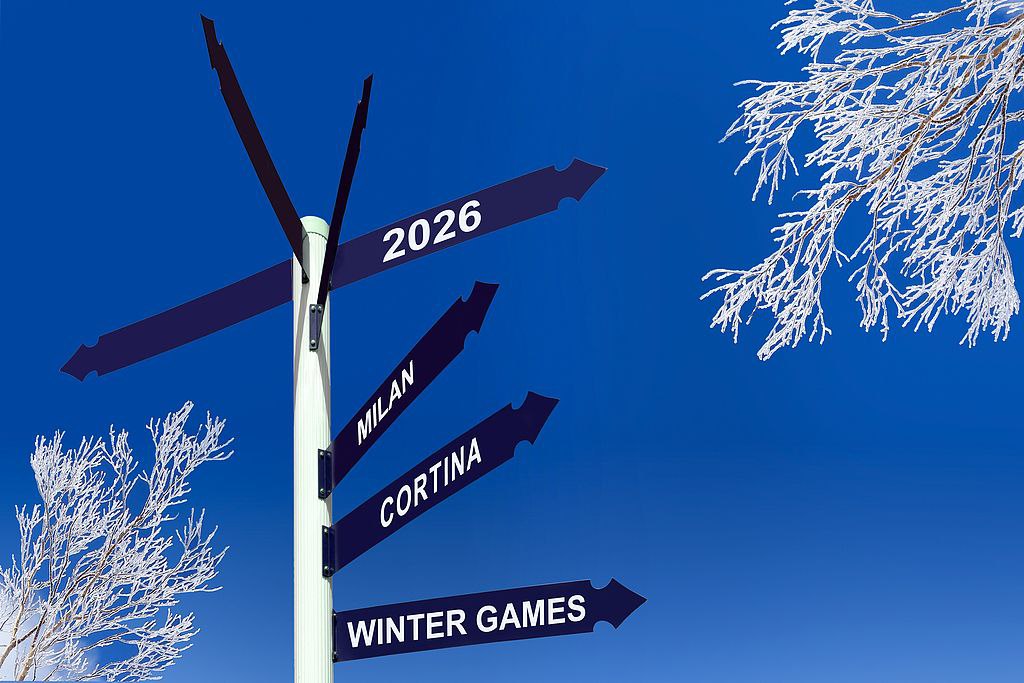
The global winter sporting event – the 2026 Olympic Games in Milan-Cortina d'Ampezzo – has begun, and the Chinese sports delegation has once again set out to pursue its dream, forming one of the largest and most prepared teams in its history.
Thanks to years of dedicated work, China is continuously developing and improving its winter sports training system and developing reserve athletes. For the current Winter Olympics, China fielded a national team of 124 athletes, including both experienced, renowned athletes and numerous young talents. The steady growth of Chinese winter sports clearly demonstrates that the country is becoming an active participant in and contributor to the development of the global winter sports movement.
Strategic leadership sets the course for winter sports development
The historic transformation of Chinese winter sports—from a niche activity to a mass phenomenon, from local development to widespread adoption—was made possible by a high level of planning and consistent implementation of specific measures.
Chinese President Xi Jinping's key messages, including the phrase "Ice and snow are also mountains of gold and silver," are grounded in reality and long-term. They set the course for the high-quality development of winter sports.
From the goal of popularizing winter sports in the country, set during the preparations for the Beijing Winter Olympics, to the clear identification of the ice and snow economy as a new growth area, China's consistent and targeted national policy has been formed and is being implemented.
The goal of attracting 300 million people to ice and snow sports has been achieved, and the virtuous cycle linking winter sports competitions, the promotion of winter sports, and the development of the ice and snow economy is gaining momentum.
Popular participation in winter sports strengthens the foundation for building a healthy China
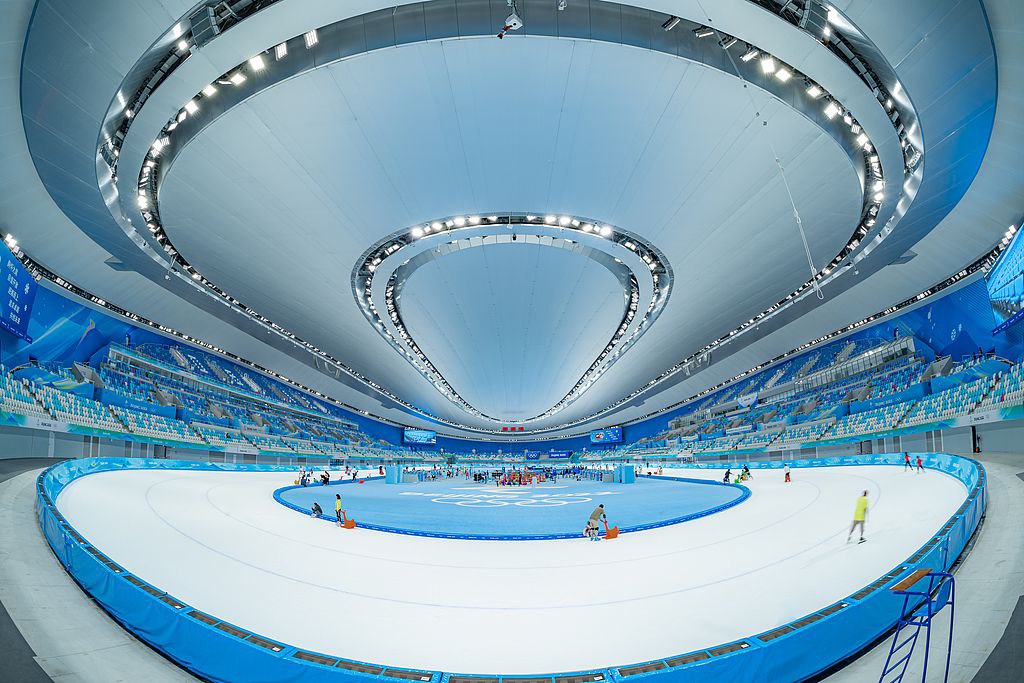
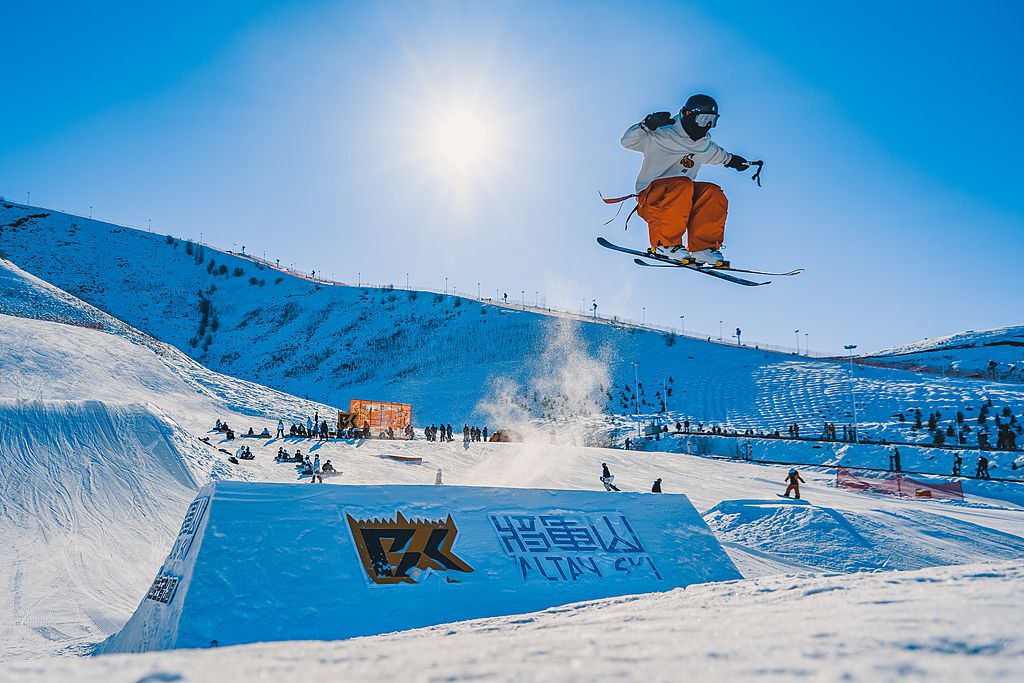
In recent years, China has systematically and multi-faceted lowered the barrier to entry for winter sports through comprehensive measures, including the construction of sports facilities and infrastructure, the holding of regular nationwide events like the National Winter Sports Season for the general public, the organization of school and community visits by Olympic champions, and the continued free opening of Beijing Olympic venues like the Ice Ribbon and Ice Cube to the public. As a result, winter sports have transformed from a spectacle into a tangible way of life.
Today, visiting skating rinks and ski resorts has become a voluntary choice for millions of Chinese in pursuit of health and happiness, strengthening the broad and solid social foundation for building a healthy China. During the 2025–2026 winter season, the number of domestic winter leisure trips in the country is expected to reach 360 million, generating $65 billion in revenue for the industry.
China's snow and ice boom is injecting new life into the economy.
High-level leadership and widespread public participation have fueled the rapid development of China's ice and snow economy. Previously undervalued "cold resources" now generate stable revenues in snow and ice sports, snow and ice equipment manufacturing, and snow and ice tourism.
A fully-fledged year-round industrial chain has emerged, spanning the north and south of the country, uniting city and village, and including the production of sports equipment, snow and ice tourism, and the organization of sporting events.
According to statistics, the size of China's winter economy exceeded one trillion yuan, or $143 billion, last year. Over the past 10 years, the sector has quadrupled in size, showing an average annual growth rate of approximately 20%.
It's particularly noteworthy that China's ice sports equipment industry has achieved significant growth. While China previously adopted foreign technologies, it now relies on independent innovation, establishing industry standards, and significantly increasing exports. The technical performance of Chinese-made equipment, such as snowboards, snow guns, and ropeways, is steadily improving, leading to increased market recognition. Sports equipment produced in China not only meets rapidly growing domestic demand but is also actively expanding into traditional consumer markets, such as Europe and North America. This demonstrates that the Chinese winter industry is gradually shifting from a consumer market and global manufacturing base to a source of technological solutions and independent brands, bringing new strength and diversity to the global ice economy.
Deepening international cooperation creates a new future for the development of winter sports
The winter recreation economy is providing new impetus to the development of many regions in China. Resource-rich regions such as Heilongjiang, Jilin, Hebei, and the Xinjiang Uyghur Autonomous Region are developing a "snow and ice resources plus" model, which is stimulating further growth in consumption in the snow and ice industry.
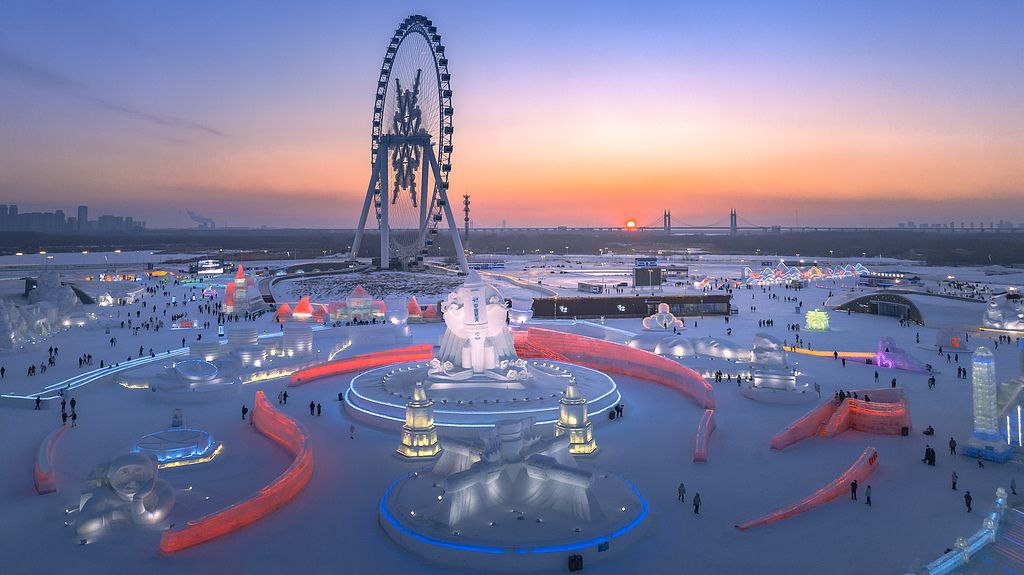
Events such as the Harbin International Ice and Snow Festival and the World Day of Remembrance of the Origin of Skiing (Altai, Xinjiang Uygur Autonomous Region, China) have consistently strengthened the status of these cities as attractive global winter tourism centers.
More importantly, ice and snow have become a bridge connecting China with the world. By proactively establishing and hosting a number of high-level international competitions, China is systematically building diverse platforms for international exchange in winter sports. For example, the International Ski Federation (FIS) Freestyle Ski World Cup has been held in Chinese ski resorts for many years, the China stage of the World Grand Prix of Figure Skating attracts the best athletes and figure skating enthusiasts from around the world, and leading professional competitions such as the Shanghai Cooperation Organization Curling Tournament and invited teams offer a "Chinese approach" in organizing competitions, operating sports facilities, integrating related industries, and engaging the general public.
In the future, China will continue to make unremitting efforts to contribute to the diversity and sustainable development of the global winter sports space.