Translated with AI
































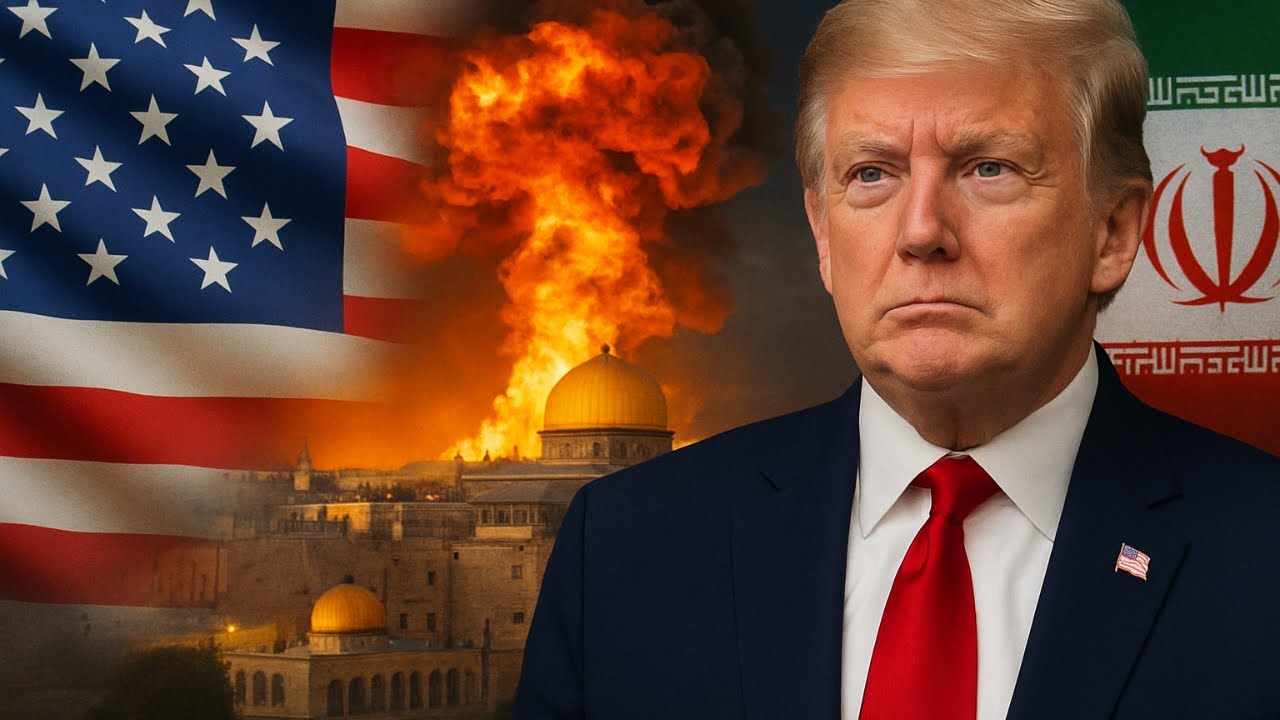
US allies in the Middle East are working to prevent a possible US military strike on Iran that could plunge the region into a wider conflict, The New York Times reports.
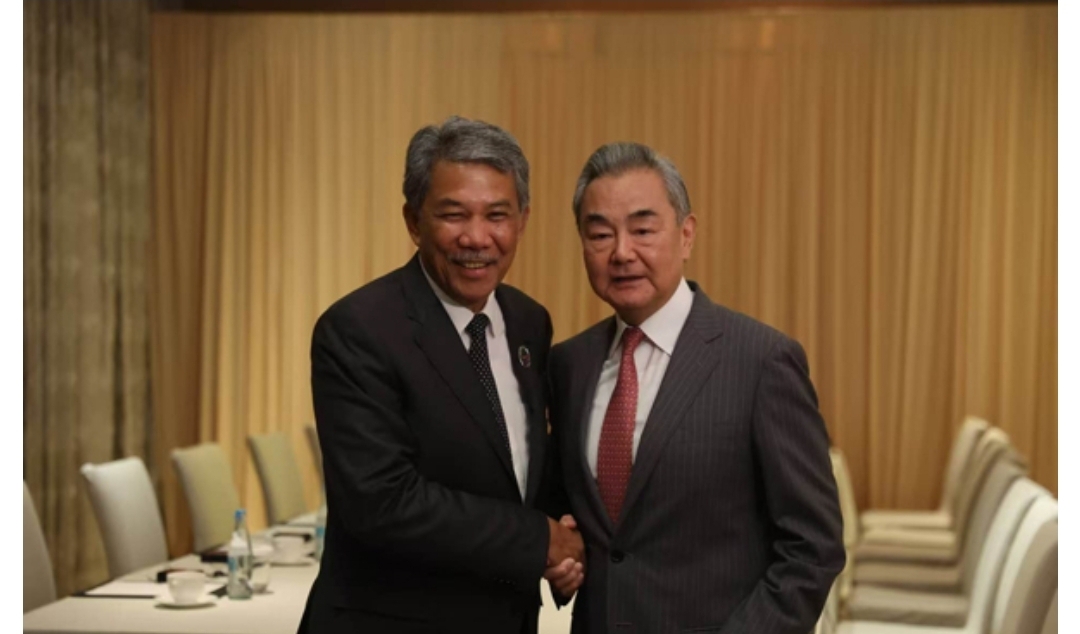
In recent weeks, several countries have been mediating between Iran and the United States, attempting to reduce tensions and facilitate a peaceful resolution of disputes. For example, the office of Egyptian Foreign Minister Badr Abdel Atta reported that he held separate talks with Iranian Foreign Minister Abbas Araqchi and US Special Envoy Steve Witkoff, calling for de-escalation.
In a phone call with Iranian President Masoud Pezeshkian, Saudi Arabia's Crown Prince Mohammed bin Salman emphasized the need to resolve disputes through dialogue in a way that strengthens security and stability in the region. At the same time, Saudi Arabia stated that it will not allow attacks on Iran from its territory.
Meanwhile, Axios reports that US officials indicate a current lack of serious negotiations between Washington and Tehran. Active diplomatic efforts are underway, with countries including Saudi Arabia, Turkey, and Qatar communicating and negotiating with both sides.
According to a Turkish official, US President Donald Trump discussed the Iranian crisis with Turkish President Recep Tayyip Erdoğan on Tuesday. On Wednesday, Turkish Foreign Minister Hakan Fidan held talks with Abbas Araqchi, discussing easing regional tensions. That same day, Araqchi also met with the foreign ministers of Qatar and Saudi Arabia. Following the phone call with Saudi Arabia, the Iranian Foreign Ministry stated that both sides warned of the "dangerous consequences of any escalation."
Earlier, Donald Trump stated that the US military is prepared to strike Iran more devastatingly than last summer if Tehran fails to reach an agreement with the US on its nuclear program. "I hope Iran comes to the negotiating table quickly and negotiates a fair deal – no nukes. This will be good for all parties. Time is running out. This is truly of the utmost importance!" Trump wrote on the social media platform TruthSocial. He also emphasized: "Our next attack will be much worse. Don't let it happen again."
US Secretary of State Marco Rubio did not rule out the possibility of a preemptive strike against Iran. "The United States reserves the right to launch preemptive strikes against Iran if there is a threat of attack against American forces," Rubio said at a hearing of the US Senate Foreign Relations Committee. According to him, between 30,000 and 40,000 US troops are stationed in the region at eight or nine sites within range of Iranian drones and tactical missiles.
In turn, Abbas Araghchi stated that Iran will respond to any aggression from the United States. "Our brave armed forces are ready, with their fingers on the trigger, to respond immediately and powerfully to any aggression," Araghchi wrote on social media on Wednesday. He added that "the valuable lessons learned from the 12-day war last summer have enabled us to respond even stronger, faster, and more profoundly."
As a reminder, on June 22, 2025, the United States struck three nuclear facilities in Iran: Fordow, Isfahan, and Natanz.