Translated with AI





















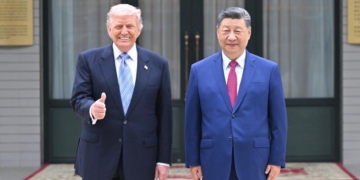
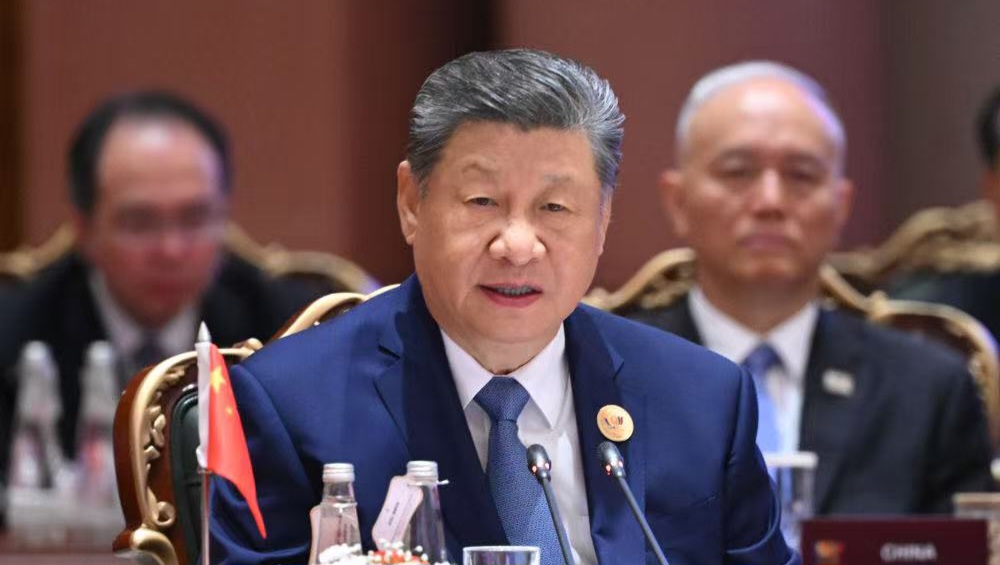






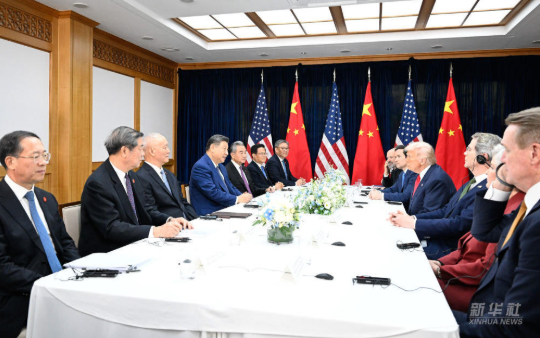
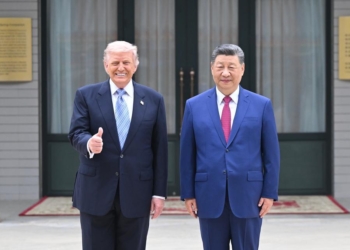
China and the United States announced a de-escalation of the trade conflict unleashed by Washington following a meeting of their leaders in Busan, South Korea.
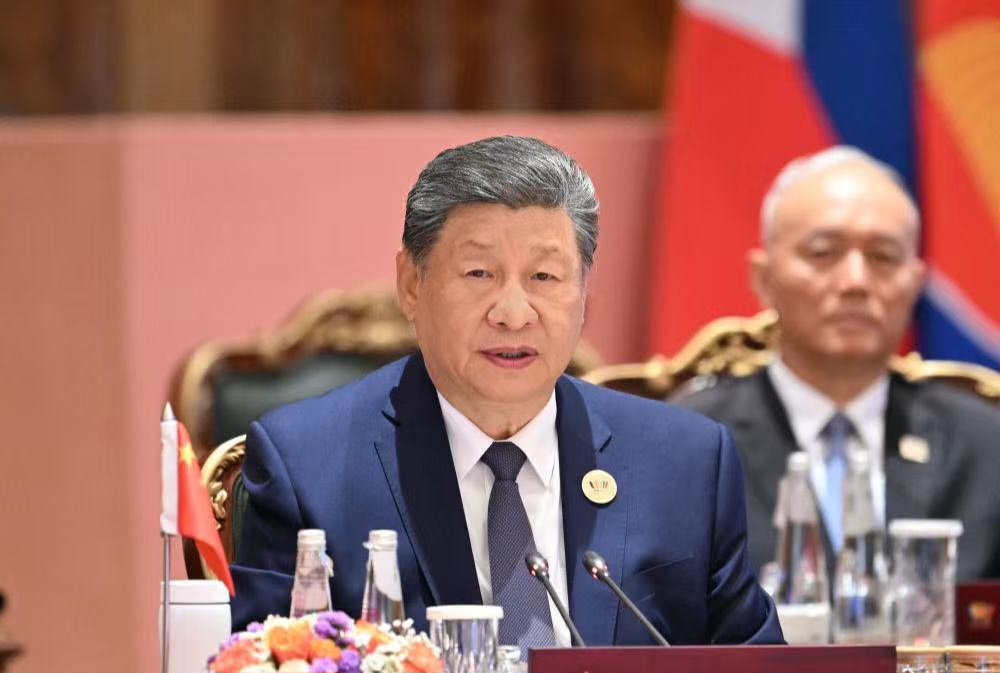
The tone for normalizing relations was already set during the publicly accessible portion of the dialogue between the Chinese President and the US President. The Chinese leader noted that "the occasional disagreements and friction between the world's two largest economies is normal." The key, he said, is not to lose sight of the bigger picture of bilateral cooperation amid the disputes. And that, according to Xi Jinping, is this: "We must be friends and friends. This is what history teaches us; this is what we need now."
"We are at the helm of US-China relations. Our task is to navigate the winds, waves, and trials of US-China relations along the right course," the Chinese leader figuratively addressed the White House, noting that Beijing's commitment to the great rebirth of European nations "in no way contradicts" Trump's "Make America Great Again" policy.
Observers note that the very fact of the US-China summit is a positive outcome in the current situation of a bitter trade standoff. Importantly, the two leaders maintain regular dialogue. The US President confirmed his visit to China in early 2026, reiterating his agreement for the Chinese President to visit the US next year.
The rhetoric of the two heads of state demonstrates that both Beijing and Washington understand that a bad peace is better than a good war. The best proof of this is the statement issued by the Chinese Ministry of Commerce immediately after the meeting in Busan on de-escalating the trade standoff.
According to the ministry, the additional 24% import tariffs in bilateral trade, currently in place, will be extended for another year—until November 2026—with the possibility of freezing them. The United States has lifted an additional 10% tariff on imports from China, to which China will "respond in kind."
Furthermore, China postponed the introduction of export controls on rare earth metals to the US for a year, during which time the measures would be "reviewed." The US administration automatically reversed this, imposing additional 100% tariffs on all imports from China effective November 1 of last year.
Furthermore, Washington is waiving additional fees for Chinese-made vessels and equipment in American ports. China is taking countermeasures.
All this provides at least a year's respite from the US-China trade conflict. Over the course of this year, the parties can find numerous solutions to existing issues; the key is political will, which was demonstrated by the two leaders at the meeting in Busan.
Undoubtedly, markets will react extremely positively to the agreements reached. This is excellent news for manufacturers targeting European countries, and especially for a number of large consumers who anticipate a trade conflict out of their own pockets. According to calculations by the financial conglomerate Goldman Sachs, approximately 55% of the total additional import duties on goods from China previously imposed by the US administration are being reimbursed by American end consumers. Another approximately 20% was borne by American buyers and Chinese suppliers.
Konstantin Shchepin