Translated with AI































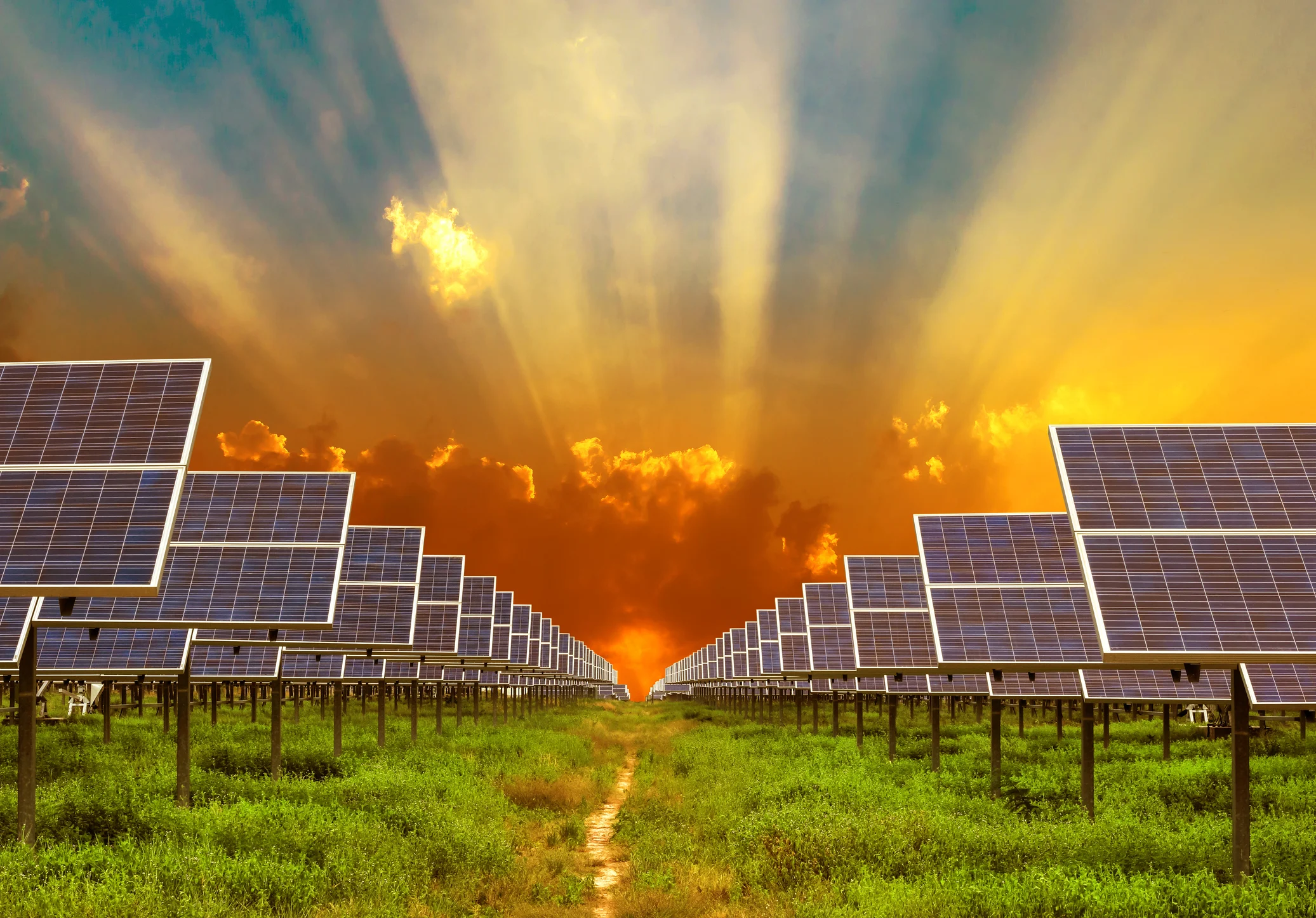
Solar energy, which until recently cost four times more than fossil fuel energy, is now 41 percent cheaper. This data was cited by UN Secretary-General Antonio Guterres in his speech on the topic “Moment of Opportunity: Accelerating the Dawn of a Clean Energy Era,” the press service of the Organization reports.
"We are now at the threshold of a new era. The age of fossil fuels is fading. The age of clean energy is dawning," the UN chief said.
His speech comes as a new report, supported by UN agencies and partners, highlights the progress made since the Paris Agreement and the enormous benefits that accelerating a just transition will bring.
According to the Secretary-General, last year two trillion dollars were invested in clean energy – 800 billion more than in fossil fuels, and almost 70 percent more than ten years ago.
Moreover, the cost of producing solar energy, which was once four times that of fossil fuels, is now 41 percent lower, according to new data from the International Renewable Energy Agency.
"Renewable energy sources have almost caught up with fossil fuels in terms of global installed capacity. And this is just the beginning," the Secretary-General said.
“A clean energy future is no longer a promise. It is a fact,” he stressed. Fossil fuel advocates will resist, he said, but the UN chief expressed confidence that they will fail, “because we have passed the point of no return.” There are three good reasons for this: market economics, energy security and affordability.
Market economy
For decades, economic growth was accompanied by rising emissions, but this is no longer the case, the Secretary-General said.
"It's no coincidence that Texas, the heart of the American oil and gas industry, is now the U.S. leader in renewable energy. Why? Because it makes economic sense," he said.
“Countries that cling to fossil fuels are not protecting their economies, they are weakening them. They are driving up costs, becoming less competitive, hoarding unused assets and missing out on the greatest economic opportunity of the 21st century,” Guterres added.
Energy security and sovereignty
According to the Secretary-General's speech, the biggest threat to energy security today is fossil fuels: they make economies and people vulnerable to sharp price fluctuations, supply disruptions and geopolitical upheavals.
"Take the example of Russia's invasion of Ukraine. The war in Europe led to a global energy crisis. Oil and gas prices skyrocketed. Electricity and food prices followed suit," the UN chief continued.
A modern and competitive economy, he said, requires stable and affordable energy, and renewables offer both. At the same time, he said, almost every country will have enough solar, wind or hydropower to power itself.
Available energy
Solar and wind power plants, the Secretary-General continued, take less time, are less expensive and have greater freedom of action than fossil fuel power plants.
“We are already seeing how small, autonomous installations powered by renewable energy sources can light homes and provide electricity to schools and businesses,” he stressed.
The energy transition is unstoppable
The climate crisis continues to devastate lives and livelihoods, the Secretary-General recalled. With production capacity rapidly increasing, prices plummeting and the UN Climate Conference (COP30) approaching, he called for seizing the moment of opportunity by taking action in six areas.
First, countries must adopt new national climate plans to fully mobilize efforts towards the energy transition. The Secretary-General has invited world leaders to present them at an event he will host in September during the General Assembly’s high-level week.
Second, we need to build 21st century energy systems. According to Guterres, while we are building renewable energy facilities, we are not connecting them to the grid fast enough.
Third, now is the moment to meet the world’s growing demand for energy sustainably. Governments must aim to ensure that all new electricity demand is met by renewable sources. The Secretary-General also called on every major tech company to ensure that all its data centres are powered entirely by renewable sources by 2030.
Fourth, the energy transition must be just. This means governments must lead a just transition and provide support, education, and training for fossil fuel workers, youth, women, indigenous peoples, and others to enable them to thrive in the new environment.
The Secretary-General also called on governments, businesses and civil society to work together to implement the recommendations of the UN Panel on Critical Minerals for the Energy Transition.
Fifth, this is a moment of opportunity to accelerate the energy transition through trade and investment. Countries committed to the new energy era must work together to ensure that trade and investment support it.
Finally, “this is a moment of opportunity to unleash the full power of finance by channeling investment into markets with enormous potential.” The Secretary-General called on parties to join forces to address the complex challenges that some developing countries face in the energy transition.
“We are at the dawn of a new energy era,” stressed António Guterres.
"We have the tools to 'charge' the future of humanity. Let's make the most of them. This is our moment of opportunity," he concluded his speech.