Translated with AI


































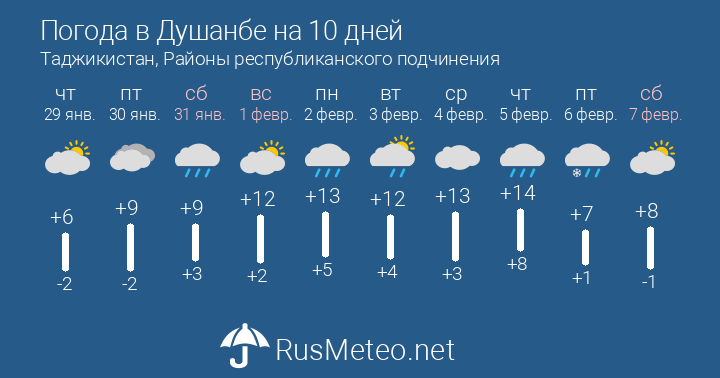
In 2025, the Hydrometeorology Agency of the Committee for Environmental Protection under the Government of the Republic of Tajikistan prepared 365 daily weather forecasts, with an average accuracy of 94 percent. At the same time, 826 natural disasters were recorded in the country, 48 fewer than in the same period last year. This was announced today at a press conference by Bakhodur Sheralizoda, Chairman of the Committee for Environmental Protection.
According to the Committee's head, the Hydrometeorology Agency receives daily data from all meteorological stations and observation points, which are then sent to the Central Data Collection Center and continuously monitored by specialists. This allows for the prompt processing of information and the provision of accurate forecasts to the public, government agencies, and relevant services.
Bakhodur Sheralizoda noted that the forecasts prepared help reduce the risks associated with natural disasters and facilitate timely emergency prevention measures. He emphasized that the high forecast accuracy is the result of the use of modern monitoring technologies, process automation, and ongoing professional training for the hydrometeorological agency's staff.
The Committee Chairman also discussed the strategic and state environmental programs being implemented, which are aimed at sustainable development, environmental protection, and fostering environmental awareness among the population. These include the National Development Strategy of the Republic of Tajikistan for the period up to 2030, the State Program for the Study and Protection of Glaciers of the Republic of Tajikistan for 2010-2030, the State Environmental Program of the Republic of Tajikistan for 2023-2028, the State Comprehensive Program for the Development of Environmental Education and Awareness of the Population of the Republic of Tajikistan for 2021-2025, and the State Program for Greening the Republic of Tajikistan for the period up to 2040.
According to Bakhodur Sheralizoda, the implementation of these programs not only improves environmental safety but also develops scientific research, enhances the professional competencies of employees, and actively engages the public in environmental protection and disaster prevention.
The Committee Chairman emphasized that daily data processing and forecast preparation allow the public to be informed in advance of potential adverse weather events, such as snowfalls, strong winds, thunderstorms, or rising river levels, as well as to facilitate interaction between government agencies, emergency services, and local administrations.
According to him, a comprehensive approach to forecasting and monitoring natural phenomena helps reduce risks to the population, minimize material damage, and improve disaster prevention and response planning throughout the country.