Translated with AI










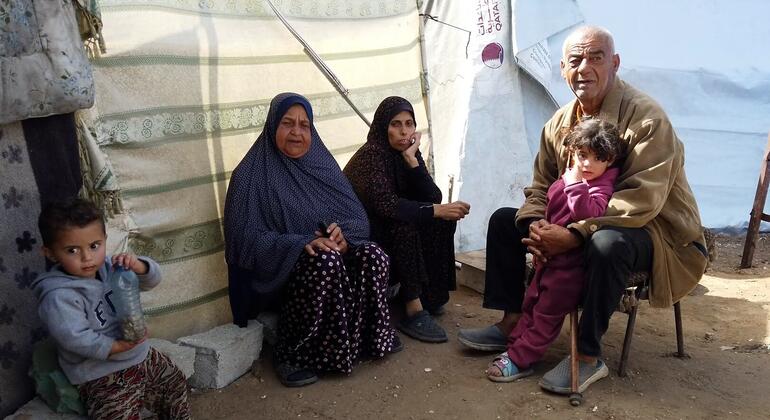
Palestinian Walid al-Assi promised his young granddaughter he would take her to the Gaza City market at the start of the holy month of Ramadan—as was their family tradition before the war between Israel and Hamas. But now, "everything has changed," the UN press service reported .
Al-Assi lives with his family in a tent made of cloth and plastic next to the ruins of their home in the Al-Zarqa neighborhood of central Gaza City. He says they used to live there "happily" and could afford good food, including traditional Ramadan sweets like qatayef.
United Nations News Service
"Everything has changed now," he told a UN News Service correspondent, describing the grim picture after two years of Israeli attacks. "We have nothing left. Today, I see goods in the shops, but I turn away from them because I have no money to buy them. I suffer from high blood pressure and diabetes; I can't walk. People living in tents need help."
Tragic times
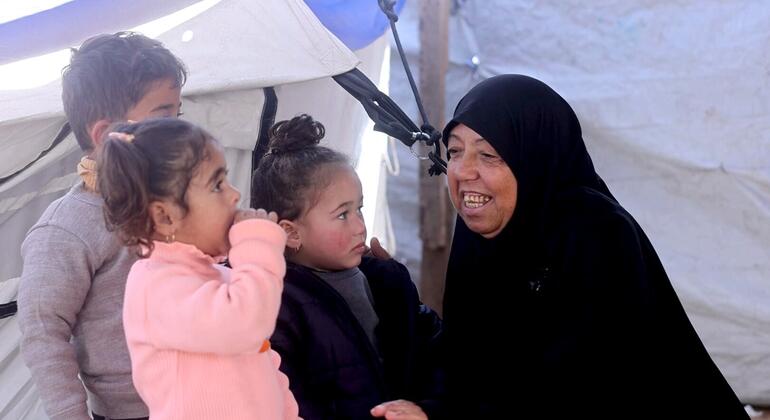
In another tent, Amal al-Samri and her husband are trying to create at least a symbolic atmosphere of celebration. They've tidied up their temporary home in preparation for the holy month. A smile never leaves the woman's tired face, and their three children are dressed in clothes that look like new—in honor of the arrival of Ramadan.
United Nations News Service
Before the war, she recalls, "our life was wonderful." Al-Samri visited relatives, went to see her parents and brothers, bought groceries at the market, and decorated the house with garlands and lights.
"None of that exists today," she says. "We live in catastrophic conditions. There's no electricity or water. We were forced to relocate time and again, and in one of those places, the seawater flooded us and swept away our tents."
High prices and shortages
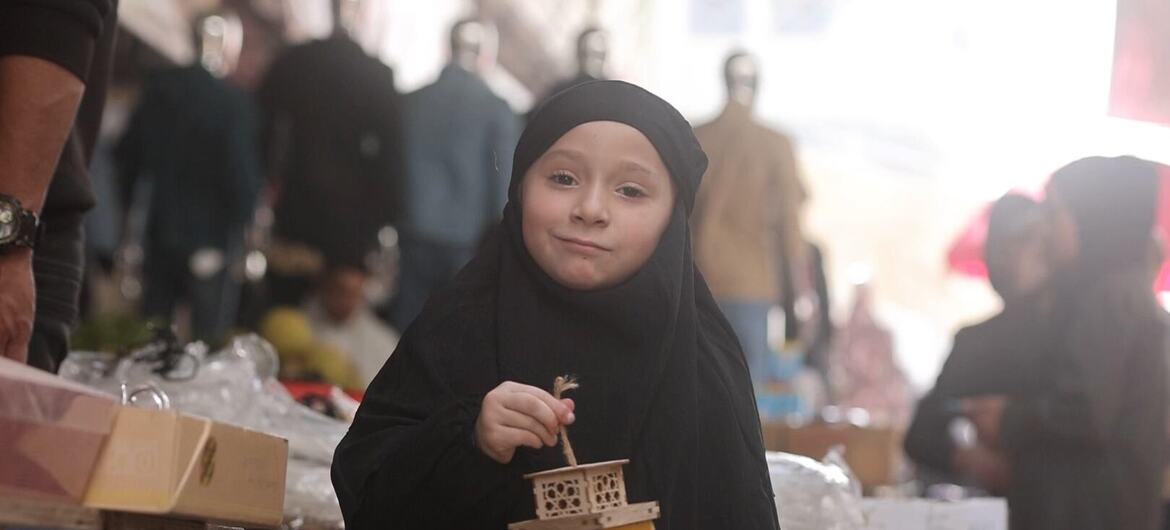
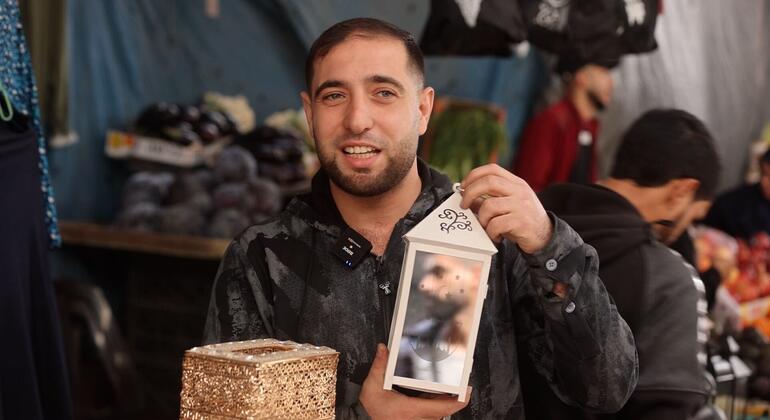
Despite the harsh conditions, ongoing suffering, shortages, and widespread destruction, the atmosphere of Ramadan and its characteristic goods have finally returned to the historic Zawiya market in Gaza City. Shops and street vendors have hung lanterns of various sizes and signs welcoming the arrival of the holy month.
Some families managed to buy lanterns for their children despite the high prices. However, many pass through the market without making any purchases, as they lack the funds, said shop owner Louay al-Jamasi.
United Nations News Service
"Many people don't have Ramadan decorations because there's no electricity," he said. "Prices have risen significantly because the sector hasn't received new supplies for a long time."
Holding a lantern in his hands, he explained: “This lantern used to cost 30 shekels, now it’s 60. The price has doubled due to a shortage of goods.”
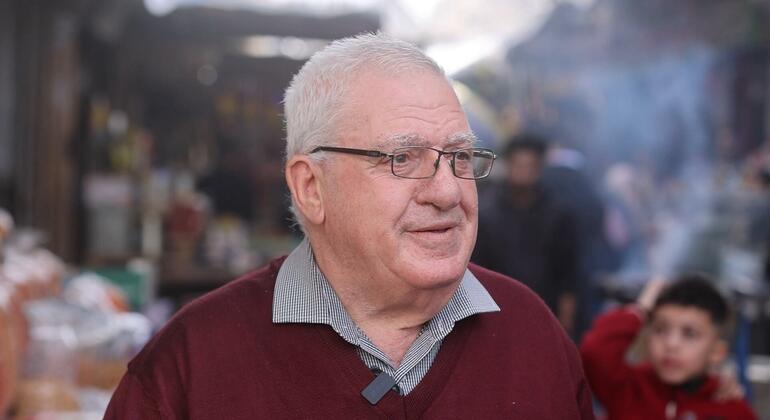
However, there are those who are determined to celebrate Ramadan in their own way and show solidarity with others. Among them is Palestinian Christian Maher Tarzi, who was strolling through the Zawiya market.
United Nations News Service
In a low voice he sang a song associated with Ramadan: “The sweet and happy nights have come – the nights that come and go, in which the divine radiance is always present, and their light pours down from on high.”
"People want to be happy," Tarzi said. "We've been through some tough times, and it's good that we're alive."
"How did we survive?"
"People look around and ask themselves: How did we even survive?" he continued. "And then they go back to their lives and go to the market. But their purchasing power isn't what it used to be."
The UN Office for the Coordination of Humanitarian Affairs (OCHA) reports that at least two-thirds of the population—approximately 1.4 million of the 2.1 million people—are estimated to be living in approximately 1,000 temporary shelters. People are huddled in tents that offer little privacy or protection.
At night, some areas of Gaza City are lit up with lanterns and lamps to mark the start of Ramadan, despite the dire conditions facing many residents who have lost their homes.