Translated with AI






Moscow is gradually losing its role as the sole center of attraction for labor migrants from the CIS countries. Growing pressure on migration infrastructure, high rental housing costs, and increasing competition in the labor market are increasingly forcing foreigners to consider alternative regions. Under these circumstances, the question naturally arises: where in Russia today are the most favorable, safe, and economically viable conditions for foreign nationals to work?
Regions outside the capital's metropolitan area are increasingly attracting attention. Specifically, in the Republic of Tatarstan, the cost of a work permit has been set at approximately $100 since January 1, 2026, which is approximately 30% lower than in Moscow and the Moscow region.
Thus, by focusing on support, adaptation, and clear rules, Russian regions are building a fast and convenient format for attracting personnel for Tajik citizens who come to Russia not only for work but also for the opportunity to build a sustainable future.
RUSSIA CHANGES THE RULES OF THE GAME
Transparent labor migration is important not only for security and tax reasons, but also for creating a sustainable social environment. Understanding who is working where allows us to create more secure working conditions for foreigners.
At the same time, many bloggers and media outlets often portray Russia's migration policy in a negative light. However, the very logic of the ongoing changes suggests otherwise: this isn't about closing the country, but about restoring order and creating legal, transparent conditions for work.
In recent years, migration amnesty mechanisms and official employment programs have been introduced, creating a clear logic: it is possible to work legally and safely in Russia using the provided tools.
The migration amnesty has already enabled thousands of foreigners to restore their legal status. The state's goal is not to abandon the labor force, but to streamline the system and give a chance to those willing to work honestly and legally. Mechanisms are being created to correct status and avoid deportation if they are ready to live and work legally.
The updated regulations are an attempt to bring the sector out of the gray zone. Digital registries, employer audits, and increased accountability should make the system more transparent and predictable. In the long term, these changes are aimed at creating a fairer model.
REGIONAL INITIATIVES AND OPPORTUNITIES FOR GIRLS IN TAJIKISTAN
Most often, discussions about the difficulties of migration focus on Moscow and the Moscow region. This is understandable: this is where the bulk of the labor force traditionally flows, which explains the higher competition for jobs, overcrowded migration centers, and expensive rent.
However, outside the capital region, the situation in many regions of the Russian Federation is different. For example, in the Republic of Tatarstan, migration processes are more manageable, and interactions between businesses, government, and foreign workers are more structured. Here, a transition from chaotic migration to organized and legal employment formats is becoming possible.
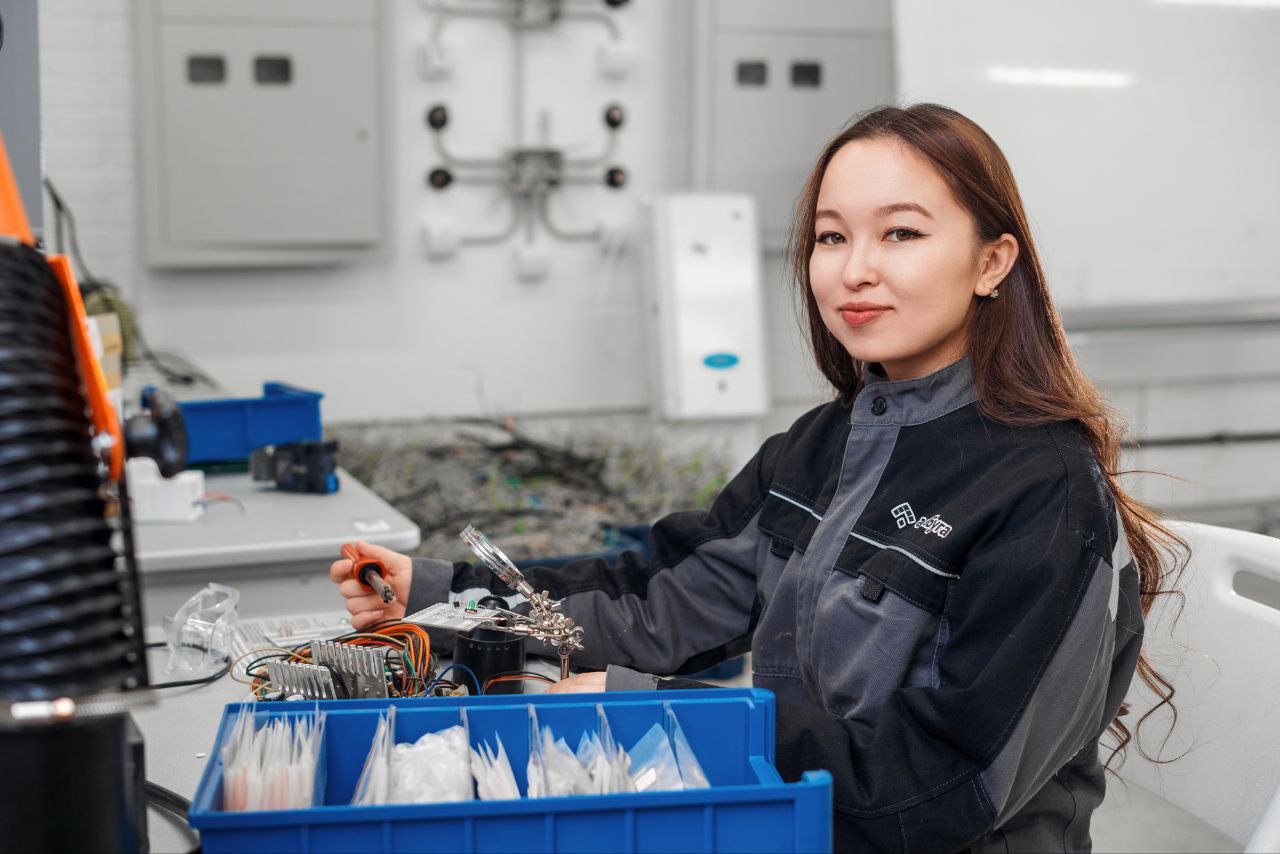
Every year, the Russian Government and Ministry of Labor establish quotas for the employment of foreign workers, which are then distributed among the regions. A significant portion of Tatarstan's quotas are allocated to large enterprises and factories, such as the Alabuga Special Economic Zone and KAMAZ PJSC.
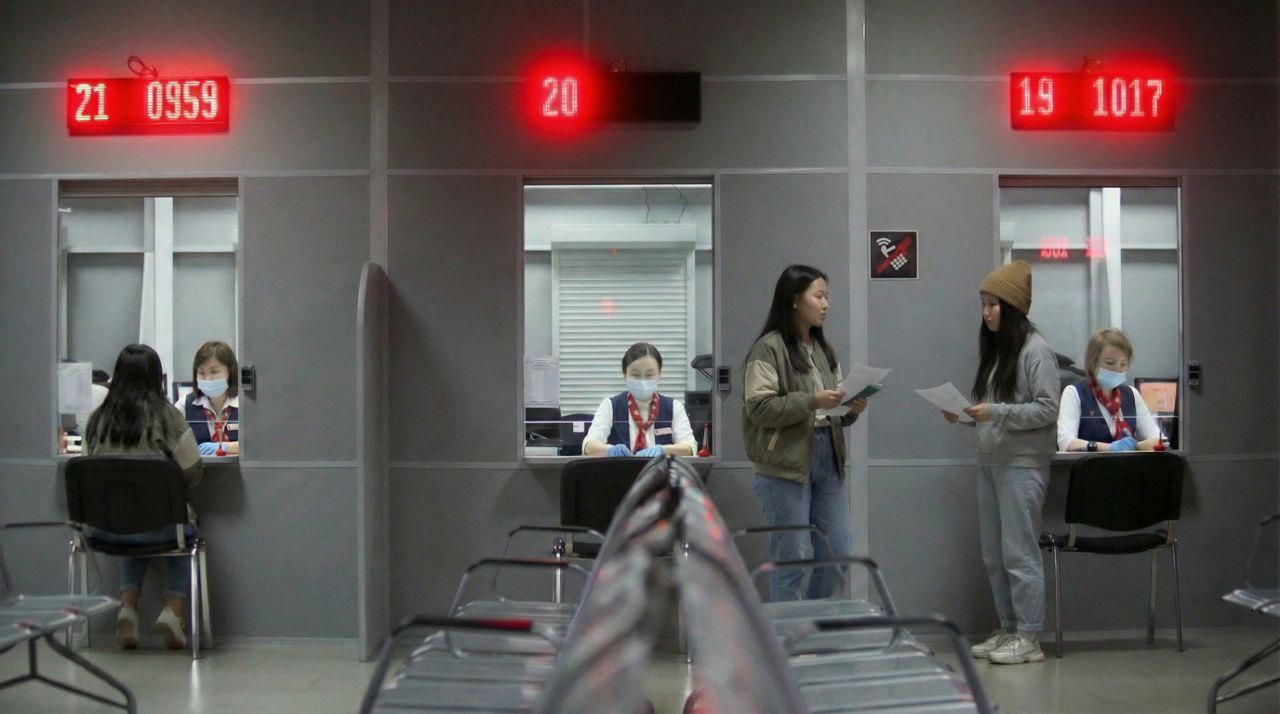
The organization of migration processes also varies across regions. In the Moscow region, there is one large migration center (in Sakharovo), which receives the majority of foreign citizens. This leads to high workloads, including long queues and lengthy waits to submit documents.
The situation in Tatarstan is comfortable. The vast majority of labor migrants are distributed among several large cities, where there are no queues or long waits. The Republic of Tatarstan is currently one of Russia's most promising regions for labor migration: it combines developed infrastructure, robust economic growth, and a systematic approach to attracting talent.
The region doesn't simply welcome foreign specialists; it creates conditions for their adaptation and professional development. It was with this mindset that the "Alabuga Start" program was launched within the Alabuga Special Economic Zone.
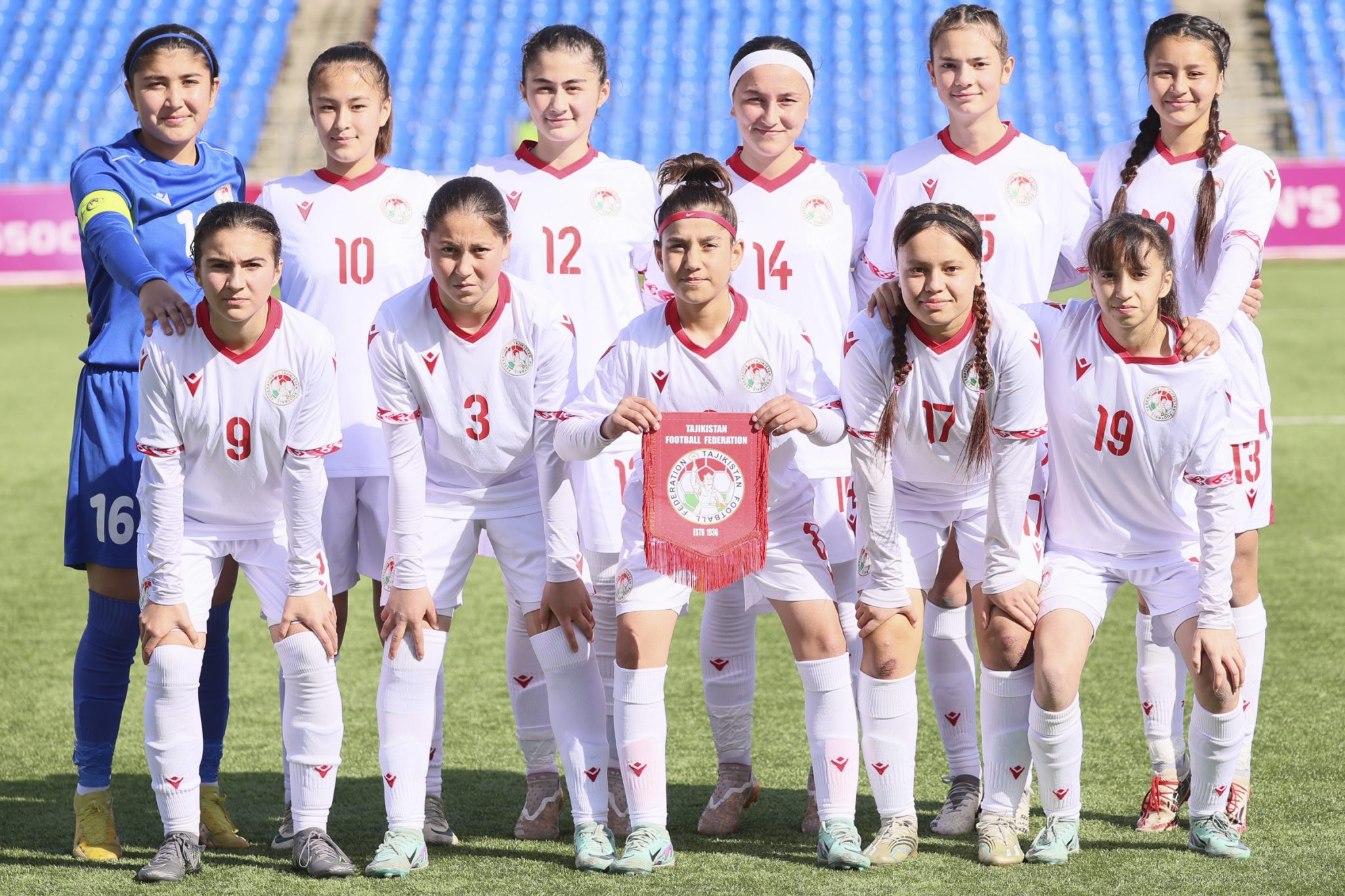
The program offers young Tajik women aged 16 to 22 the opportunity to build careers through legal employment in Russia, with social guarantees and development prospects.

Participants are supported throughout the entire paperwork process, after which they are placed in seven fields: from catering, service, and hospitality to finishing work and logistics. The SEZ provides flights to Tatarstan, accommodations in corporate hostels at discounted rates, and transportation to their workplace.
Monthly income starts at $860. Participants also receive health insurance and clear career prospects: they receive on-the-job training and the opportunity to advance their career every six months.
Furthermore, the "Alabuga Start" program offers young women a unique opportunity to experience Russia and its traditions. Participants not only immerse themselves in a professional environment, but also visit museums, explore the region's major cities, and learn about Russia's history, culture, and landmarks. This allows them to broaden their horizons, make new connections, and gain a deeper understanding of local life.
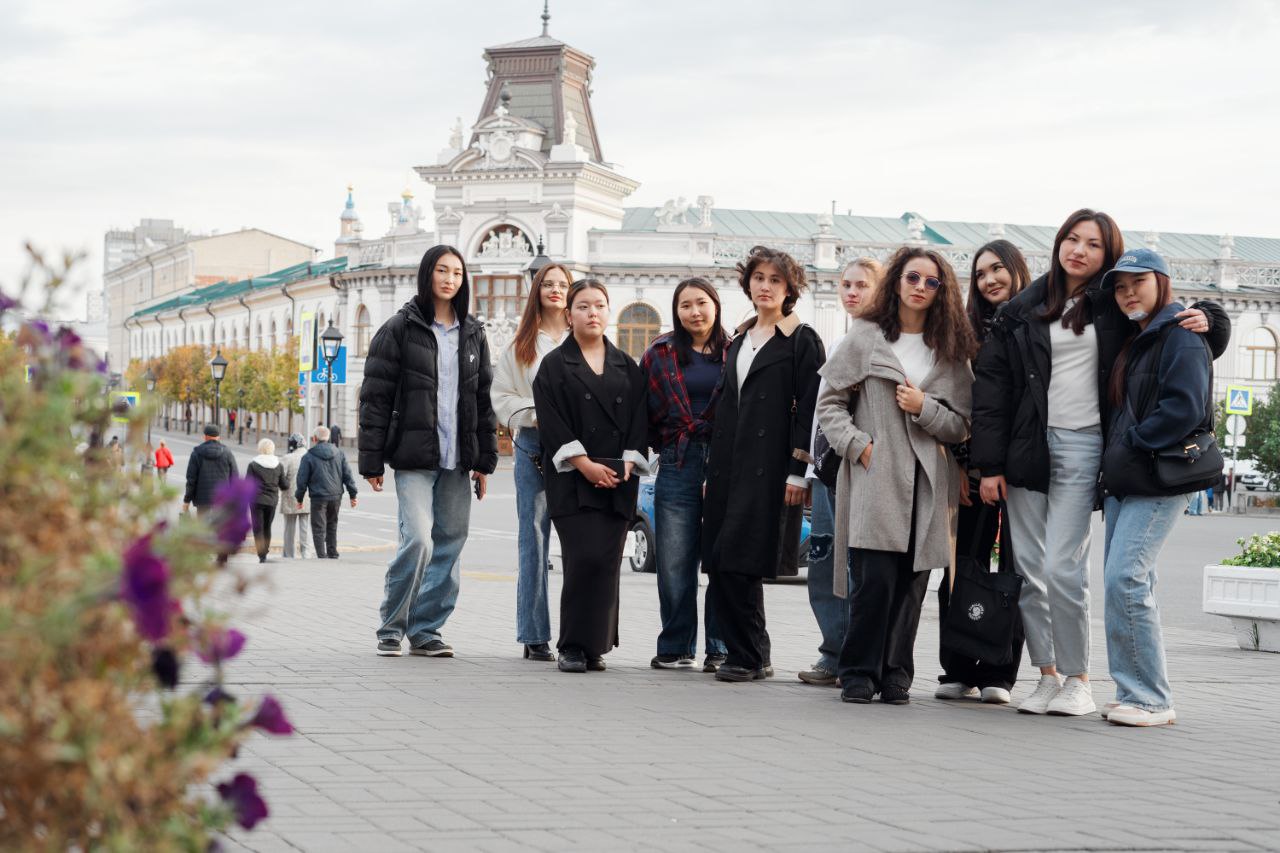
This model, where people arrive with a pre-defined professional trajectory, fundamentally changes the nature of migration. Instead of uncertainty and a lack of guarantees, it offers transparent rules, legal status, a clear plan, and predictable conditions.
HR PROGRAMS FOR YOUTH IN THE CIS
While "Alabuga Start" is aimed exclusively at women, the "Alabuga Polytech" program, aimed at training technical and engineering specialists for companies in the region, is available to men in Tatarstan.
The educational center offers in-demand programs, from industrial robotics and web development to biotechnology and other relevant specialties.
Education here is structured according to a dual system: theory is immediately reinforced by practical experience. Crucially, program participants can find official employment as early as their first year. This not only provides them with a professional foundation but also the opportunity to earn income throughout their studies.

This format is especially in demand among young people, for whom moving to Russia is not just a temporary job, but a chance to gain a promising qualification and lay the foundation for a long-term career.
As labor migration regulations in Russia become more stringent and transparent, the deciding factor for foreign workers is not only the level of income, but also the environment itself: access to legalization, attitudes from employers, and the ability to plan for the future.
Regional experience shows that a systematic approach, rather than a spontaneous labor market, creates new points of attraction for migrants from CIS countries, making the process understandable, manageable, and mutually beneficial for all parties.