Translated with AI












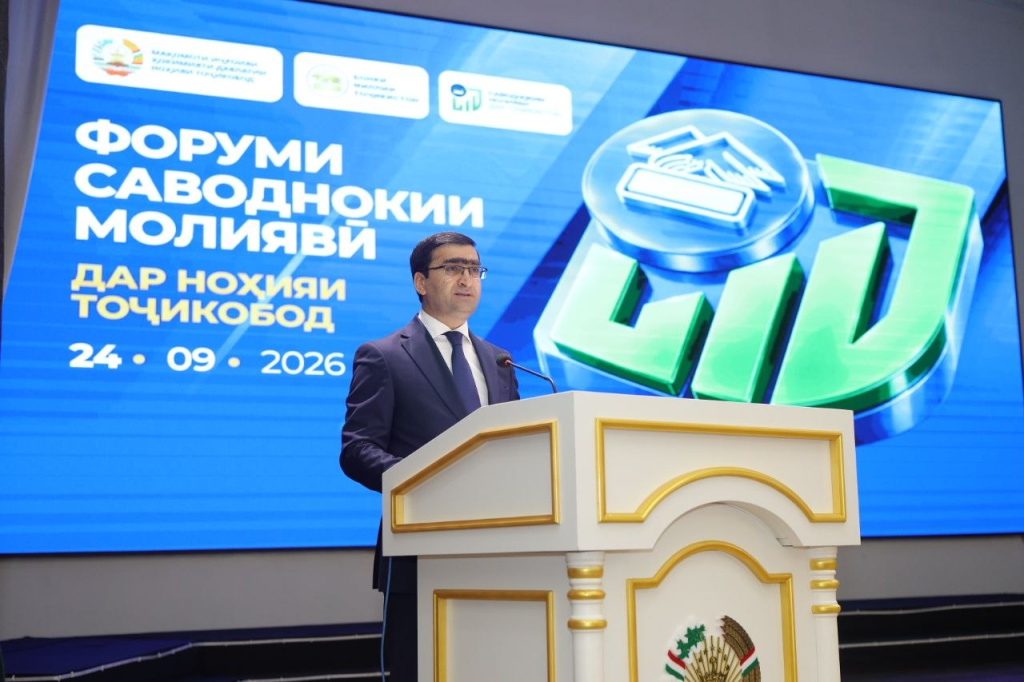




















At a meeting of the Government of Tajikistan, the draft Diabetes Prevention and Control Program for the Republic of Tajikistan for 2026–2030 and the Pharmaceutical Industry Development Program for the same period were reviewed for the first time. This was reported by the Ministry of Health and Social Protection of the Republic of Tajikistan.
The meeting took place on May 28 under the chairmanship of the President of the Republic of Tajikistan, Chairman of the Government of the country Emomali Rahmon.
During the meeting, the Minister of Health and Social Protection of the Population, Jamoliddin Abdullozoda, presented a report on the draft Program for the Prevention and Control of Diabetes in the Republic of Tajikistan for 2026–2030, as well as the draft Program for the Development of the Pharmaceutical Industry for 2026–2030.
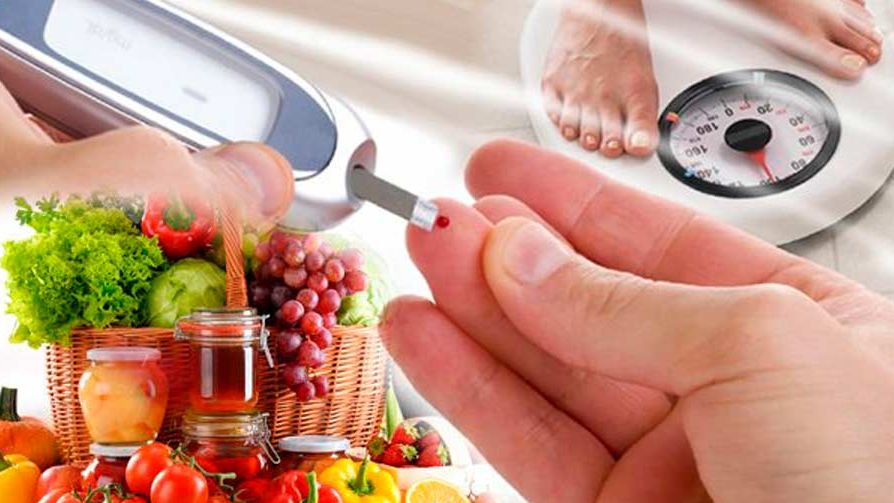
It was noted that the diabetes prevention and control program was developed to reduce the incidence and mortality rates of diabetes. The document also calls for more efficient use of existing resources for early diagnosis, improvement of specialized endocrinology care, increased public access to all types of treatment, strengthening the material and technical infrastructure of healthcare institutions, and training of scientific and practical personnel.
Tajikistan President Emomali Rahmon emphasized that, in addition to traditional measures, effective diabetes prevention requires focusing on healthy eating and a healthy lifestyle. He emphasized that sports and physical activity, as well as walks in the country's cultural and natural parks, play a crucial role.
When reviewing the draft Program for the Development of the Pharmaceutical Industry for 2026–2030, it was reported that its main goal is to create favorable conditions for scientific research and the production of medicines, ensure the sustainable development of the pharmaceutical industry based on modern technologies, increase the volume of import-substituting products, and provide the population and the healthcare system with domestic drugs and medical goods.
In addition, the program provides for the development of the cultivation, collection, and processing of medicinal plants, as well as attracting foreign investment for the further development of the industry.
Emomali Rahmon emphasized that in order to increase pharmaceutical production in the country and support entrepreneurs working in this field, it is necessary to maximize the existing potential and opportunities.