Translated with AI

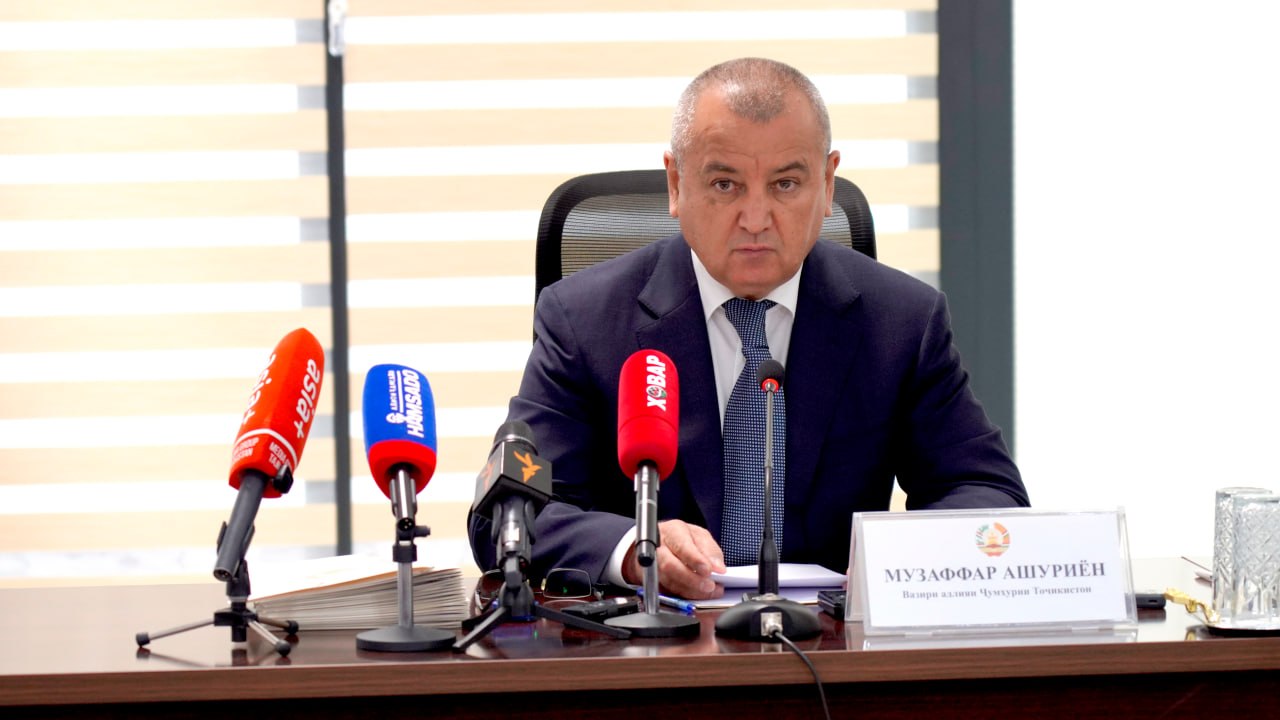

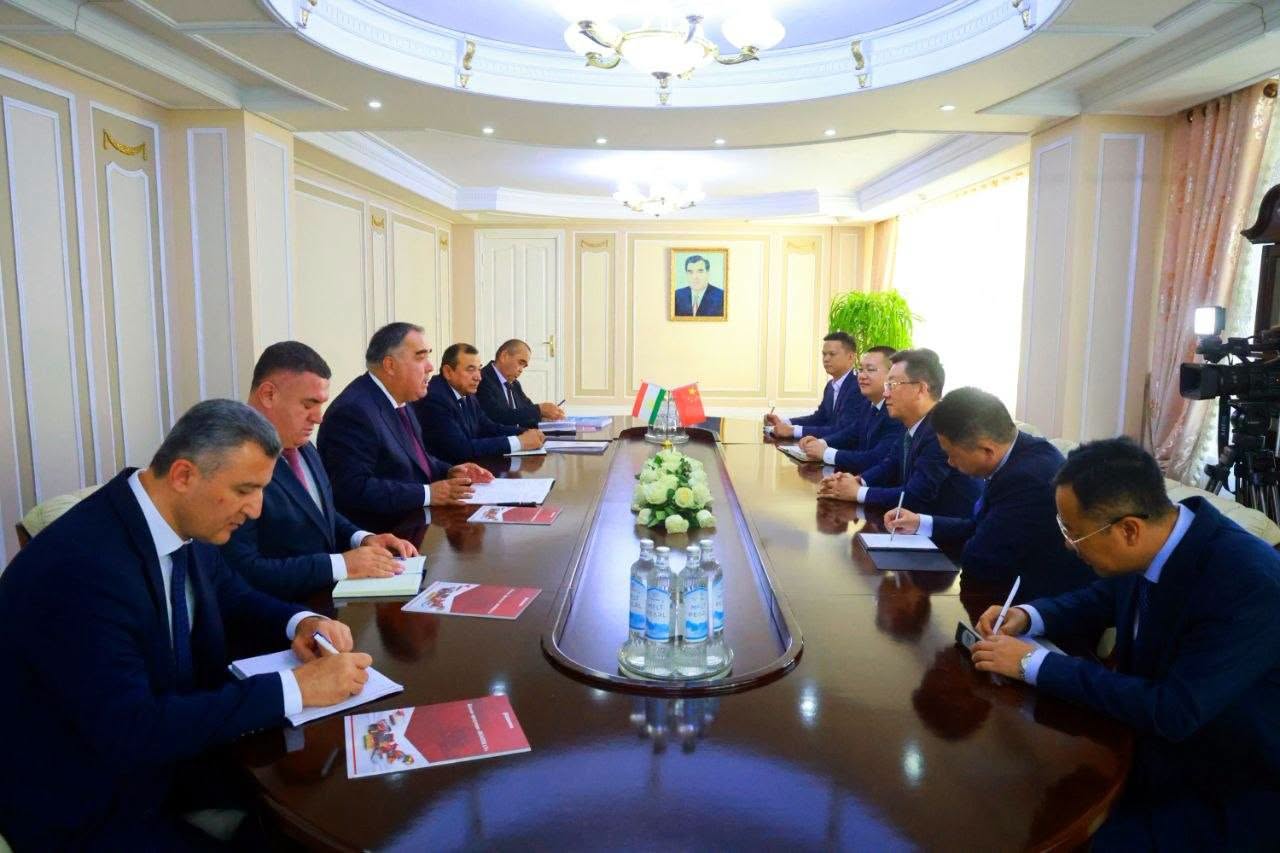

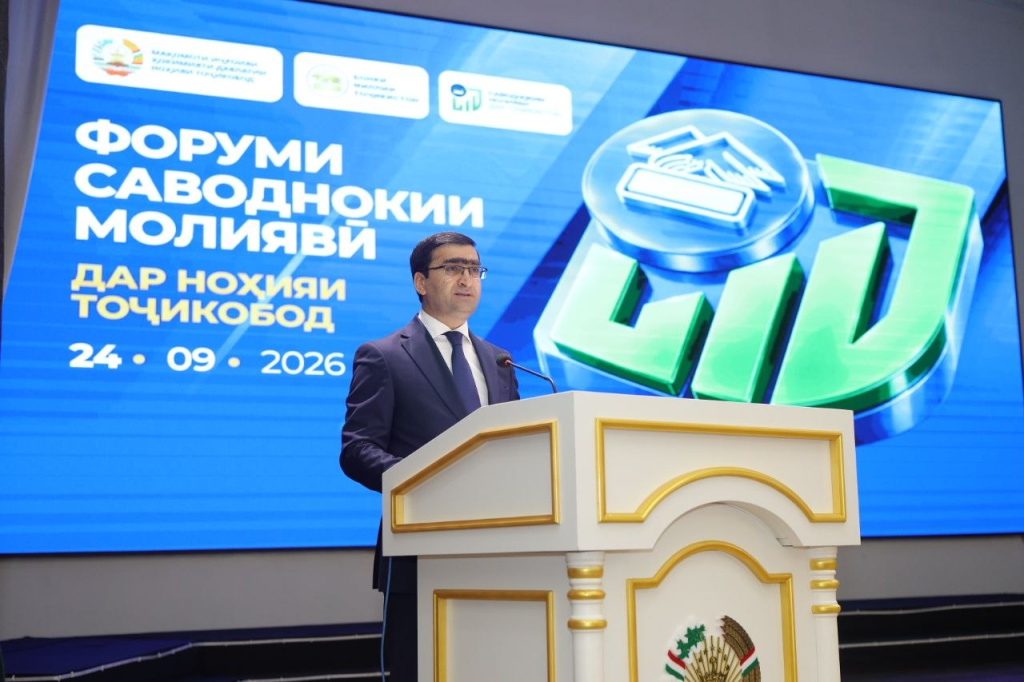
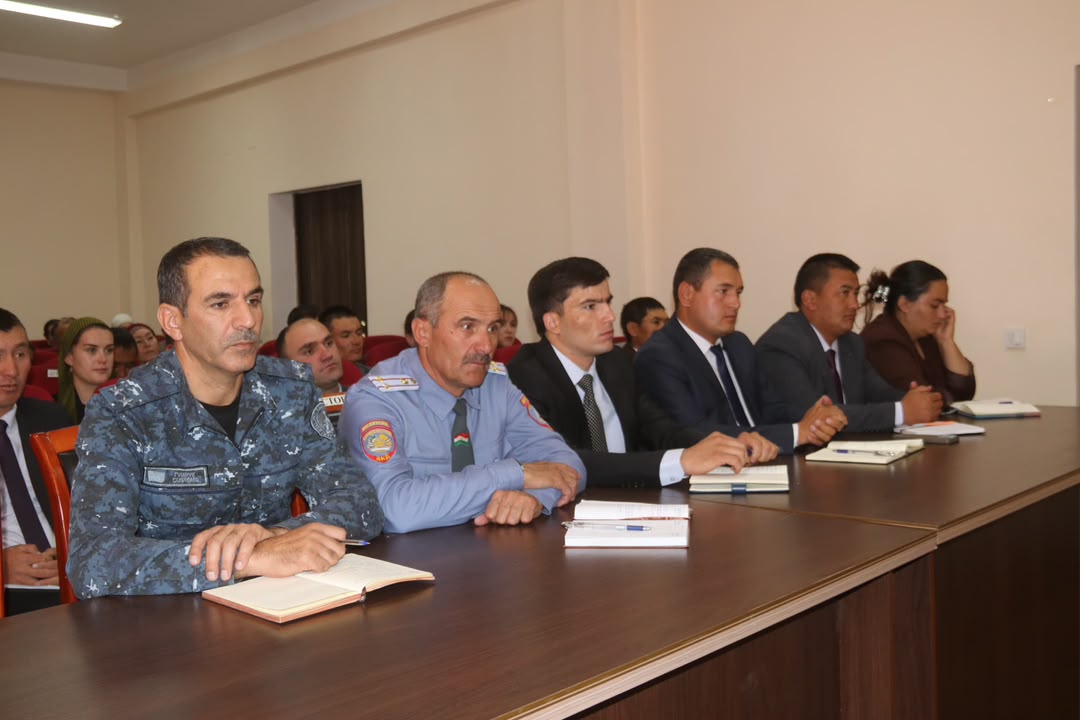
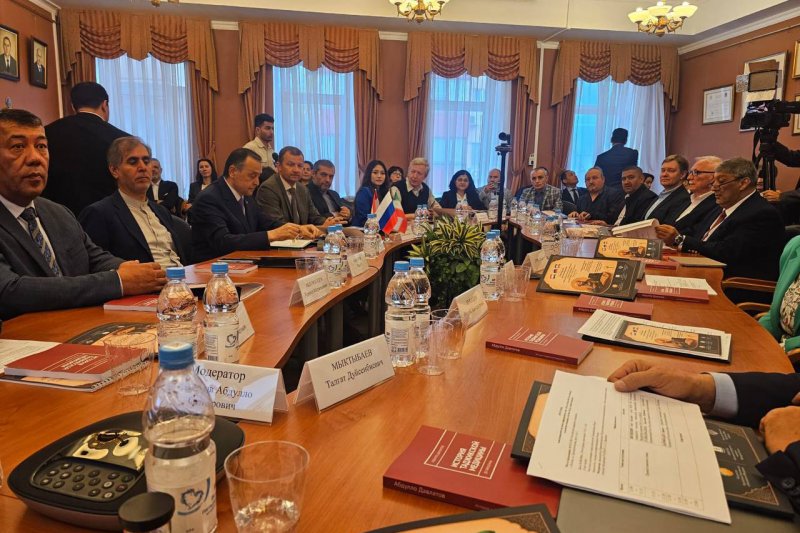







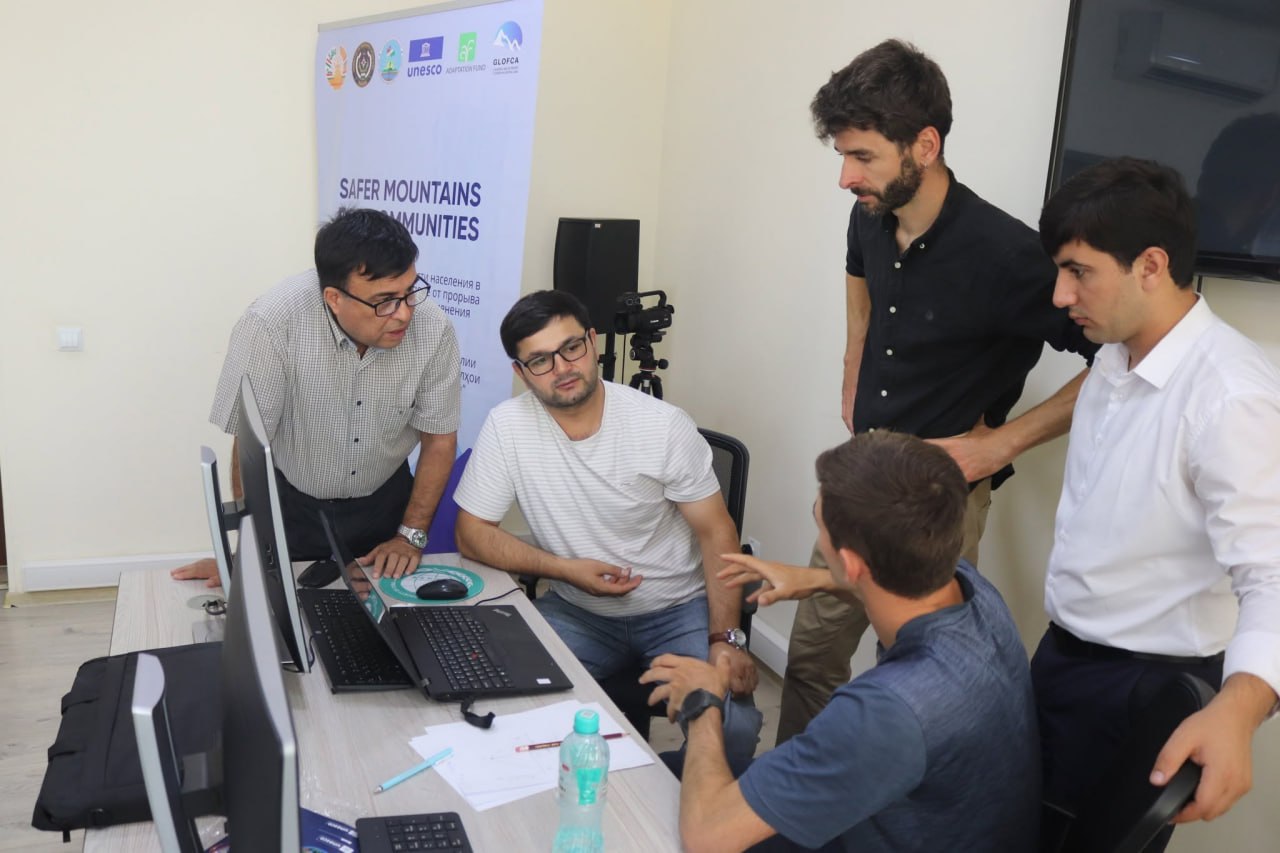
The Hydrometeorology Agency of the Committee for Environmental Protection under the Government of the Republic of Tajikistan held a workshop on the Transient Hydrologic Anomalies Weekly (THAW) tool, designed to identify and monitor new and abnormally changing mountain lakes. The Hydrometeorology Agency reported this.
The seminar was attended by scientists and specialists from the Agency for Hydrometeorology, the State Institution "Institute for the Study of Glaciers and Cryosphere of the National Academy of Sciences of Tajikistan", and the Institute of Water Problems, Hydropower and Ecology of the National Academy of Sciences of Tajikistan.
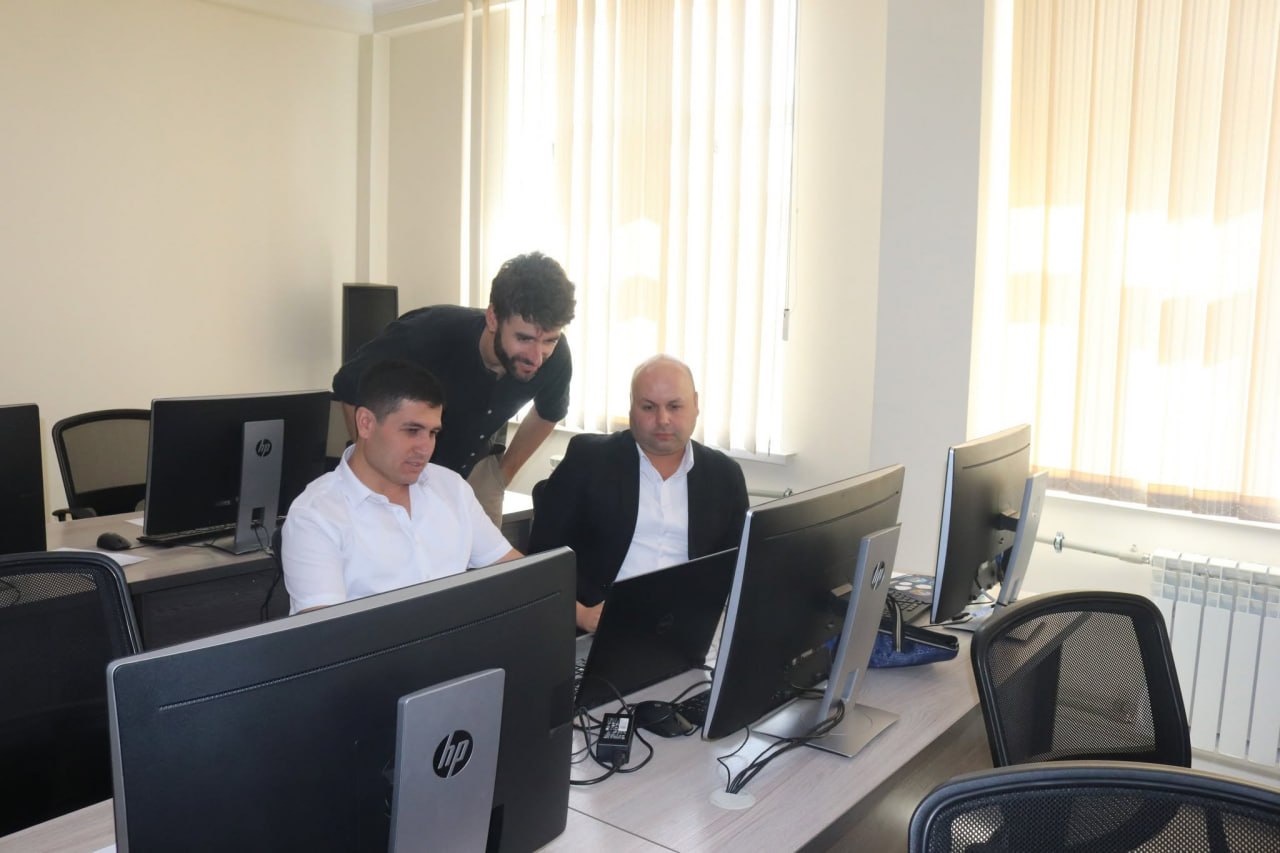
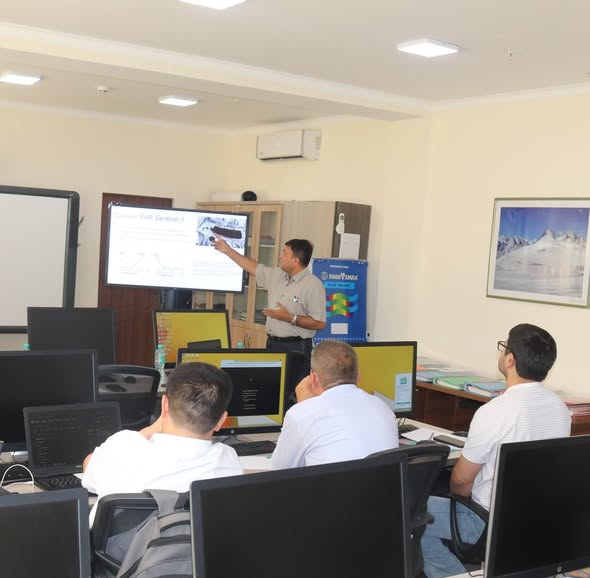
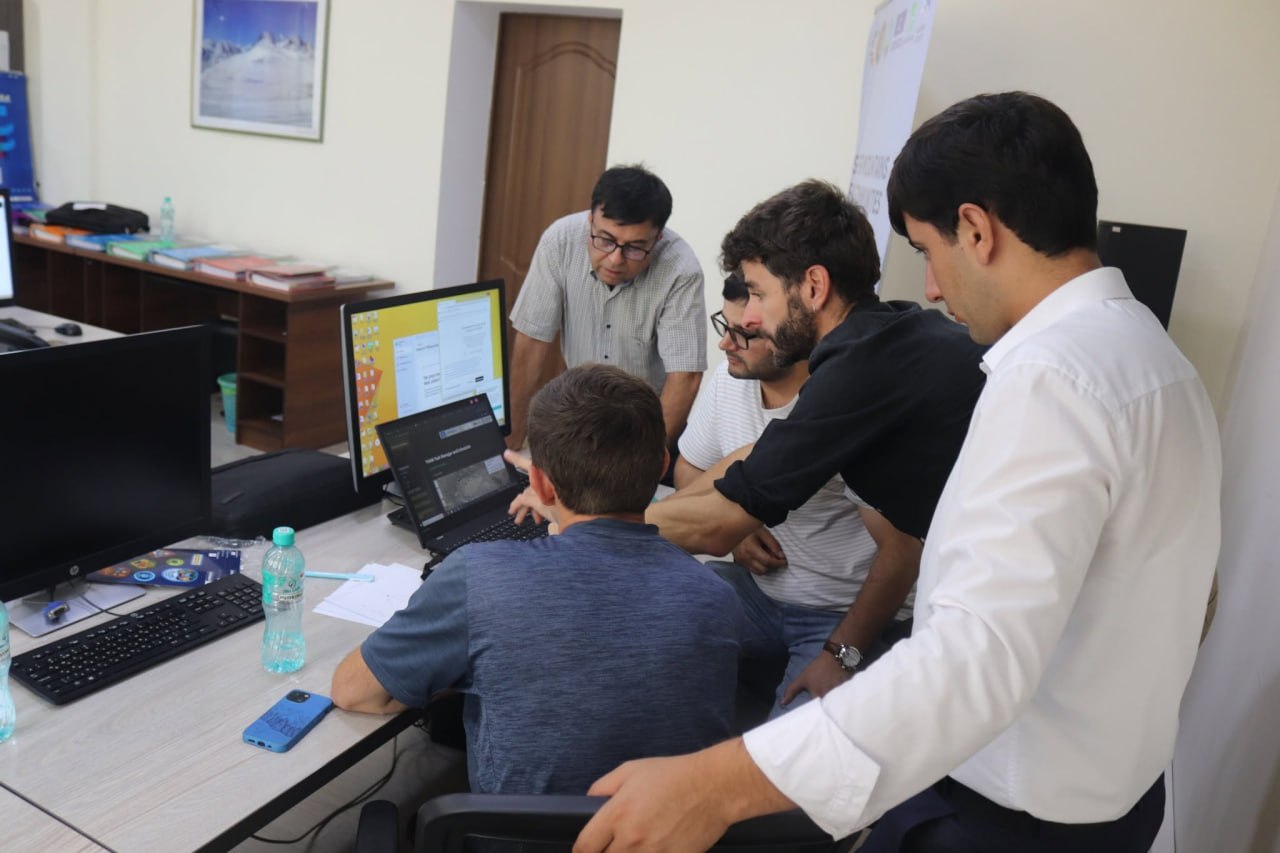
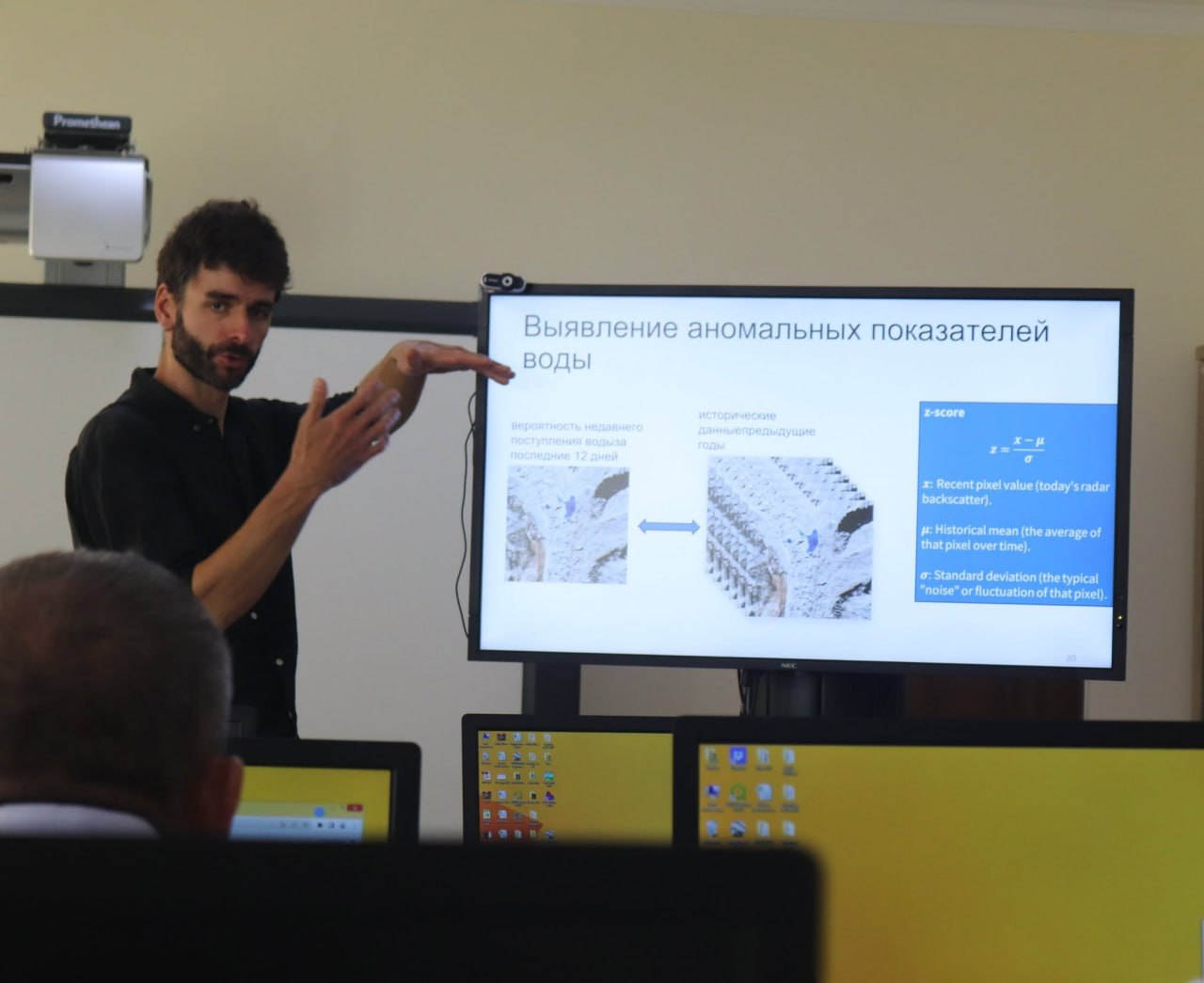
THAW is an automated surface water monitoring tool using Sentinel-1 SAR satellite data and the Google Earth Engine platform.
The tool allows for the detection of potentially dangerous changes in mountain lakes, including the potential threat of a breakthrough, and the timely identification of lakes that require further monitoring.
During the workshop, participants worked in groups and explored the use of THAW to identify potentially emerging lakes in selected glacial basins in Central Asia.
The practical part also focused on methods for verifying the obtained results and assessing the need for further monitoring of the identified water bodies.
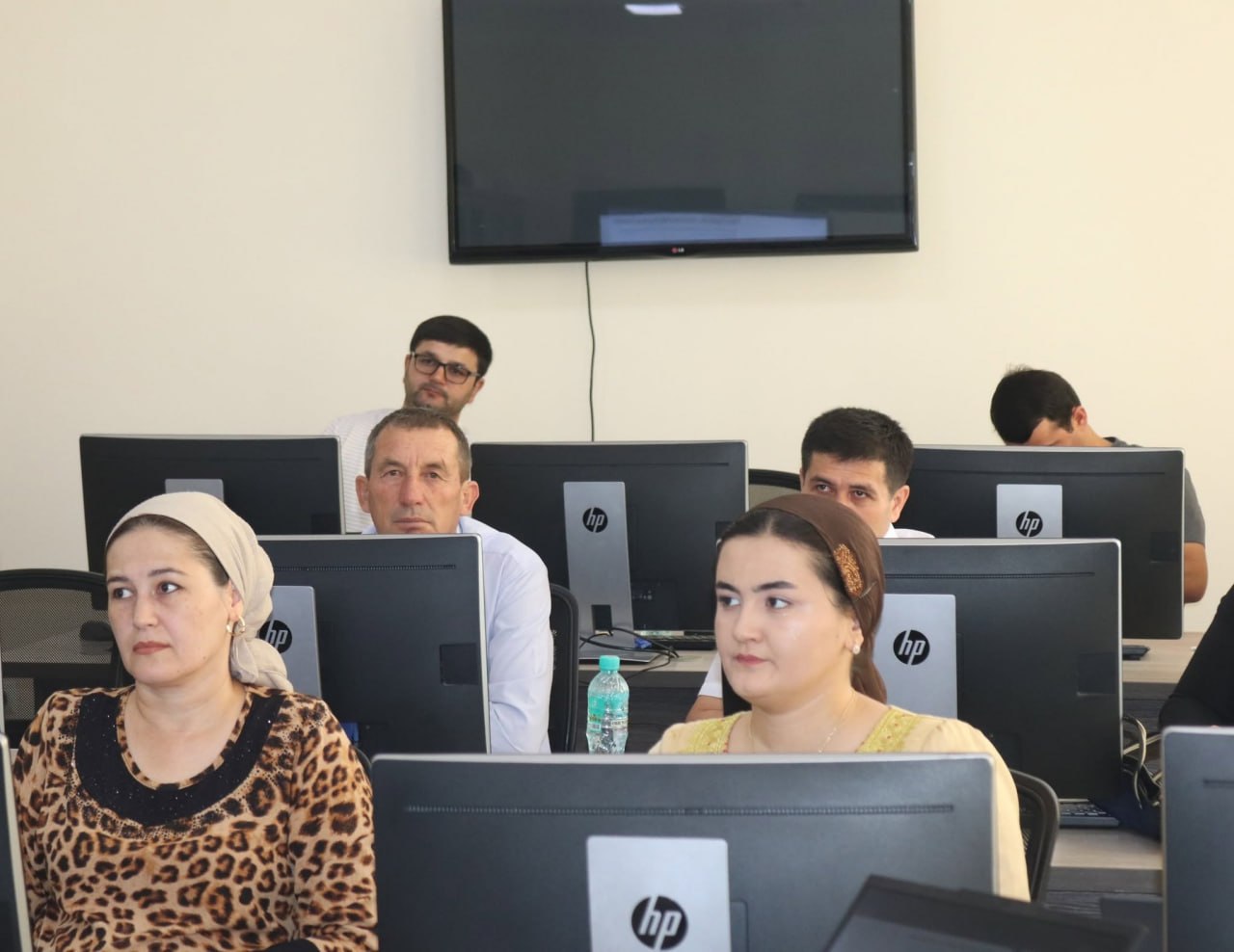
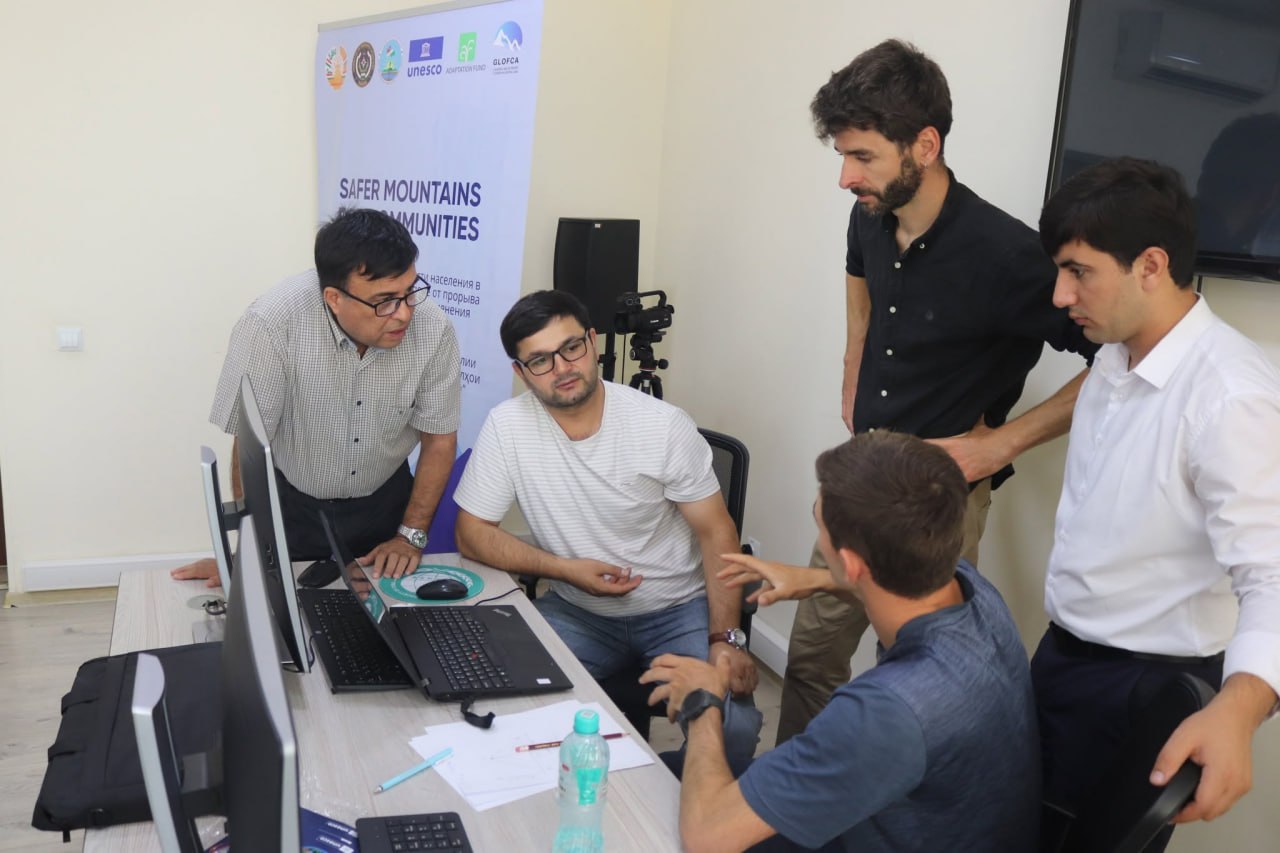
Participants focused on exchanging experiences and discussing the needs of specialists in the field of mountain lake monitoring and early warning systems for glacial lake outbursts.
The results of the discussions will contribute to the further improvement of the systems, protocols and tools developed within the GLOFCA project.
The seminar was organized by the Agency for Hydrometeorology of the Committee for Environmental Protection under the Government of the Republic of Tajikistan jointly with the UNESCO Regional Office in Almaty and the University of Zurich.
The event was held within the framework of the regional project "Reducing the vulnerability of populations in the Central Asian region to glacial lake outburst floods under climate change" (GLOFCA), implemented by UNESCO and financed by the Adaptation Fund.