Translated with AI




























On the afternoon of September 12, local time, Chinese President Xi Jinping attended the 18th BRICS Summit in New Delhi. Also present were Russian President Vladimir Putin, South African President Cyril Ramaphosa, Iranian President Masoud Pezeshkian, Egyptian President Abdel Fattah el-Sisi, Indonesian President Prabowo Subianto, Ethiopian Prime Minister Abiy Ahmed, Abu Dhabi Crown Prince Khaled bin Mohammed bin Zayed Al Nahyan, and Brazilian Foreign Minister. The meeting was chaired by Indian Prime Minister Narendra Modi.
Xi Jinping delivered a keynote speech on the topic "BRICS: Responsible Vanguard of Global Development." Xi Jinping noted that this year marks 20 years of BRICS cooperation. Over 20 years of steady growth, BRICS has demonstrated dynamic vitality and has become the world's most influential platform for cooperation among emerging markets and developing countries. These have been 20 years of independent development and strengthening. The BRICS countries, actively exploring their own development paths in accordance with their national realities, serve as a model for the consolidation and unity of emerging markets and developing countries. These have been 20 years of solidarity and mutual support. The BRICS countries, having overcome numerous challenges hand in hand, including the global financial crisis, COVID-19, and the impacts of climate change, stand guard over the interests of the Global South and infuse the world with stability and positive energy. These have been 20 years of fruitful cooperation. A historic expansion of BRICS has been achieved, and a multifaceted and multi-level structure of interaction has been created, which has allowed for a transition to a new stage of high-quality development of cooperation within Greater BRICS.
Xi Jinping emphasized that, amidst rapid changes unseen in a century, the rise of the Global South, and the irreversible emergence of a multipolar world, destructive trends—primarily unilateralism and power politics—continue to haunt us. Multilateralism and the global order are facing serious challenges. The deficit in peace, development, security, and governance is acute. The BRICS countries must firmly stand on the right side of history, boldly lead the way, and contribute to the development of a more just and rational global order in the name of building a community with a shared future for humanity.
First, BRICS countries must remain at the forefront of promoting innovative development. They should take the initiative, strengthen cooperation in AI, and support the development of open source code in a spirit of collaboration and sharing to enhance innovation and the level of practical cooperation among BRICS countries. We welcome the active participation of all BRICS countries in the Global Organization for Artificial Intelligence (GOAI). China is proposing the BRICS Initiative to Boost New Industrialization with AI and is prepared to jointly achieve new developments in research and implementation, as well as deepen cooperation in production and supply chains.
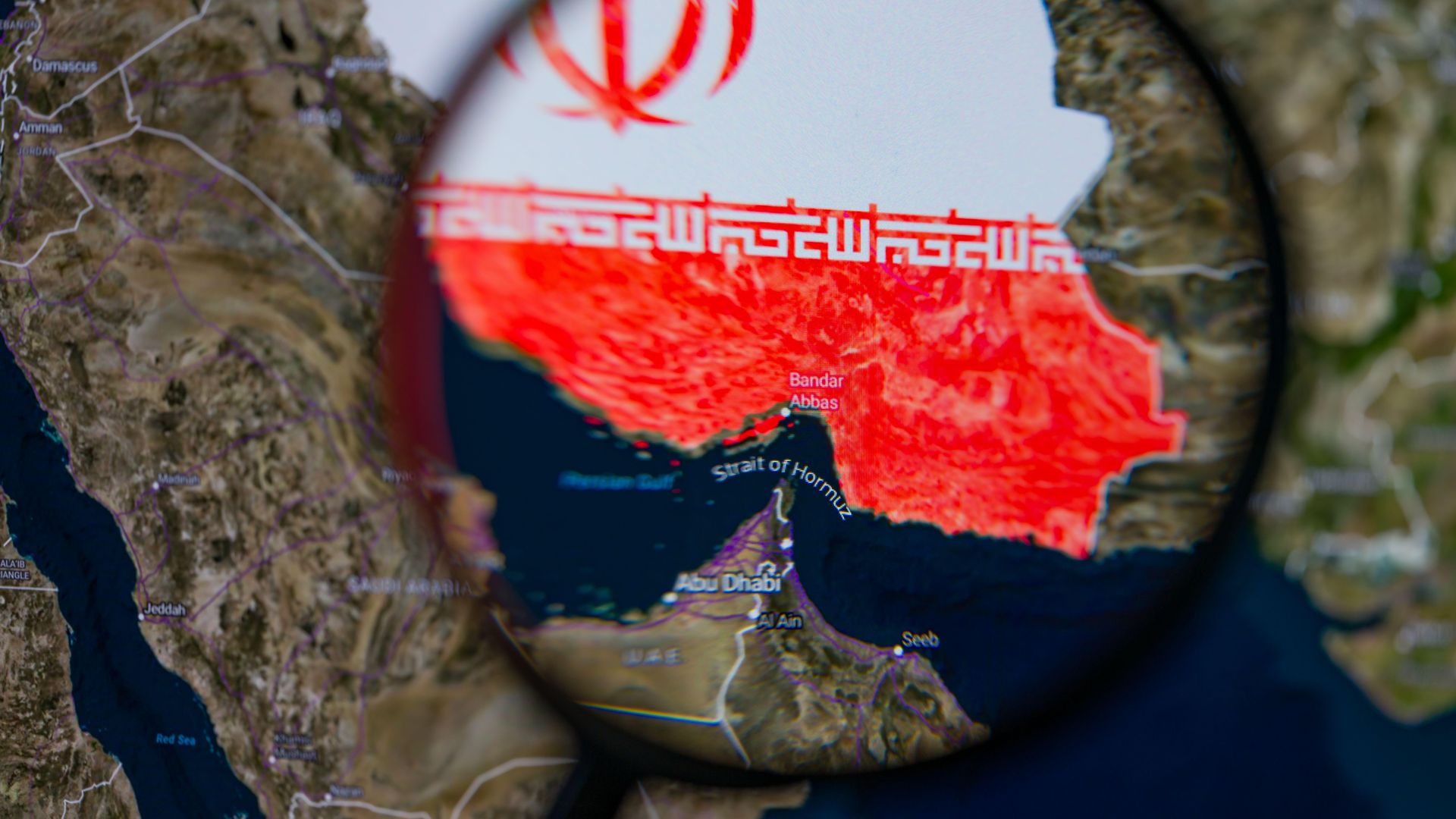
Second, BRICS countries must remain at the forefront of maintaining peace and stability. It is important to adhere to the concept of common, comprehensive, cooperative, and sustainable security, oppose Cold War mentalities and bloc-based thinking, reject actions that infringe on the sovereignty of other countries and interfere in the internal affairs of others, engage constructively in resolving hotspots, and make BRICS's unique contribution to addressing not only problems but also their root causes. China stands ready to play a constructive role with all BRICS countries in promoting peace and stability in the Middle East and the Persian Gulf region.
Third, BRICS countries must remain at the forefront of promoting inter-civilizational enrichment. It is important to develop universal human values and stimulate exchange and mutual enrichment between civilizations. The BRICS Forum on Humanitarian Exchanges should be effectively held, sharing governance experiences and inspiring relations between countries.
It is necessary to deepen cooperation in areas such as culture, tourism, and education, strengthen youth exchanges, and promote communication and mutual understanding between the peoples of our countries. Fourth, BRICS countries must remain at the forefront of transforming and improving global governance. They must pursue the trend of democratizing international relations, create a more equitable and rational system of global governance, and uphold the authority of the UN. It is essential to support the multilateral trading system under the auspices of the WTO and oppose protectionist measures in all their forms. They must play a guiding role in global governance of new frontiers, including cyberspace, outer space, and deep-sea exploration, to enhance the discursive power of countries in the Global South.
Xi Jinping stated that we have come a very difficult path over the past 20 years. Solidarity and cooperation have always been the source of energy for BRICS development. It is important to adhere to the principle of openness and sincerity, to seek common ground while respecting differences, to respect each other's key concerns, to strengthen mutual understanding and overcome differences through dialogue, and to ensure the sustainable development of BRICS cooperation over the long term. As the successor to the BRICS presidency, China will host the 19th BRICS Summit next year. China stands ready to join forces with its partners during its presidency, deepen mutual understanding, and usher in a third golden decade of BRICS cooperation and a bright future for shared development and prosperity. (The full text of the speech is published separately.)
The heads of delegation present held a thorough exchange of views on BRICS cooperation and topics on the international and regional agenda.
The meeting participants commended BRICS's achievements over the past 20 years, noting that the BRICS mechanism is broadly representative and possesses enormous development potential. In the face of escalating geopolitical conflicts and the rise of unilateralism, BRICS countries are obligated to advocate for the Global South, uphold multilateralism, support the central role of the UN, defend the sovereign equality of all states, observe international law, oppose interference in the internal affairs of other countries, promote free trade, and jointly address global challenges. They must adhere to the "BRICS spirit," deepen multifaceted cooperation, and strengthen economic resilience to foster a more just and inclusive world order and a more secure and prosperous multipolar world. China's positive contribution to the development and strengthening of BRICS was highly commended, and support was expressed for China's presidency of the 19th BRICS summit, which will elevate cooperation within the group to a qualitatively new level.
Following the meeting, the "New Delhi Declaration of the 18th BRICS Summit" was adopted. On the sidelines of the summit, BRICS leaders visited a photo exhibition dedicated to the 20th anniversary of BRICS, planted trees, and posed for a group photo. Cai Qi and Wang Yi participated in the events.