Translated with AI










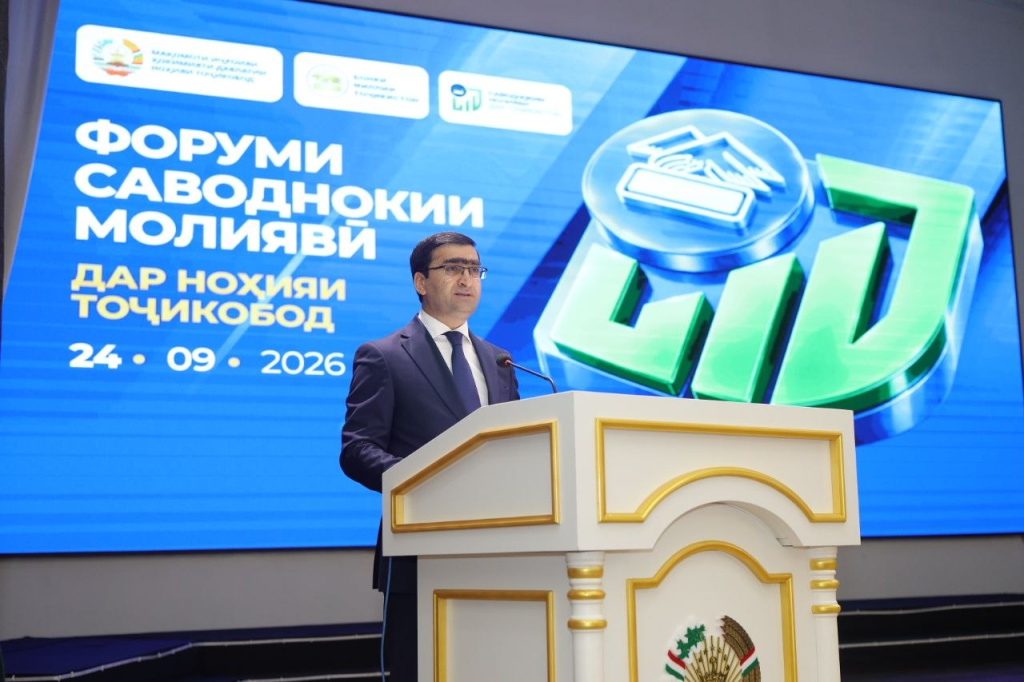



















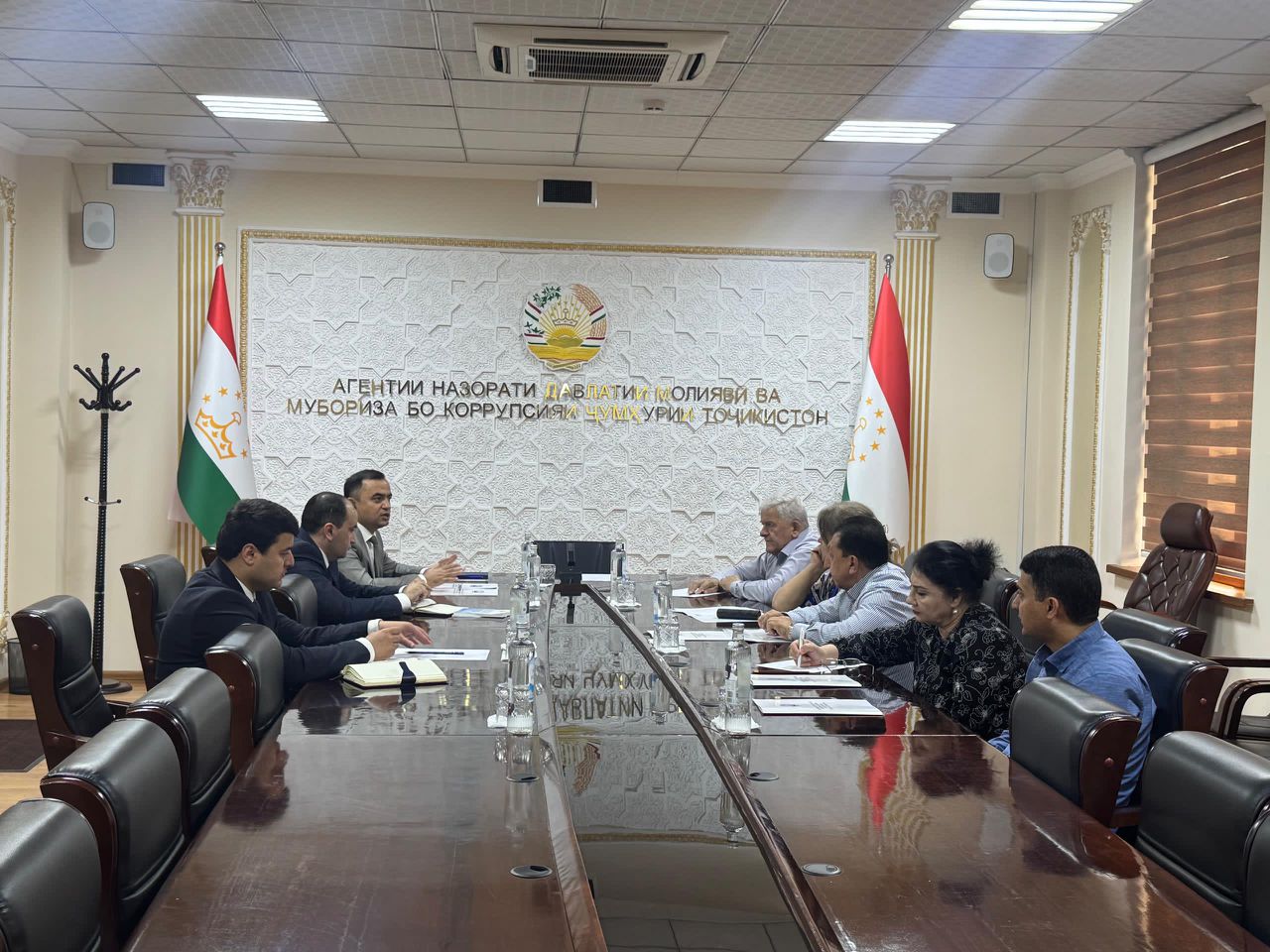
On May 26, 2026, the Agency for State Financial Control and Combating Corruption of the Republic of Tajikistan held a training seminar with representatives of the Civil Society Coalition on Transparency and Anti-Corruption, dedicated to the presentation of the Action Plan for the implementation of the State Anti-Corruption Strategy in the Republic of Tajikistan for the period up to 2030 for the second stage (2026–2030), the Agency's Press Center reported.
During the event, important aspects of the Plan were discussed, including improving national legislation in accordance with the requirements of international legal instruments, strengthening corruption prevention in areas considered most vulnerable to corruption, the participation of civil society and the media in the anti-corruption process, the implementation of e-government to eliminate the human factor, strengthening the analysis of corruption risks, as well as international cooperation in the field of preventing and combating corruption.
Particular attention was paid to strengthening cooperation between civil society representatives and government agencies in the area of combating corruption, ensuring the effectiveness of their activities in implementing strategic planning documents, and accurately presenting the country's achievements in the international arena.
Coalition representatives stated that holding such events creates a favorable foundation for ensuring sustainable development, strengthening civil society's trust in government agencies, attracting foreign investment, and improving the country's position in international rankings.
In conclusion, an exchange of experiences took place on modern ways and methods of reducing corruption, eliminating the causes and conditions that contribute to this negative phenomenon, mechanisms for implementing the recommendations of international organizations and institutions, as well as on other pressing issues in the field of combating corruption.
Representatives of the Coalition expressed their readiness for the practical implementation of the relevant points of the Action Plan for the implementation of the Strategy in the second stage (2026–2030).