Translated with AI


























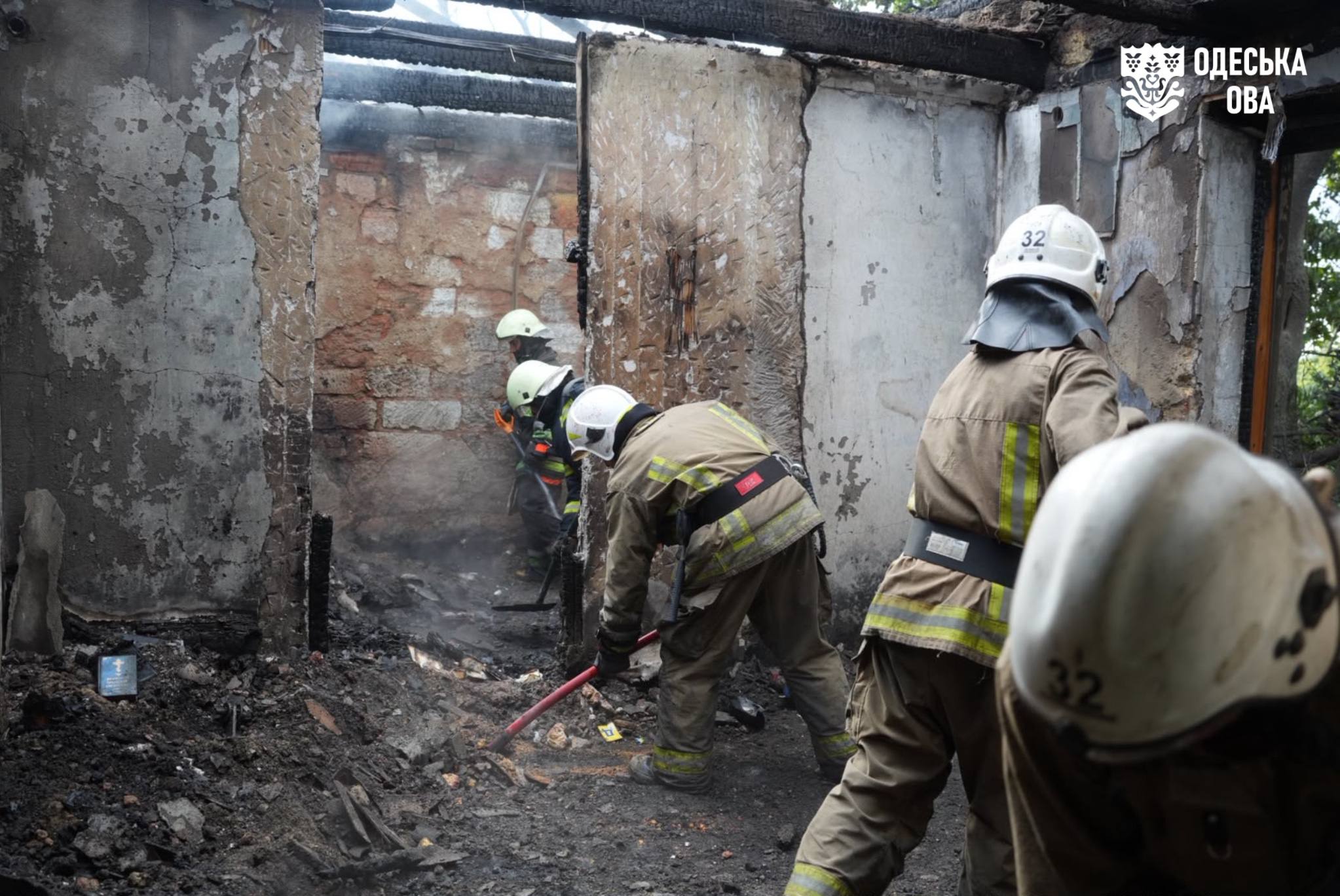
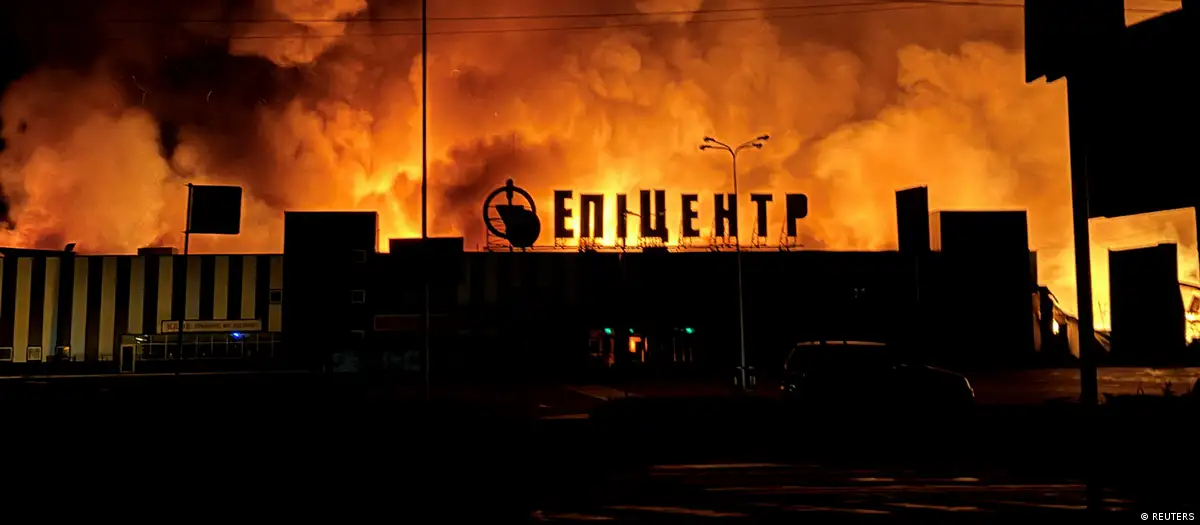
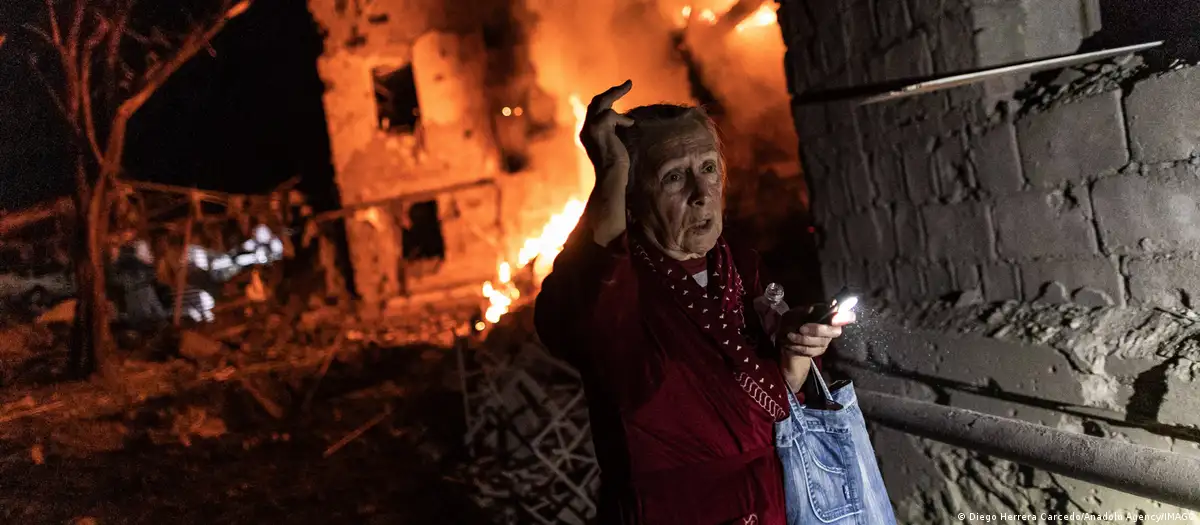


On the night of Wednesday, September 3, Russian forces launched a massive combined attack on Ukraine, using 502 Shahed-type attack drones and a simulator drone, 16 Kalibr cruise missiles, and 8 Kh-101 cruise missiles, according to units of the Ukrainian Air Force.
Western Ukraine, as well as the Kirovohrad, Chernihiv, and Kyiv regions, came under attack. According to preliminary data, the Ukrainian military managed to shoot down or suppress 451 aerial targets, including 430 drones, 14 Kalibr cruise missiles, and seven Kh-101 missiles. Three missiles and 69 attack UAVs were also recorded hitting 14 locations.
In the Kirovohrad region, railway infrastructure and residential buildings were damaged: in Znamenka, 28 houses were damaged, one was completely destroyed, and five people were injured. Ukrzaliznytsia's infrastructure was damaged, causing train delays across the country.
In western Ukraine—in the Khmelnytskyi and Ivano-Frankivsk regions—Russian air strikes caused fires, damaging residential and non-residential buildings, as well as public utilities. In Lutsk, fires erupted after drone strikes, and a private truck was completely destroyed.
In the Chernihiv region, a Russian strike hit an energy facility, leaving over 30,000 homes without power. In Kyiv, an air raid alert continued almost all night; one drone crash was recorded in the Desnyansky district, but no fires were reported.
Ukrainian President Volodymyr Zelenskyy stated that the main target of the attacks was the country's civilian infrastructure—energy and transport facilities, as well as residential buildings. He argued that Russia's strikes demonstrate impunity and require a response from the international community, primarily by putting pressure on the war economy.
Poland scrambled fighter jets amid the strikes, saying the measures were "preventative."