Translated with AI








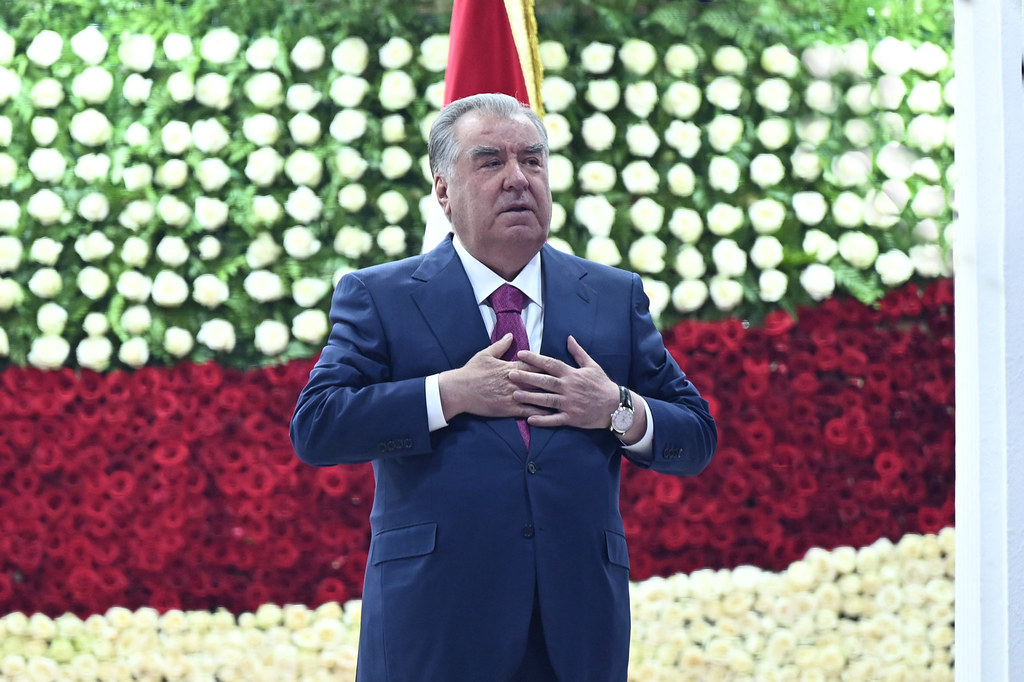















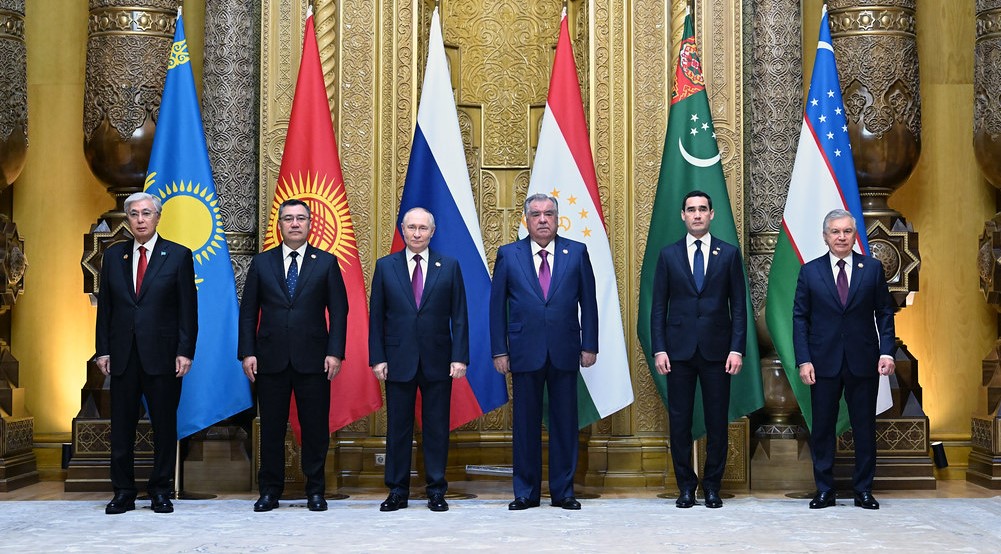
Following the second Central Asia-Russia summit, held on October 9 in Dushanbe, leaders of the region's countries and the Russian Federation signed a joint action plan for 2025–2027 and a final communiqué, Fergana.ru reports.
In their communiqué, summit participants reaffirmed their commitment to the formation of a multipolar world order, which, in their view, should ensure security, the preservation of cultural and civilizational identity, and equal opportunities for all states. The foundation of such an order is described as "the diversity of development models among states, the indivisibility of security, and strict adherence to all principles of international law in accordance with the UN Charter."
The leaders agreed to further strengthen cooperation in the fight against terrorism, extremism, illegal migration, and drug trafficking. Particular attention was paid to the situation in Afghanistan, where summit participants will continue to coordinate efforts to ensure peace and stability, considering this the most important factor in security in Central Asia. The importance of the Commonwealth of Independent States as an effective platform for regional cooperation was also reaffirmed.
In the economic sphere, the main focus was on removing trade barriers and developing transport and logistics infrastructure, including the North-South transport corridor. The parties intend to deepen economic ties, create stable production chains, and attract investment. The role of the Eurasian Development Bank and the Eurasian Fund for Stabilization and Development was noted as key in financing projects and maintaining economic stability. The importance of expanding settlements in national currencies was also discussed.
Priority areas of cooperation include digital trade, the use of artificial intelligence, low-emission energy, and industrial cooperation.
In the humanitarian sphere, the leaders emphasized the importance of deepening ties in culture, education, science, sports, and tourism. Summit participants welcomed the establishment of the International Russian Language Organization.
In the area of migration, the parties reaffirmed their commitment to ensuring the security, rights, and legitimate interests of citizens of the region within each other's territory, emphasizing the need to optimize public safety mechanisms and create decent working conditions.
The Joint Action Plan for 2025–2027 will be monitored through regular meetings of foreign ministers. The results of its implementation will be presented at the third Central Asia–Russia Summit, which will be held in 2027 (location still unknown).
The summit was attended by the presidents of Kazakhstan Kassym-Jomart Tokayev, Kyrgyzstan Sadyr Japarov, Russia Vladimir Putin, Tajikistan Emomali Rahmon, Turkmenistan Serdar Berdimuhamedov, and Uzbekistan Shavkat Mirziyoyev.
In his speech, Vladimir Putin reaffirmed Russia's intention to strengthen its strategic partnership with the countries of Central Asia, noting the region's significant untapped economic potential. The Russian President highlighted the growth of trade turnover with the five countries, which has exceeded $45 billion, and highlighted opportunities for increasing industrial cooperation, attracting investment, and actively transitioning to settlements in national currencies.
Particular attention was paid to the development of common infrastructure projects, including the North-South and East-West transport corridors, energy projects, the construction of nuclear power plants and the modernization of hydroelectric power plants.
The Russian President emphasized the unity of Russia and Central Asian countries' approaches to key international issues, including stabilizing the situation in Afghanistan, resolving the Palestinian-Israeli conflict, and finding a peaceful solution to the Iranian nuclear issue.
The partnership was based on strong humanitarian ties, including the education of more than 212,000 students from the region in Russia, the opening of Russian-language schools, and branches of 25 Russian universities in Central Asia.