Translated with AI

















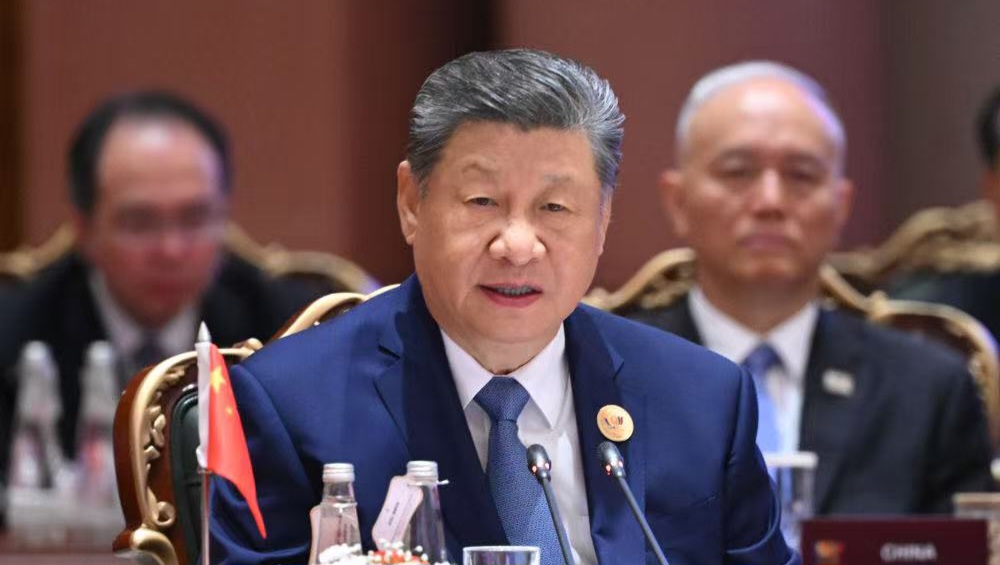






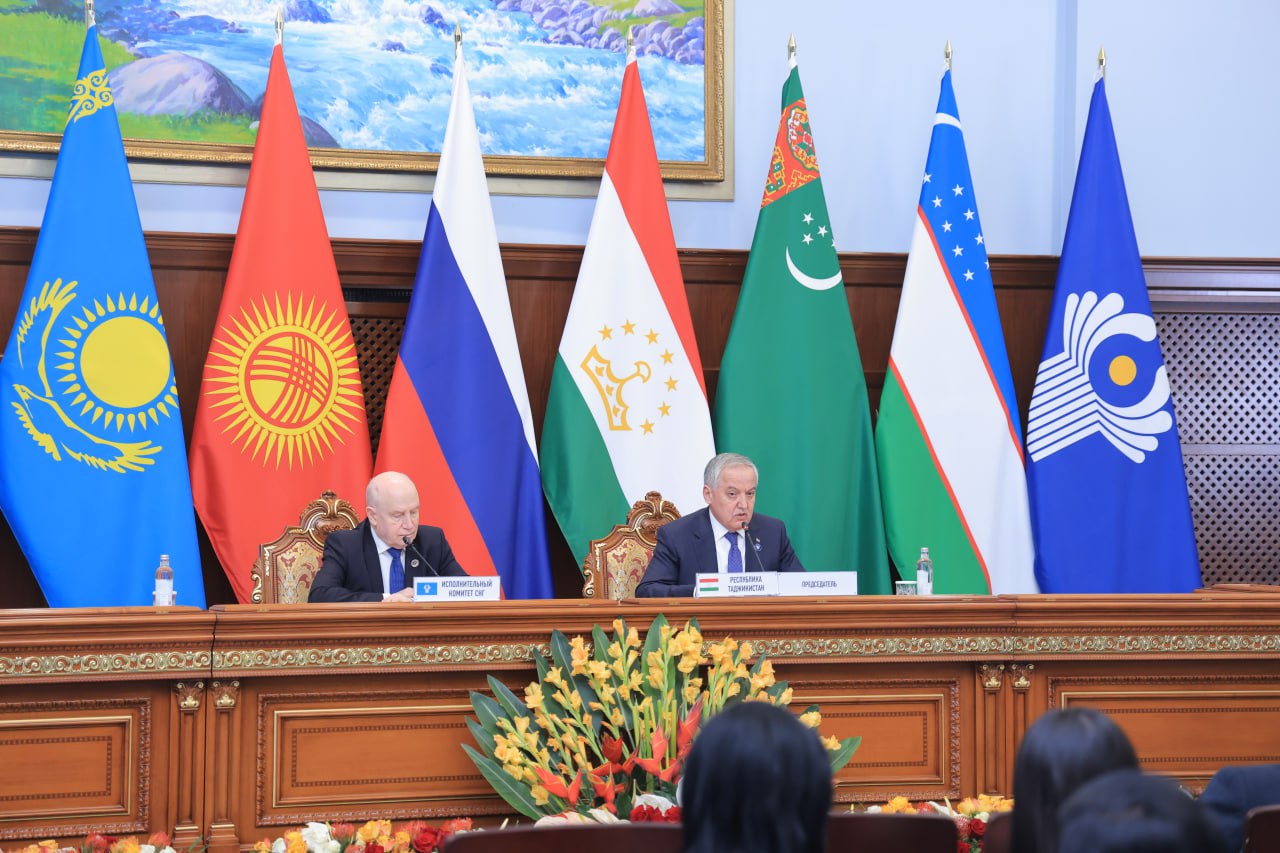
Today, a press conference was held in Dushanbe following the meeting of the Council of Heads of State of the Commonwealth of Independent States (CIS), where the key decisions and outcomes of the summit were announced. This was reported by the Ministry of Foreign Affairs of Tajikistan.
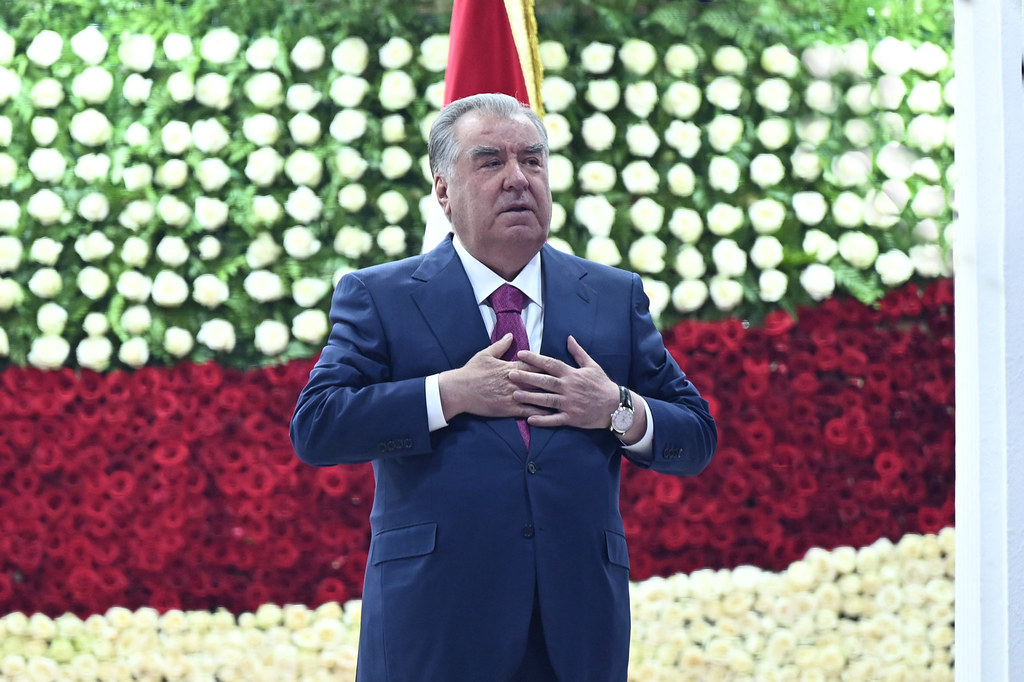
Presenting the positions and agreements of the leaders of the participating countries, a whole series of important statements and adopted documents were presented on behalf of the President of the Republic of Tajikistan, Emomali Rahmon, the current Chairman of the Council of Heads of State of the CIS.
The summit negotiations were held in a constructive and businesslike atmosphere. The leaders emphasized their shared positions on many international and regional issues and expressed their readiness to further strengthen political dialogue, trade and economic cooperation, and expand humanitarian and cultural ties within the Commonwealth.
In his speech, President Rahmon summarized the results of Tajikistan's chairmanship in 2025. During the year, the republic held numerous events in the areas of politics, security, economics, transportation, culture, sports, and youth policy.
Key achievements include promoting a positive image of the CIS internationally and strengthening cooperation with the UN, SCO, CSTO, and other organizations. In particular, Tajikistan initiated the adoption of a UN General Assembly resolution "On UN Interaction with the CIS."
At the summit, participating states agreed to establish a new "CIS Plus" format and grant the Shanghai Cooperation Organization (SCO) observer status within the CIS. These decisions, according to the participants, are intended to strengthen the Organization's international activity and bolster its position on the global stage.
In the economic sector, the achievements of Tajikistan's chairmanship include the approval and adoption of the second stage of the Action Plan for the Implementation of the CIS Economic Development Strategy until 2030, the endorsement of the Industrial Cooperation Concept, and the signing of an intergovernmental agreement on the development of heavy engineering, initiated by Tajikistan. In the energy sector, the summit participants adopted a Declaration on Cooperation in Regional Energy Security.
Tajikistan also promoted transport integration: on its initiative, the "Strategy for the Digitalization of the Main Multimodal Transport Corridors of the CIS Member States" was developed, which was approved at a meeting of the CIS Council of Heads of Government on September 29 in Minsk.
In an expanded format, the heads of state discussed the results of the CIS Human Rights Commission's activities over the past three years. Following the summit, joint statements were adopted, including those dedicated to the 80th anniversary of the UN and the 40th anniversary of the Chernobyl disaster.
In the area of security, the leaders approved the Cooperation Program to Counter Terrorism and Extremism for 2026–2028, the Program for Strengthening Border Security of External State Borders (2026–2030), and the Concept of Military Cooperation until 2030.
Summit participants emphasized that, in today's world, global challenges and threats can only be overcome through joint efforts. The adopted documents aim to further strengthen trust, cooperation, and solidarity within the CIS. The summit reaffirmed the CIS's status as a stable platform preserving traditions of dialogue and interstate cooperation.
Furthermore, today, CIS Secretary General Sergei Nikolaevich Lebedev was officially appointed for another term. The leaders expressed their wishes for his continued success and dedication to his work for the benefit of the Society.
Effective January 1, 2026, Turkmenistan will assume the CIS presidency. This transition will be accompanied by comprehensive cooperation from Tajikistan and its member states.
At the conclusion of the official part, the Chairman of the Council of CIS Heads of State, President of Tajikistan Emomali Rahmon, was awarded the medal "For Merits in the Development of Humanitarian Cooperation" by the Interstate Fund for Humanitarian Cooperation of the CIS.
Thus, the results of the Dushanbe summit reflect the desire of the CIS countries to deepen integration, strengthen the international status of the Organization, and consolidate efforts in response to modern challenges.