Translated with AI

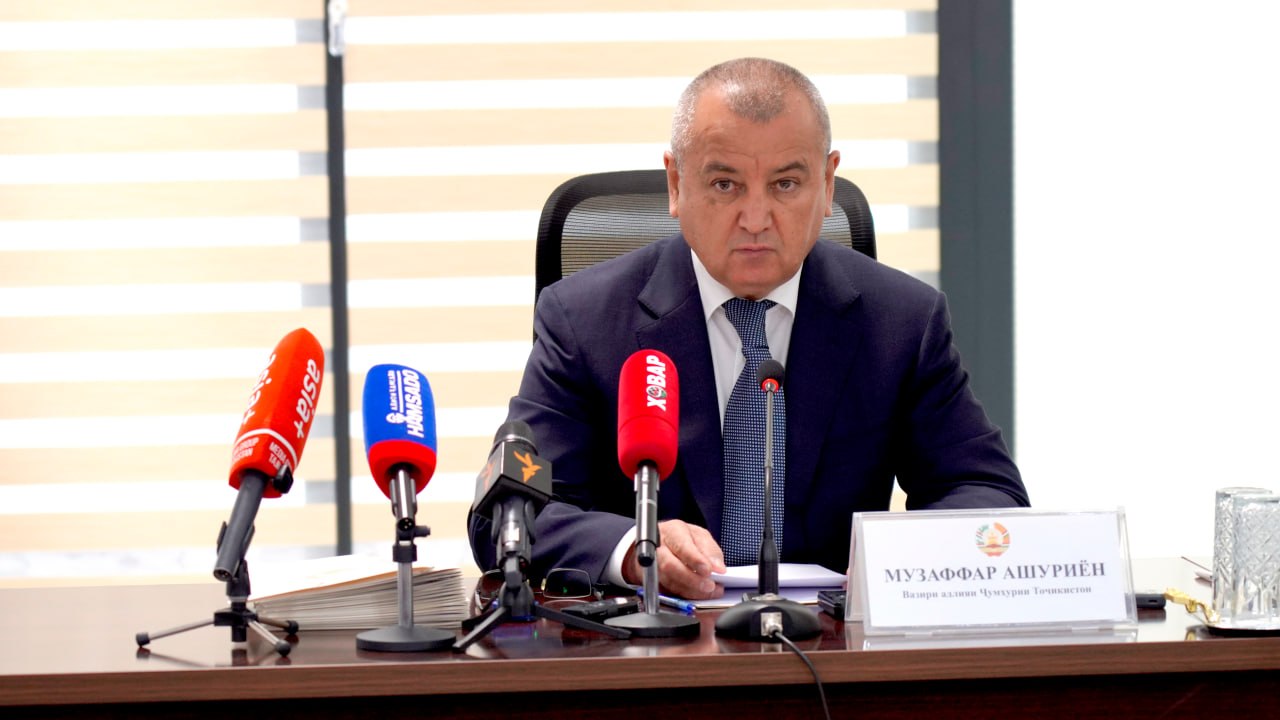
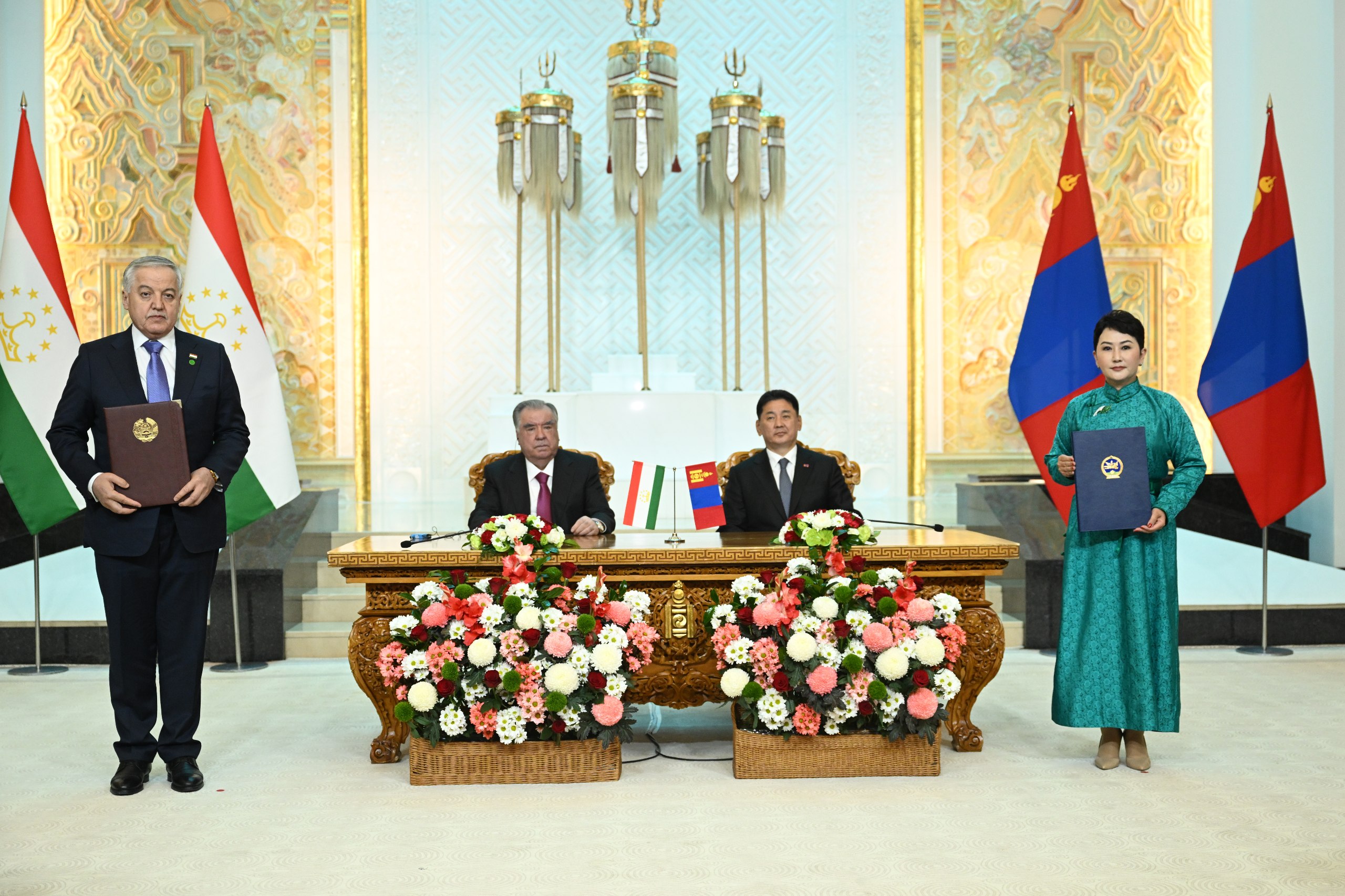


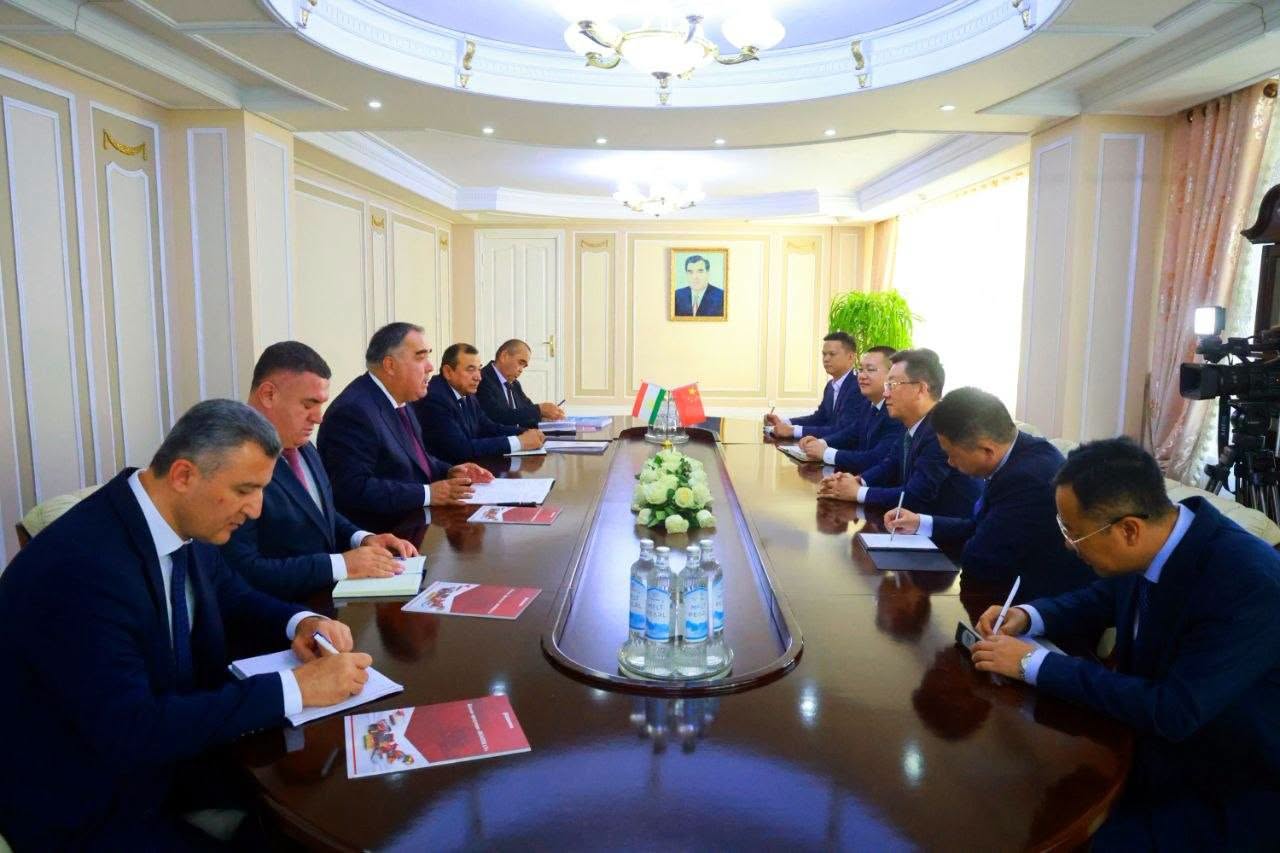




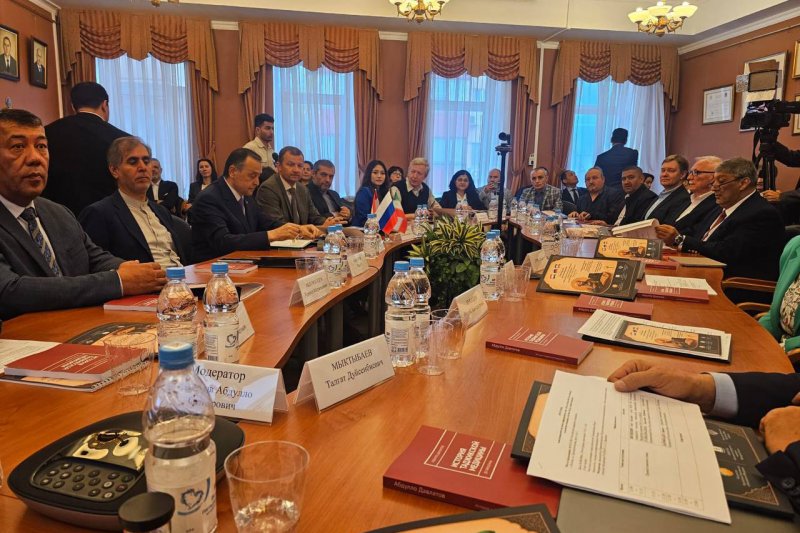



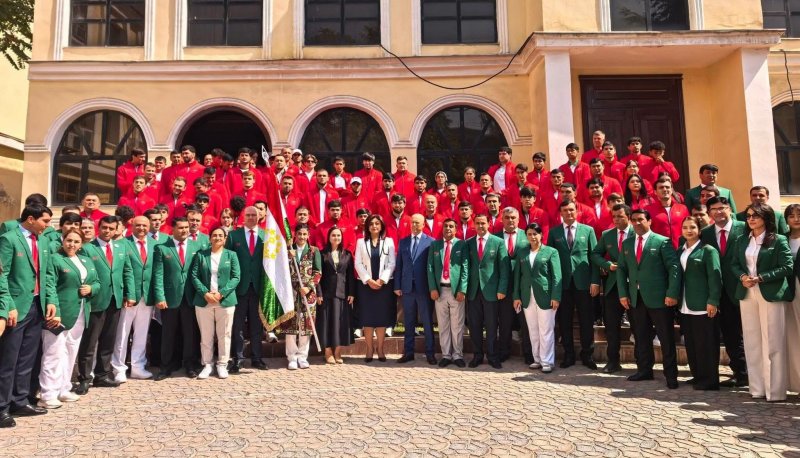








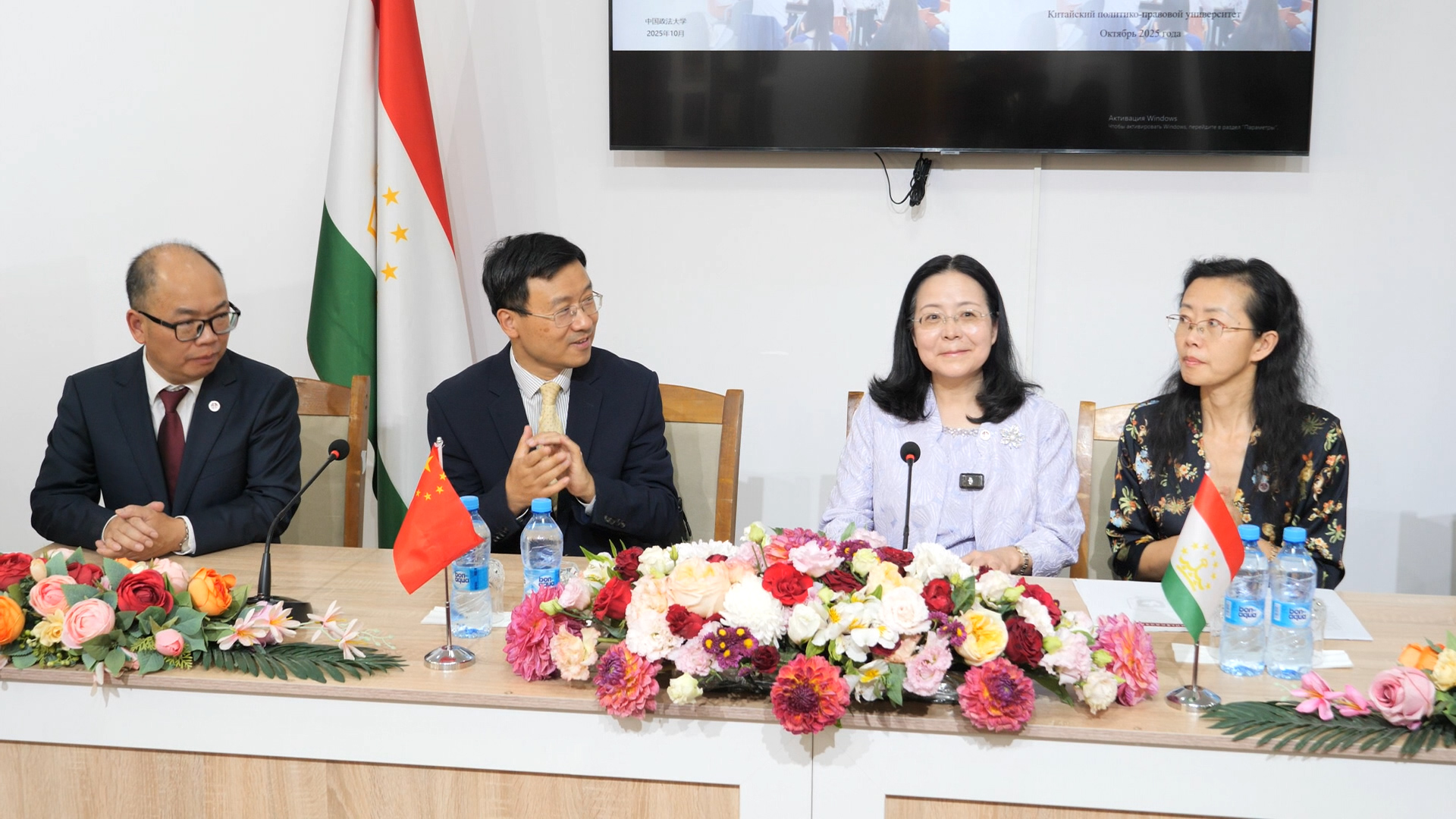
A delegation from the China University of Political Science and Law in Beijing visited the Tajik National University. The purpose of the visit was to strengthen bilateral academic cooperation, develop scholarly ties in law and public administration, and exchange experiences on judicial reform and building a rule-of-law state.
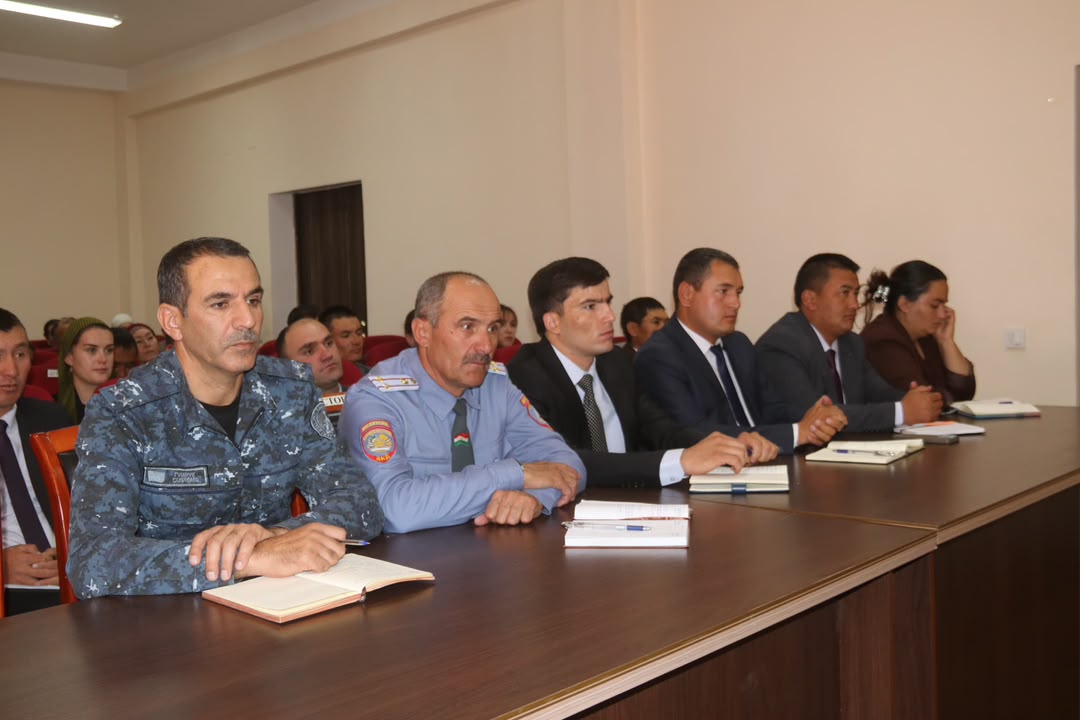
During the meeting, which was attended by experts, faculty, and students, an exchange of lectures took place on the topic of "The Process and Experience of Judicial Reform in China." Professor Song Qiuhong, a renowned Chinese expert in constitutional and administrative law, delivered the keynote address.
Professor Song Qiuhong spoke in detail about the stages and characteristics of judicial reform in China, from the beginning of the transformation in the late 20th century to its current achievements. He emphasized that the key areas of reform included enhancing judicial independence, ensuring transparency in judicial proceedings, and strengthening public trust in the judicial system.
According to the professor, China is actively introducing modern technologies into judicial proceedings, including electronic platforms and intelligent systems for case processing. The fundamental principles of reform remain fairness, professionalism, and openness.
Tajikistan's delegation included faculty and students from the Faculty of Law of the Tajik National University, representatives of the academic community, and invited experts. The participants discussed the dynamics of judicial reforms in both countries, common challenges, and prospects for improving judicial systems in the context of globalization and digital transformation.
Following the lectures, an academic forum was held on the topic of "Exchange and Mutual Learning on the Rule of Law and Civilizations between China and Tajikistan." The forum became an important platform for open dialogue between universities, where issues of the rule of law, the development of a legal culture, and the strengthening of international cooperation in education and research were discussed.
Participants emphasized that the rule of law is the fundamental basis for the sustainable development of any state. Representatives of the Tajik National University noted the importance of studying Chinese experience, particularly in terms of improving the legal system, enhancing the effectiveness of judicial institutions, and ensuring citizens' rights.
The Chinese side expressed its readiness to further expand cooperation in the field of legal education, joint research, academic exchanges between teachers and students, as well as the preparation and publication of joint scientific papers.
The visit resulted in a mutual reaffirmation of the parties' commitment to strengthening the partnership between Tajik National University and the China University of Political Science and Law. The participants expressed confidence that such academic contacts will contribute to the development of mutual understanding, strengthen professional ties, and establish a solid foundation for further collaboration in science and education.
The Chinese delegation's visit is part of a broader cooperation program, including meetings with representatives of government agencies, research centers, and educational institutions in Tajikistan. The holding of such events demonstrates the high level of trust and interest in developing partnerships between the Republic of Tajikistan and the People's Republic of China.
At the end of the meeting, the leadership of the Tajik National University expressed gratitude to their Chinese colleagues for the constructive dialogue and emphasized that the agreements reached create new opportunities for expanding educational and scientific ties between the two countries.