Translated with AI

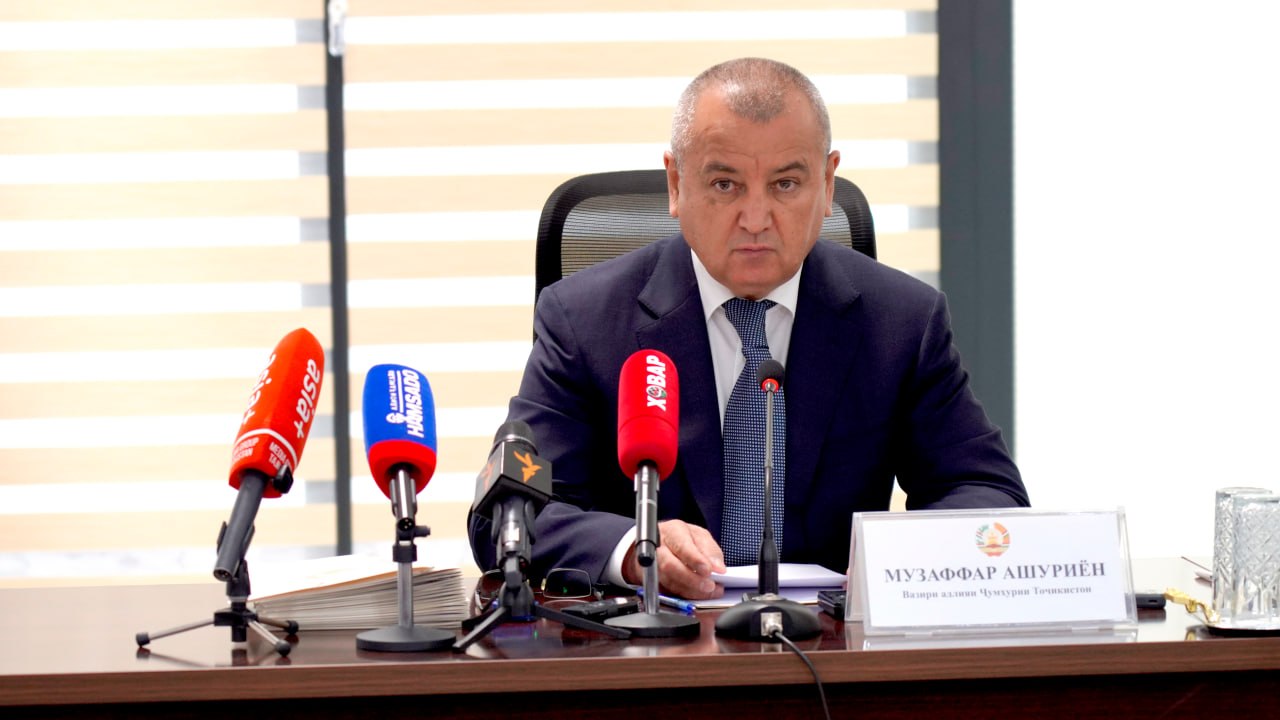
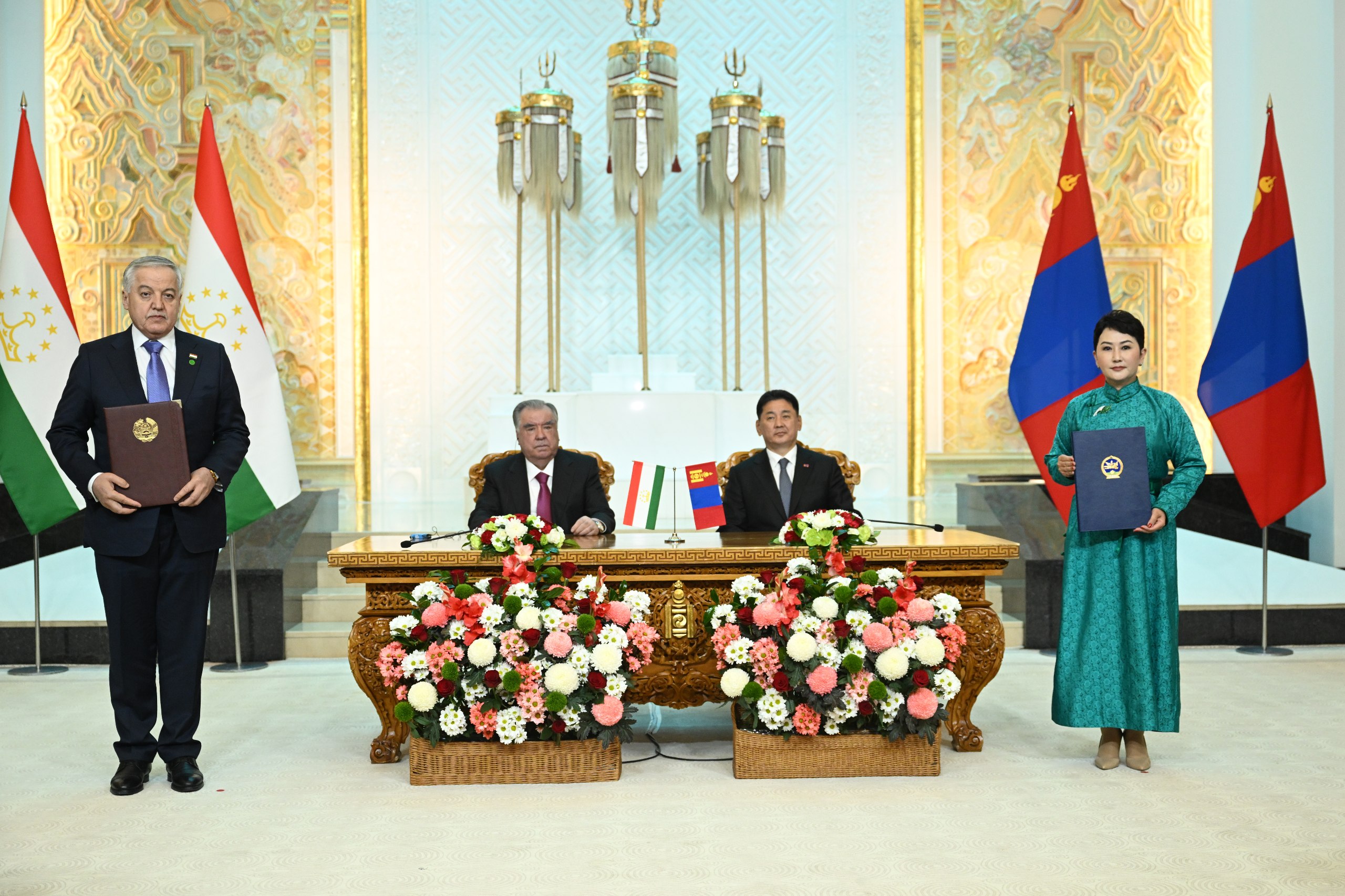


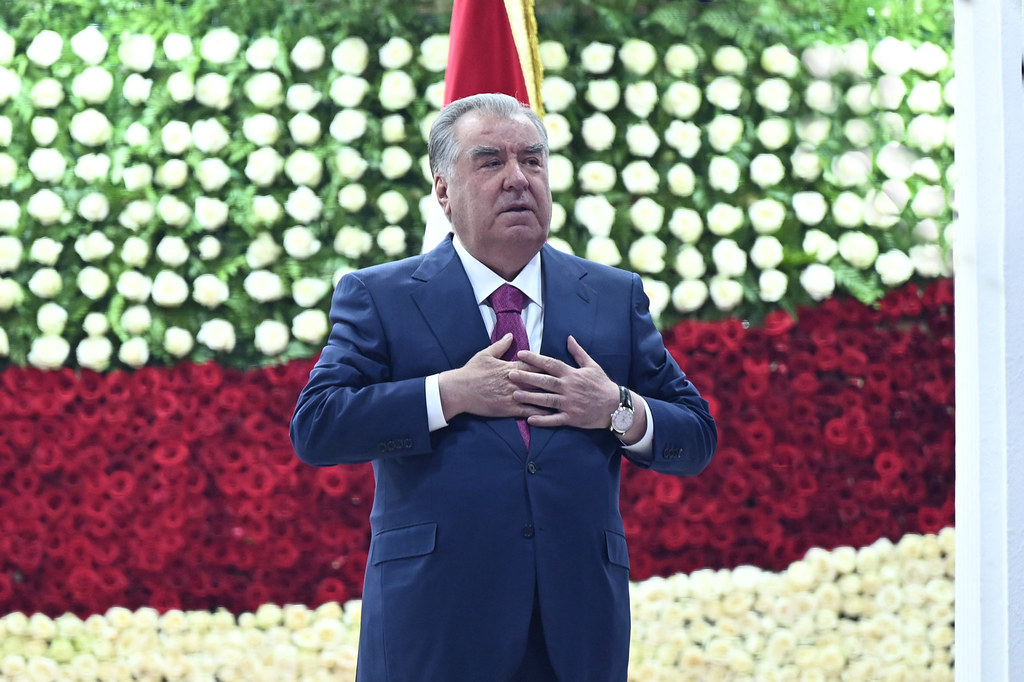
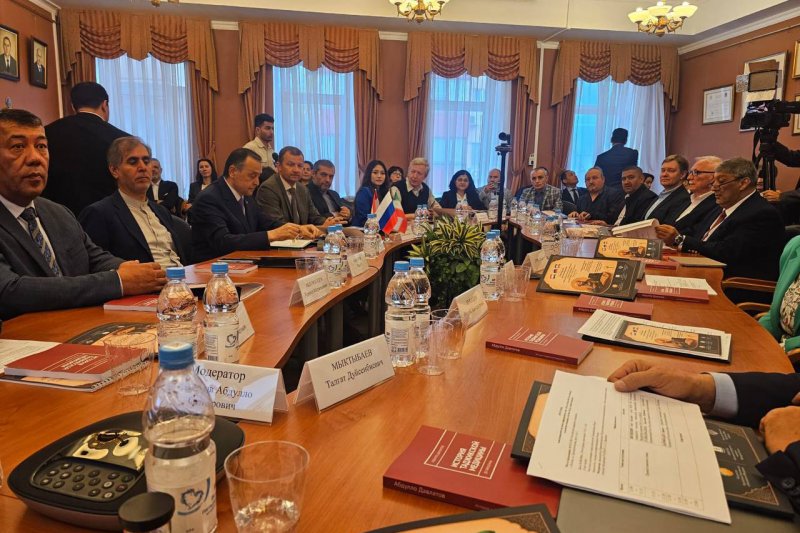

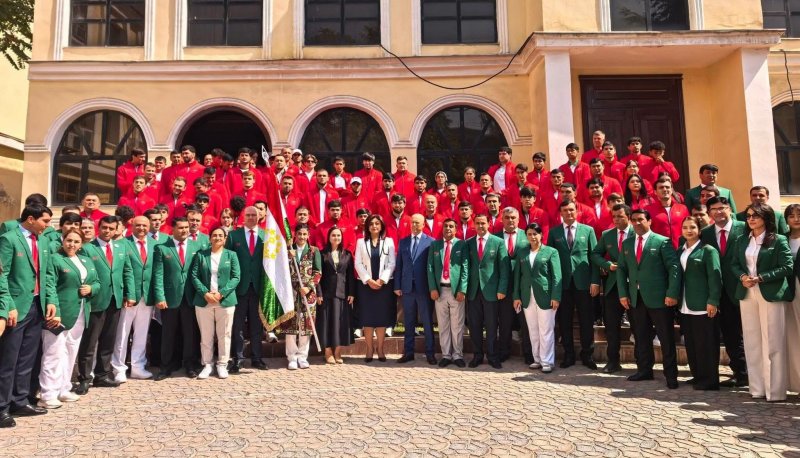

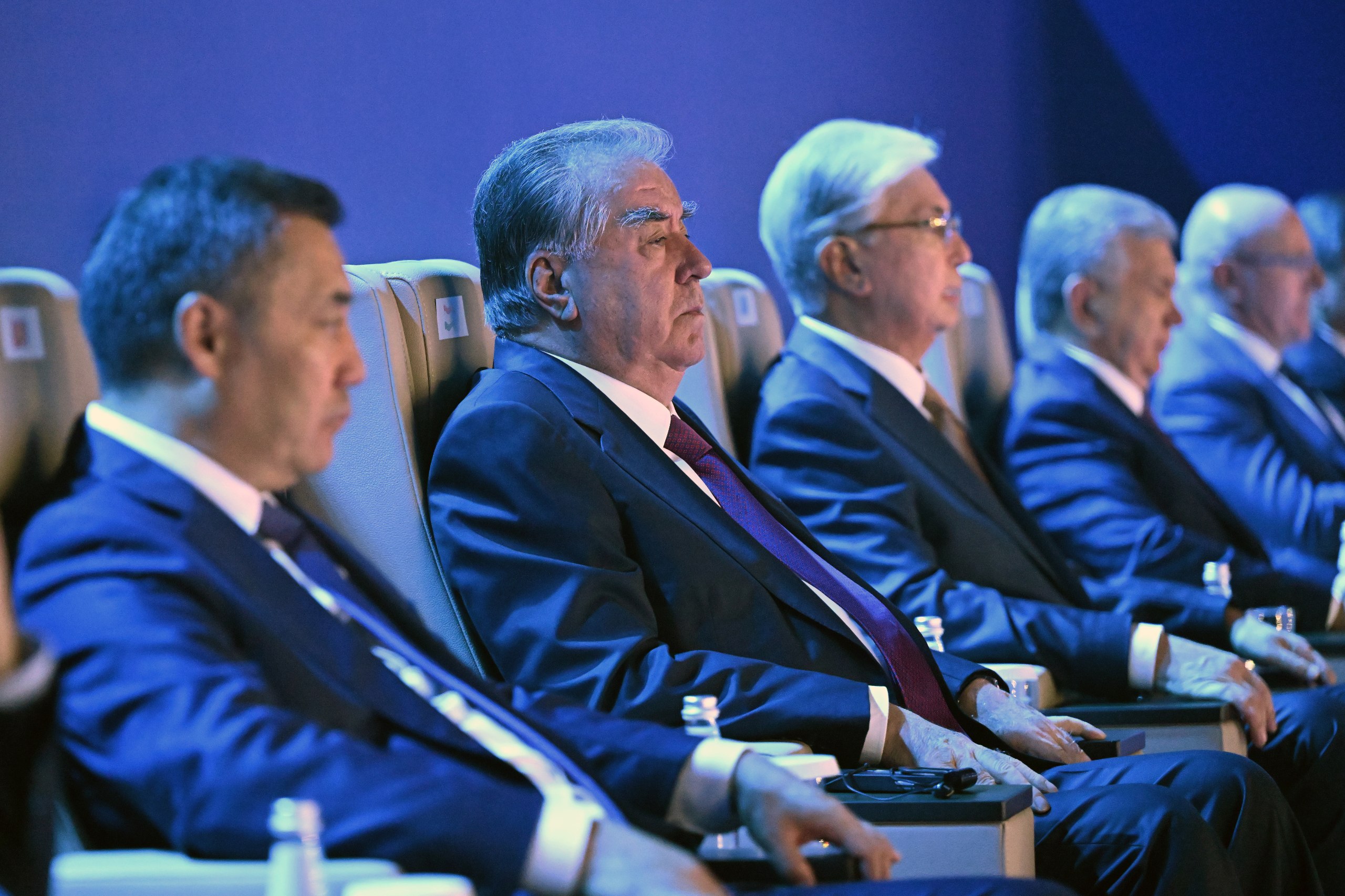



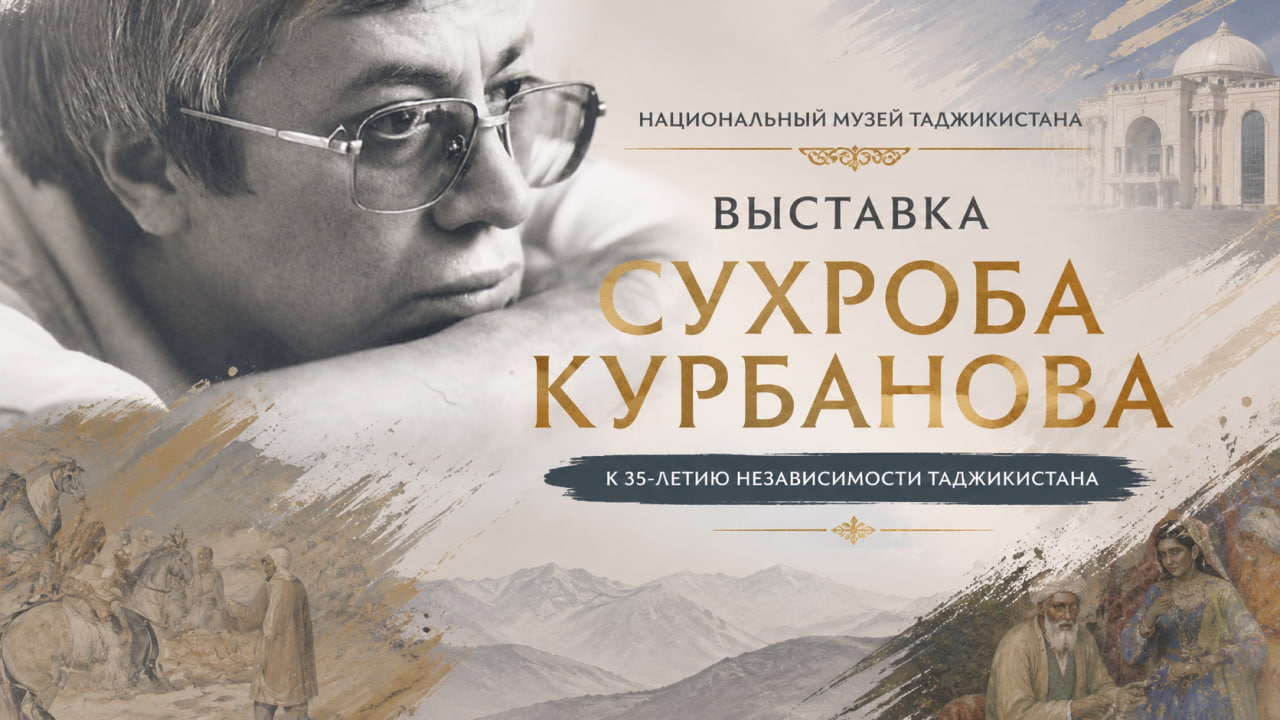
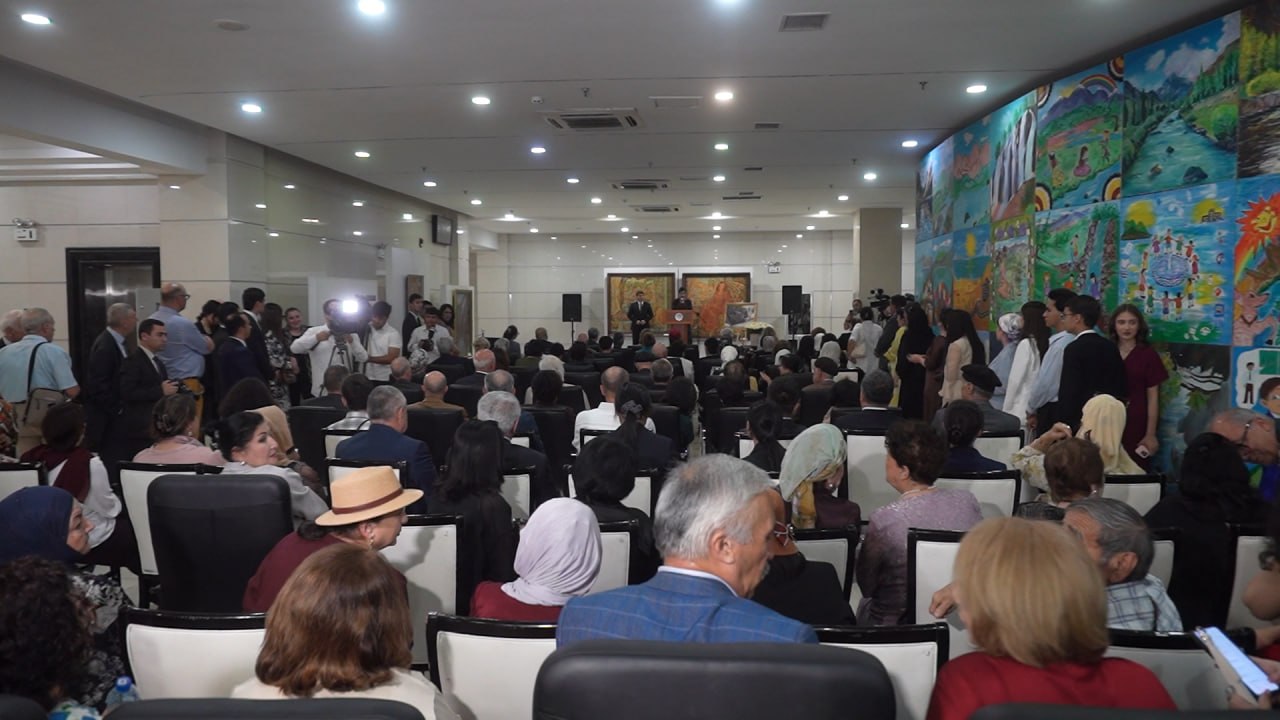
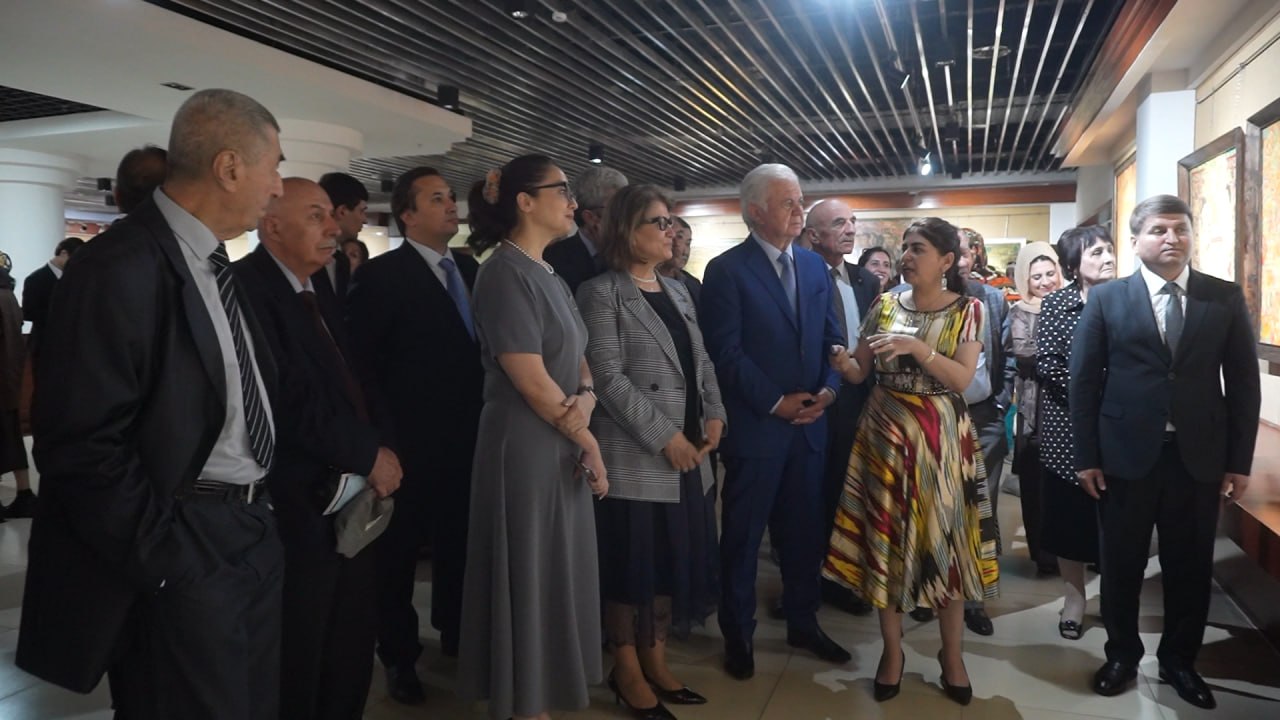
On May 22, the National Museum of Tajikistan held the grand opening of a large-scale exhibition dedicated to the 35th anniversary of Tajikistan's state independence and the memory of the outstanding Tajik muralist Sukhrob Usmanovich Kurbanov. The exhibition, located on the museum's third floor, became one of the year's notable cultural events, bringing together representatives of the country's political, cultural, and creative elite.
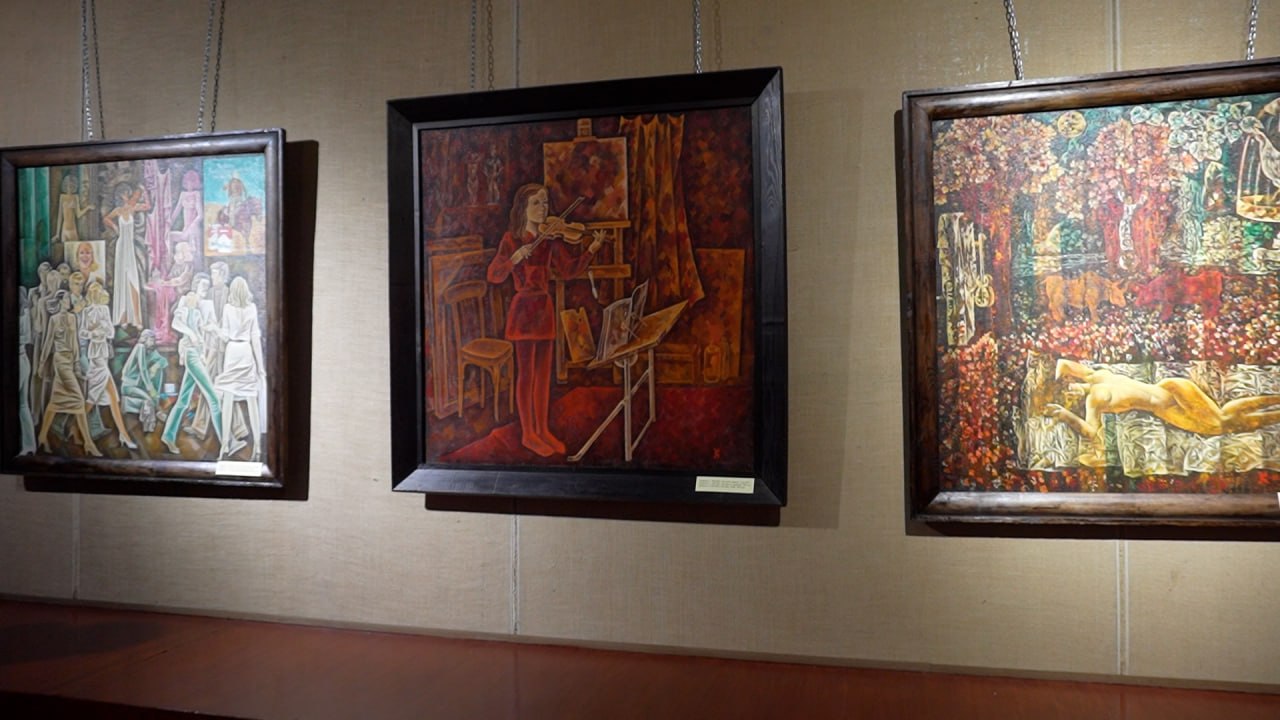
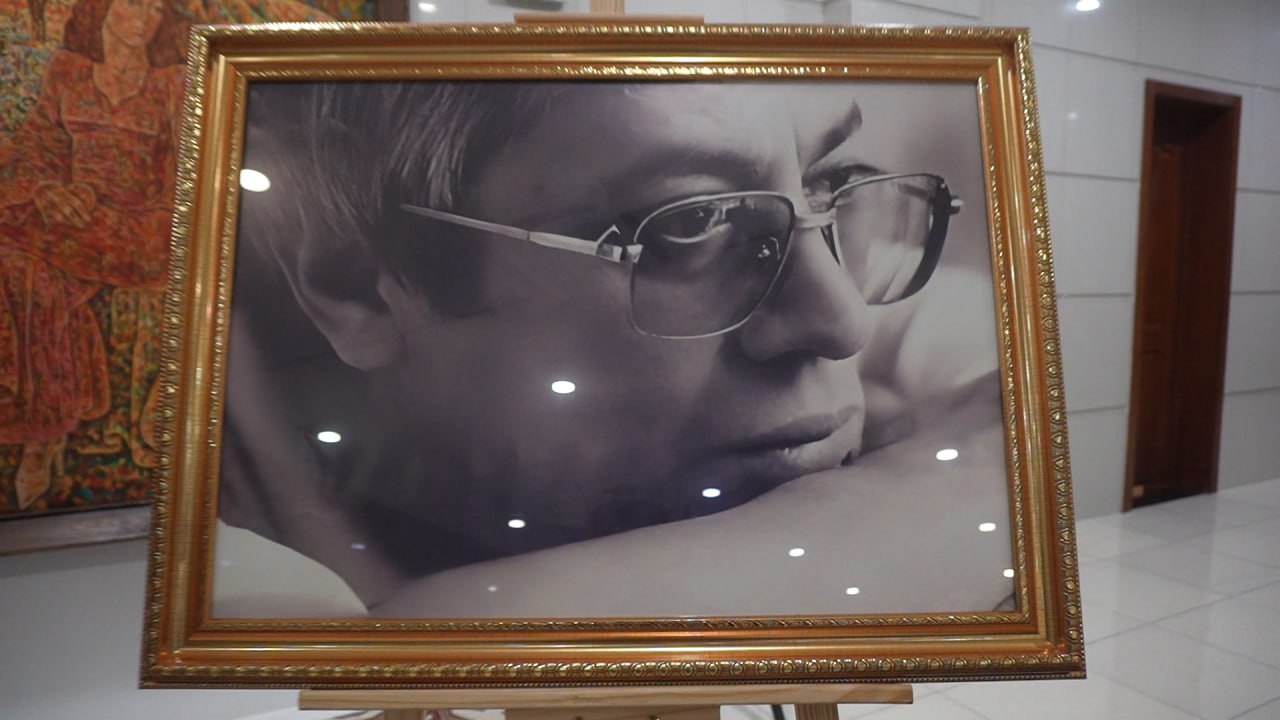
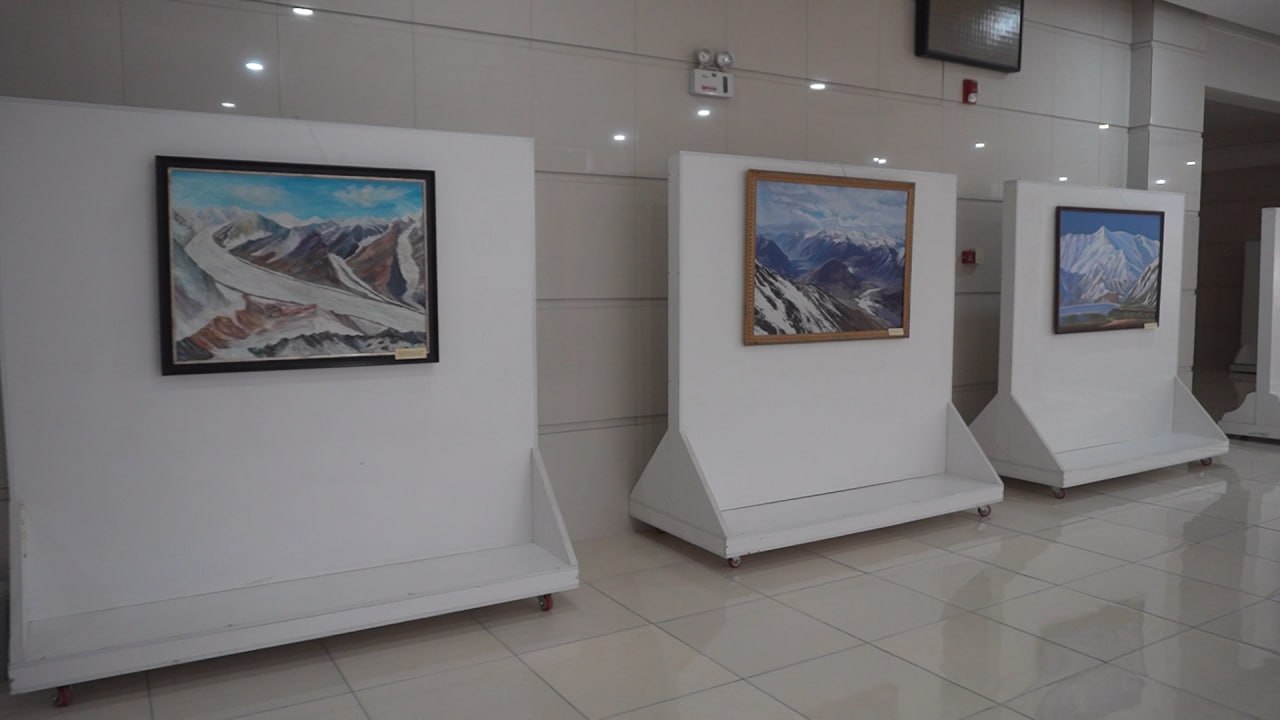
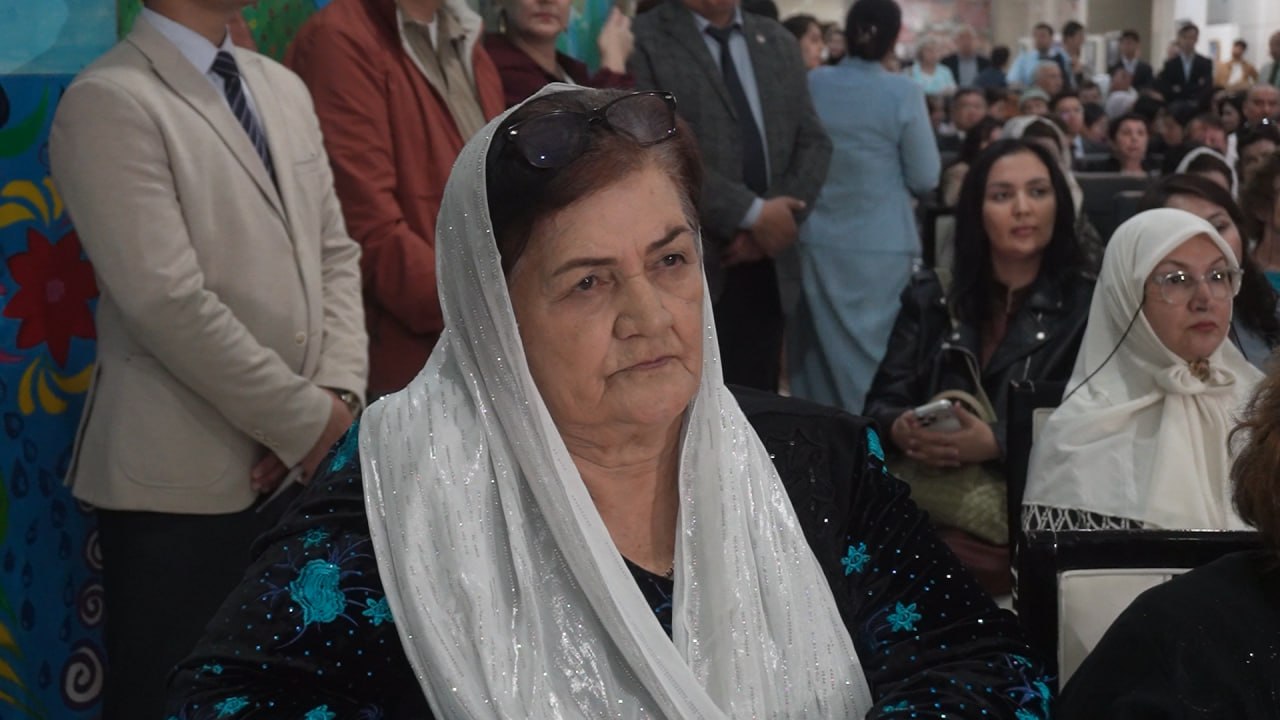
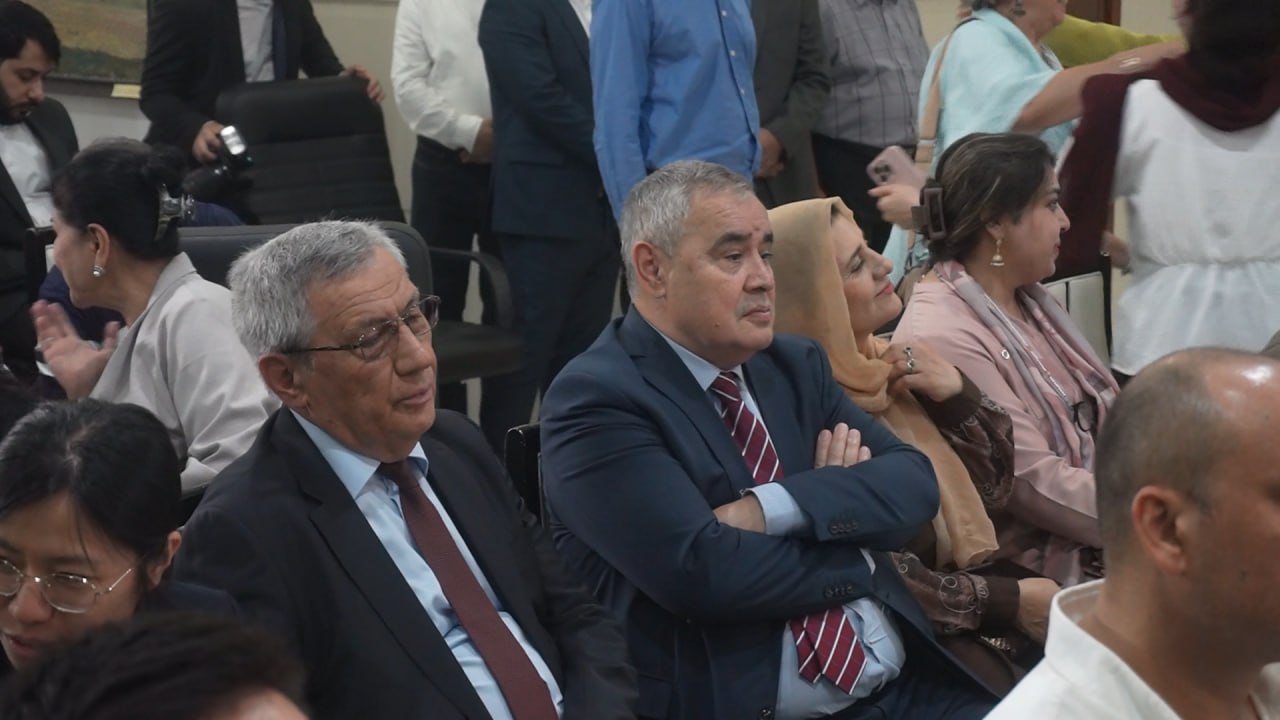
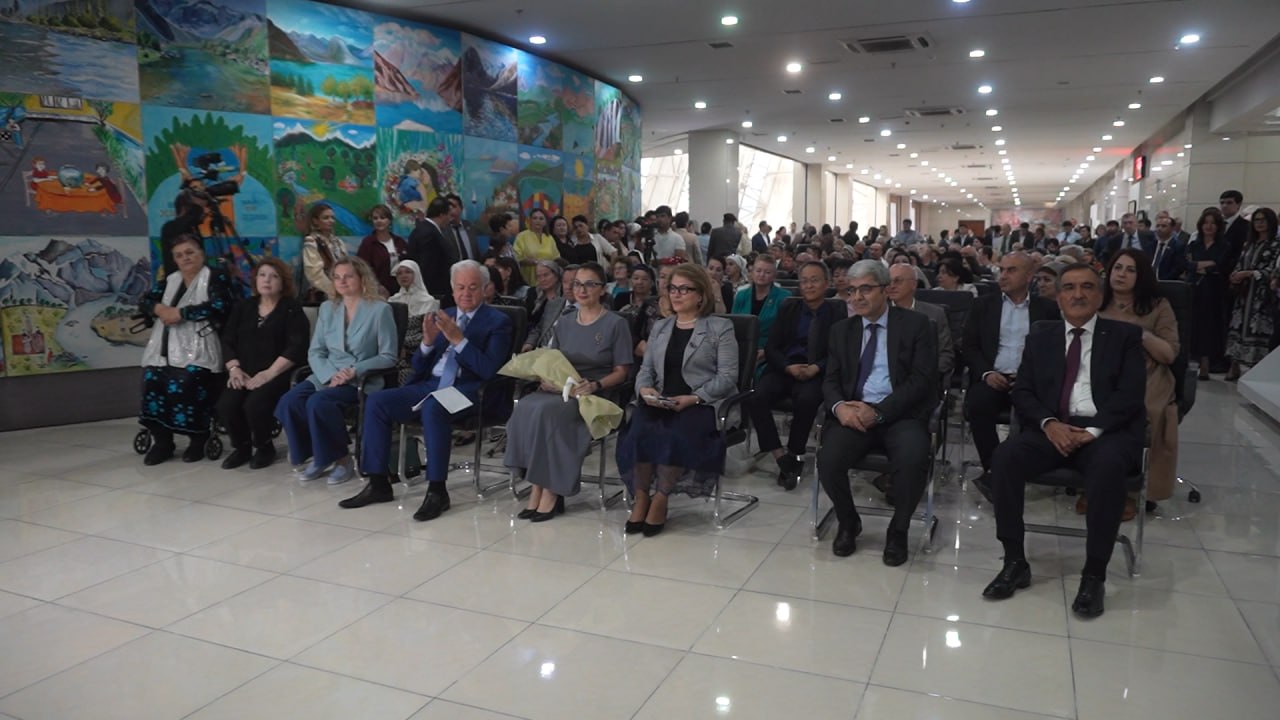
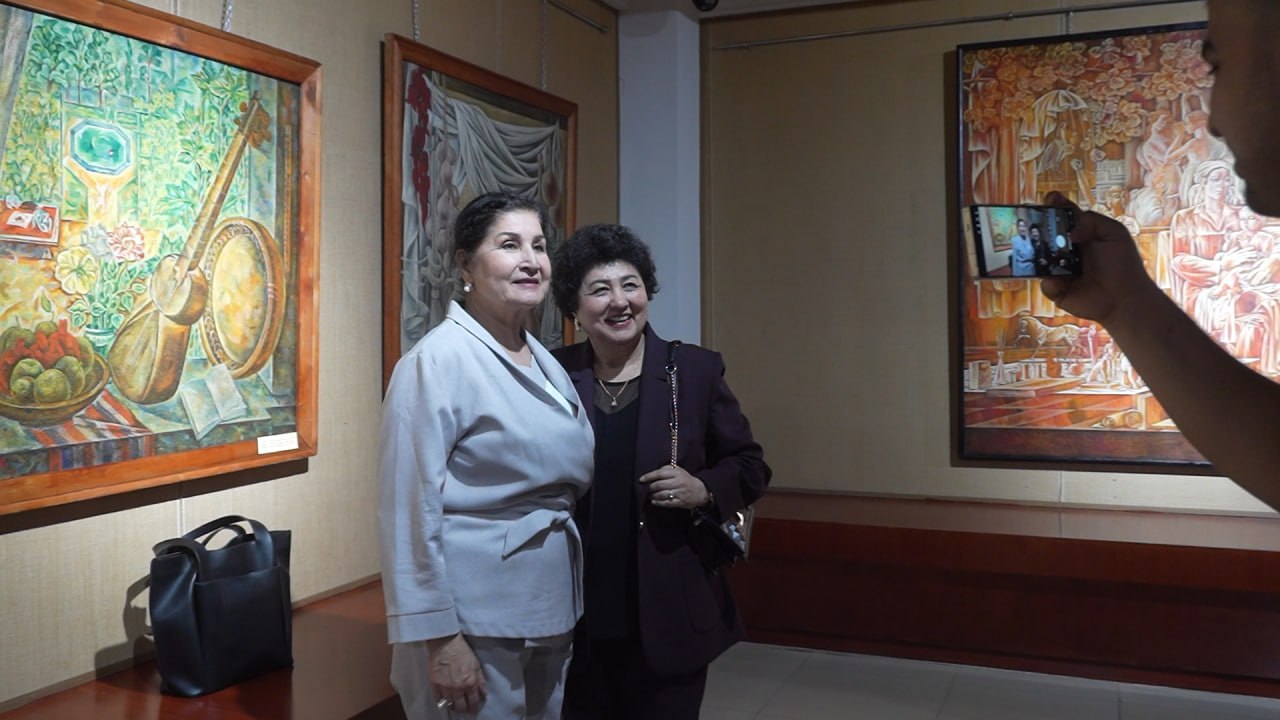
The opening ceremony was attended by government and public figures, representatives of the diplomatic corps, artists, writers, journalists, students from art schools, friends, colleagues, and family of Sukhrob Kurbanov. The atmosphere was filled with respect for the artist, who made a significant contribution to the development of Tajik fine art and the country's cultural heritage.
The Minister of Culture of the Republic of Tajikistan, Sattoriyon Matlubakhon Amonzoda, delivered a welcoming speech. She emphasized that Sukhrob Kurbanov's work has become an integral part of Tajikistan's national culture and artistic history.
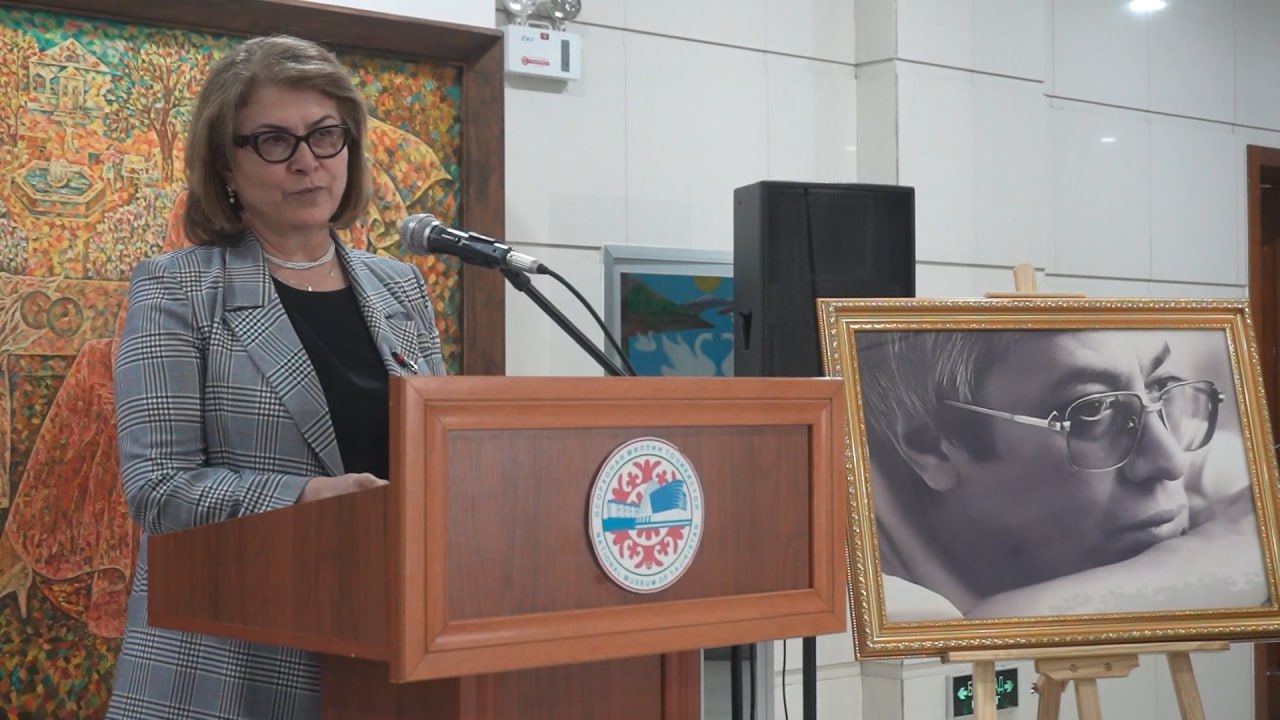
"Sukhrob Kurbanov was more than just a talented artist—he was a man who, through art, told the world about the soul of the Tajik people, its history, traditions, and spiritual values. His works continue to inspire a new generation of artists," the minister noted.
In her speech, Deputy Mayor of Dushanbe Odilzoda Dilbar Rahim emphasized the importance of such cultural events in preparation for the country's 35th anniversary of independence.
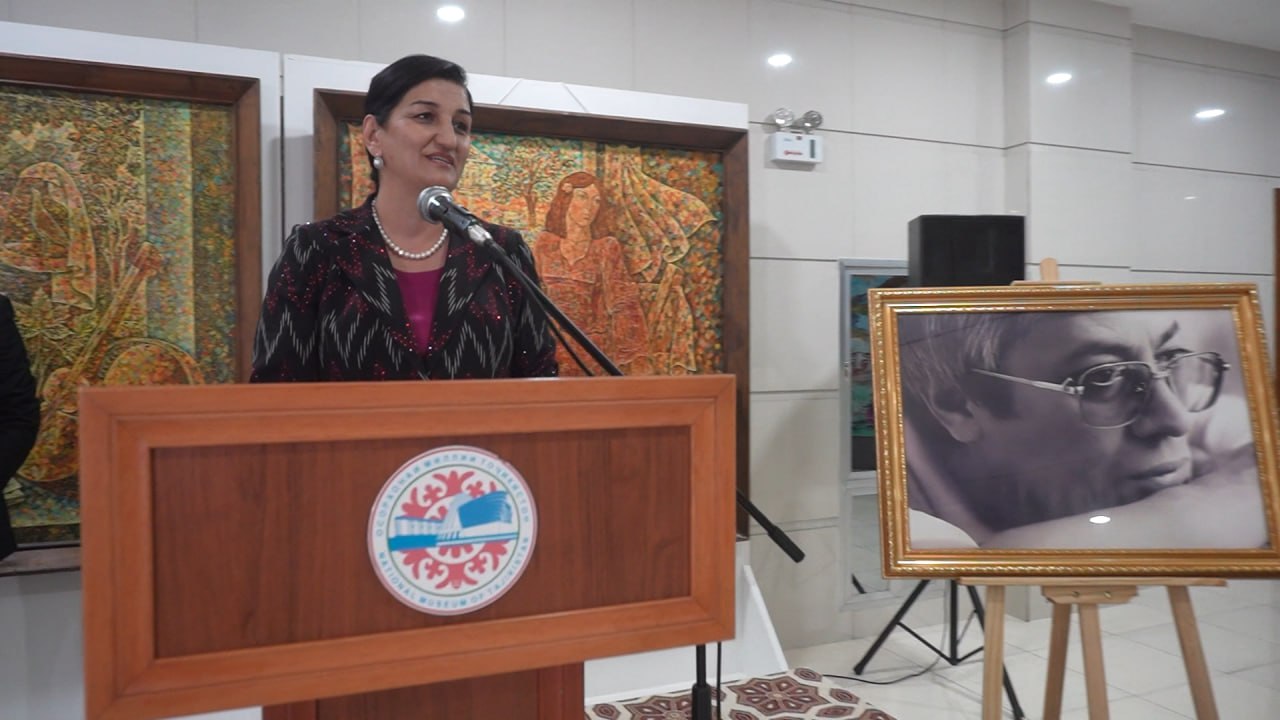
"The legacy of masters like Sukhrob Kurbanov shapes the nation's cultural identity. His work is the pride of Tajikistan and an important part of our people's spiritual wealth," she said.
The guests' attention was particularly drawn to the speech by renowned statesman and political figure Rashid Alimov, who personally knew the artist and maintained friendly relations with him for many years.
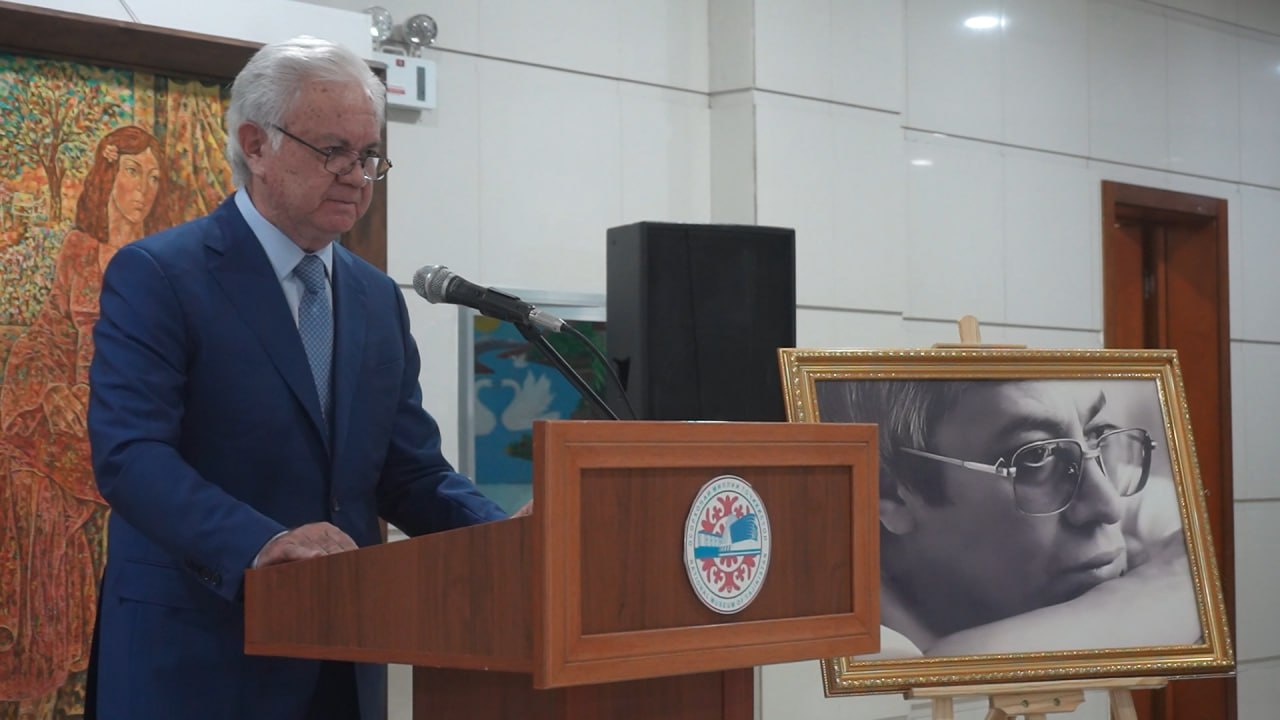
"Sukhrob Kurbanov possessed a rare gift for seeing beauty in people and the times in which he lived. He was a world-class artist, but he always remained a true son of the Tajik land," Rashid Alimov emphasized.
The artist's daughter, Malika Kurbanova, also offered warm tributes. She thanked the exhibition organizers, family friends, and all admirers of her father's work.
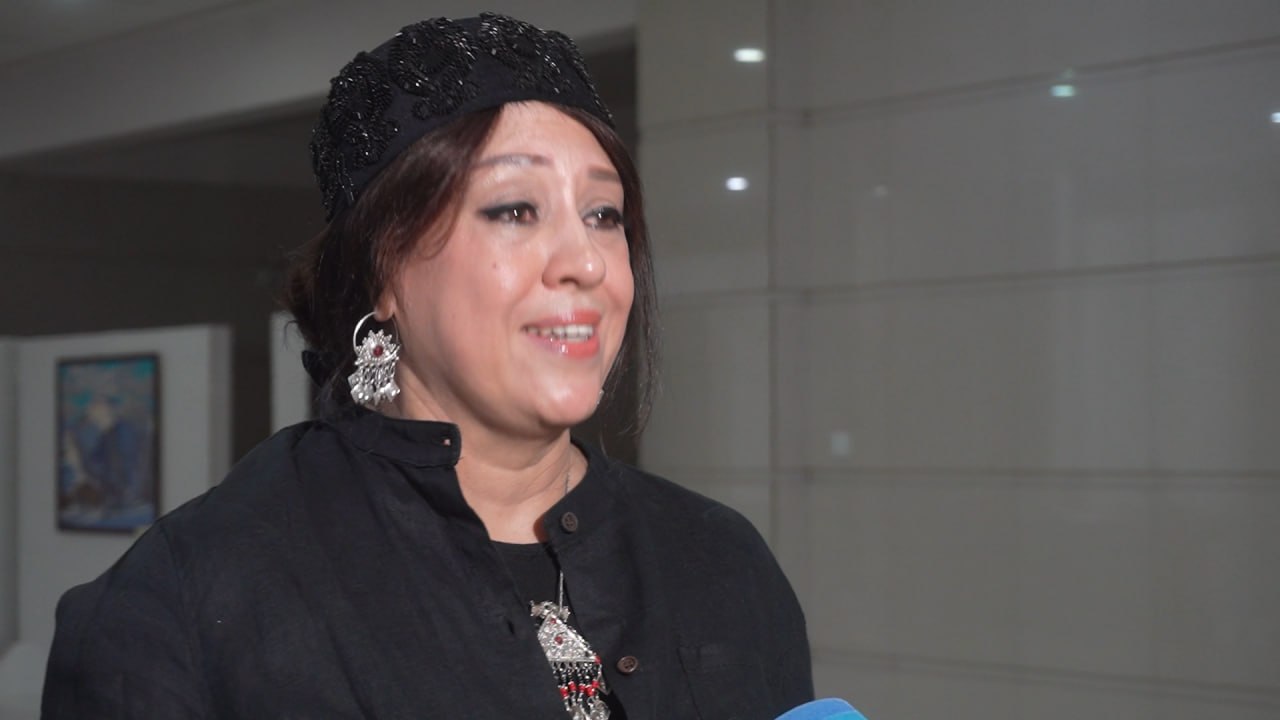
"It's very important for our family to see that my father's memory lives on. He always said that art should unite people, inspire them, and preserve the nation's history," said Malika Kurbanova.
The opening ceremony also featured speeches from the Chairman of the Union of Artists of Tajikistan, renowned art historians, and the artist's colleagues, who noted the magnitude of Sukhrob Kurbanov's personality and his contribution to the development of monumental painting not only in Tajikistan but also far beyond its borders.
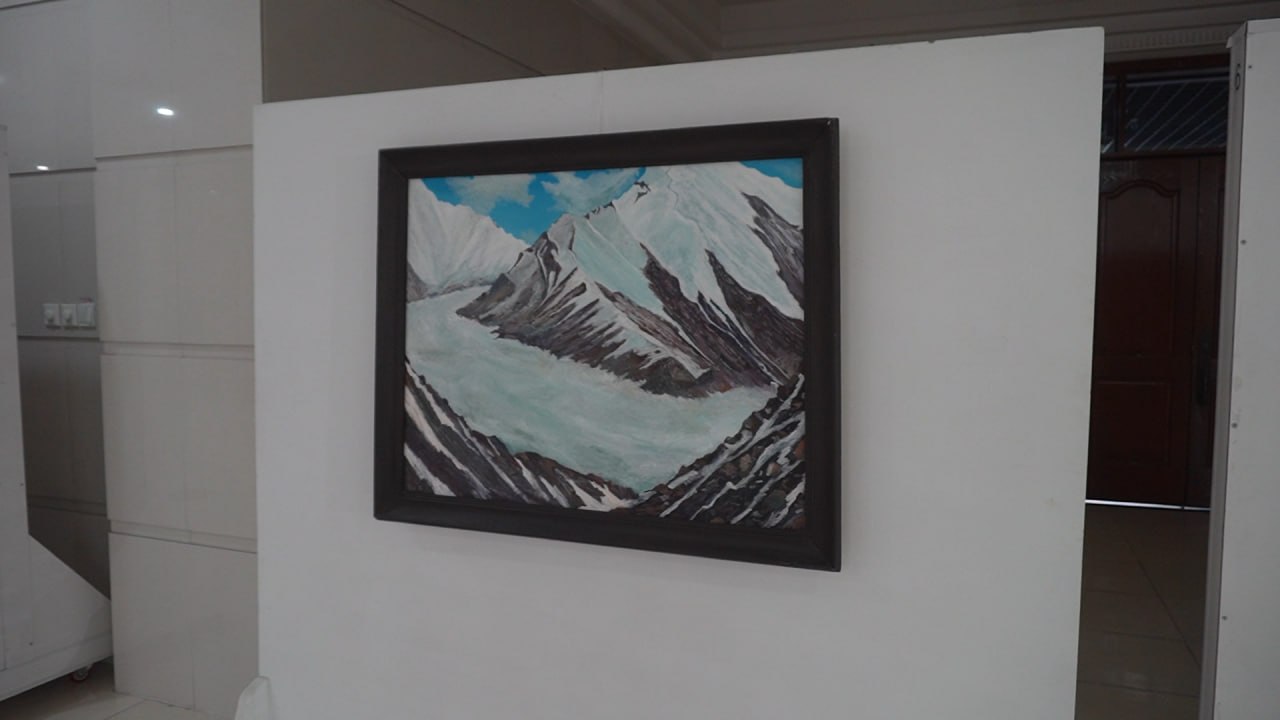
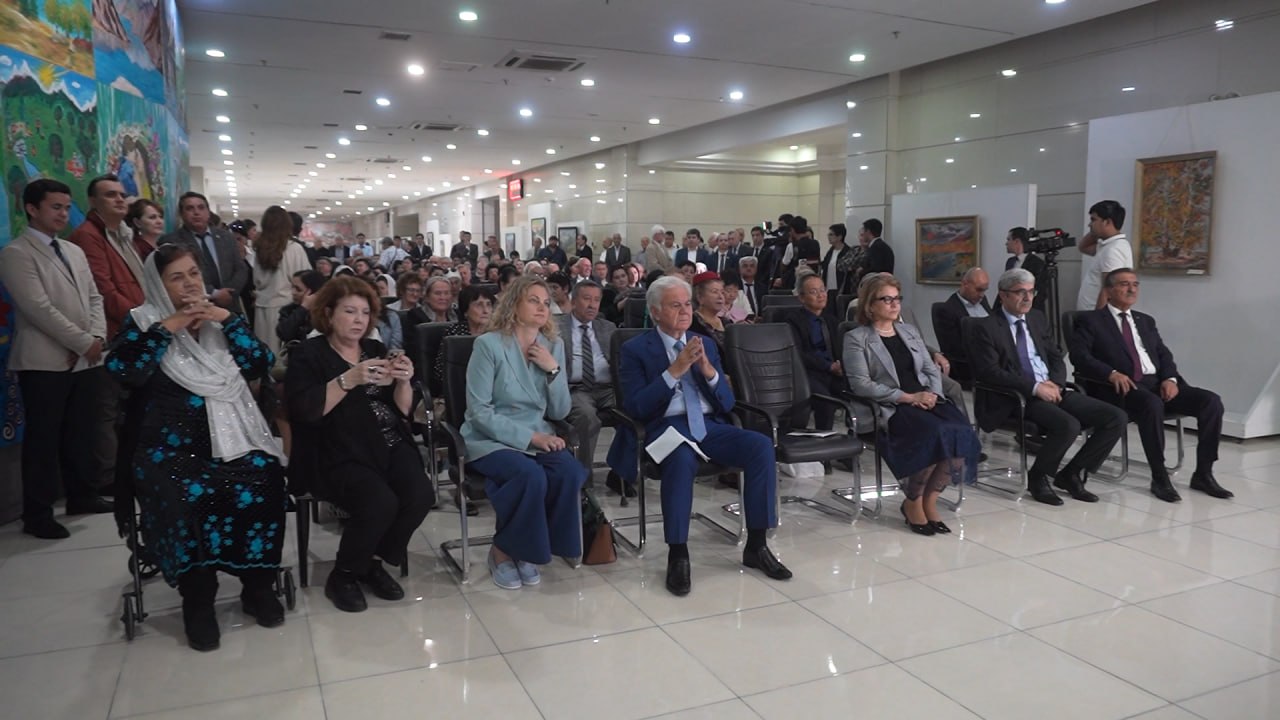
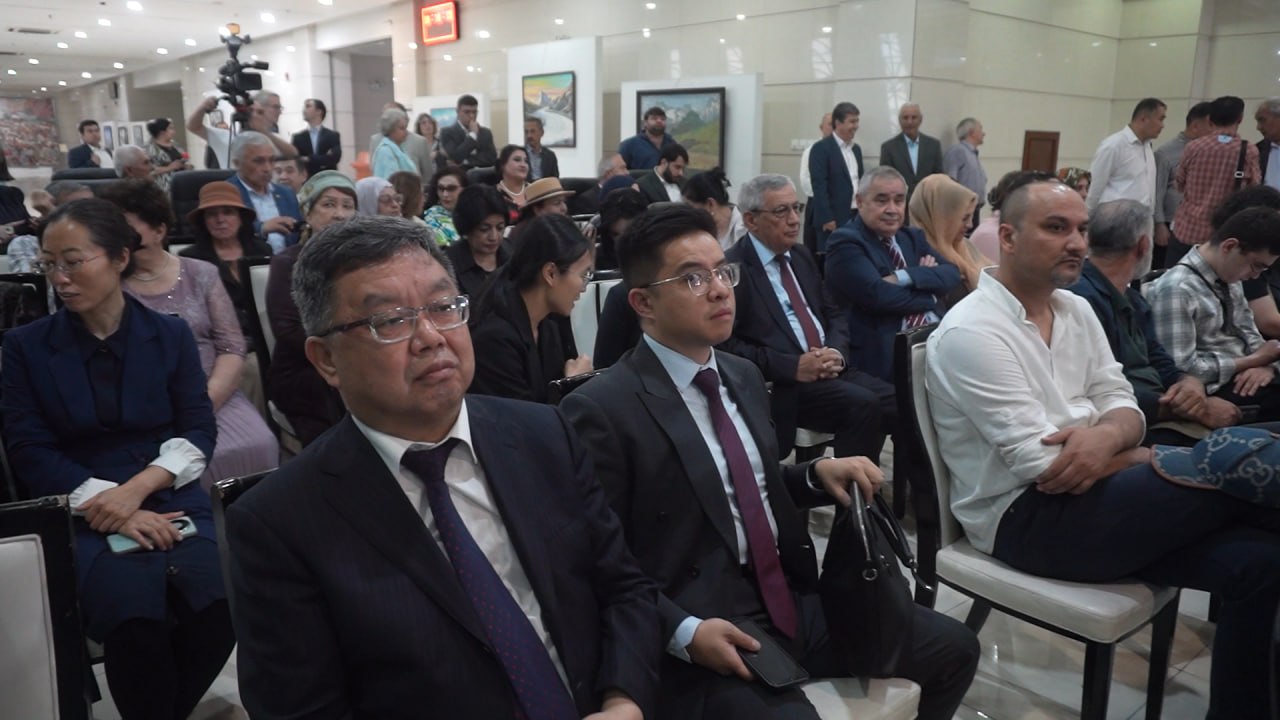
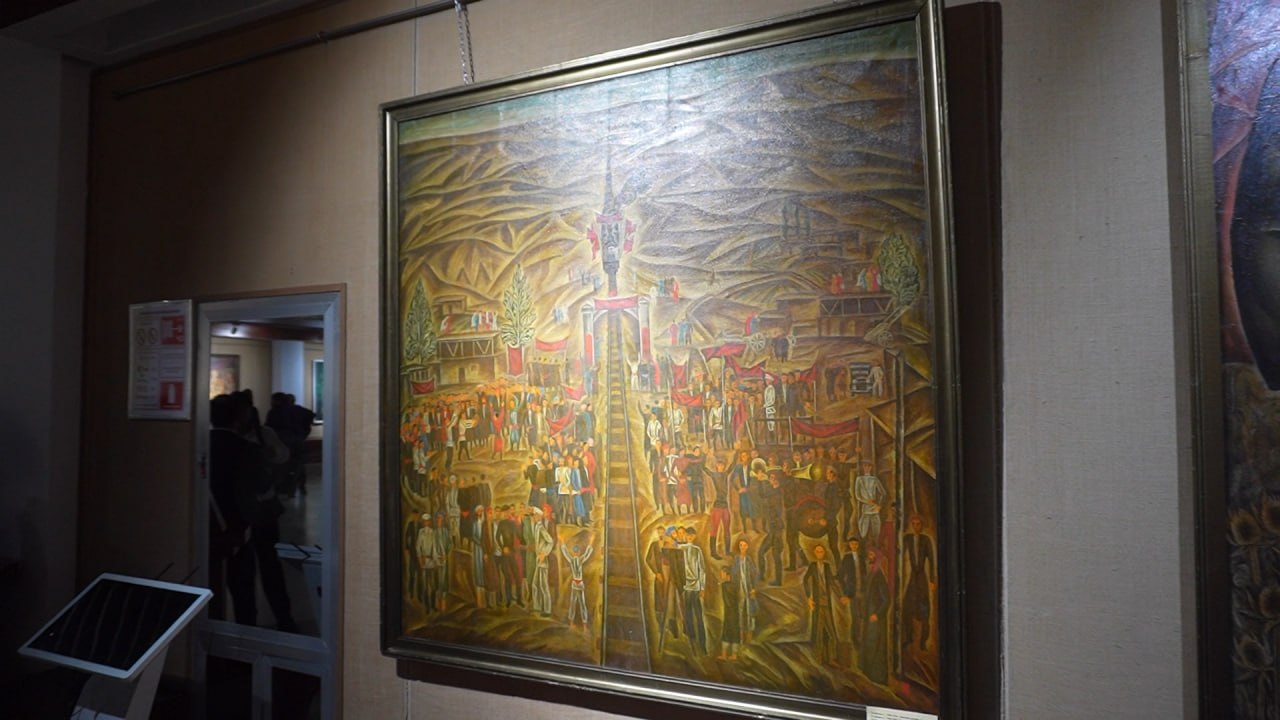
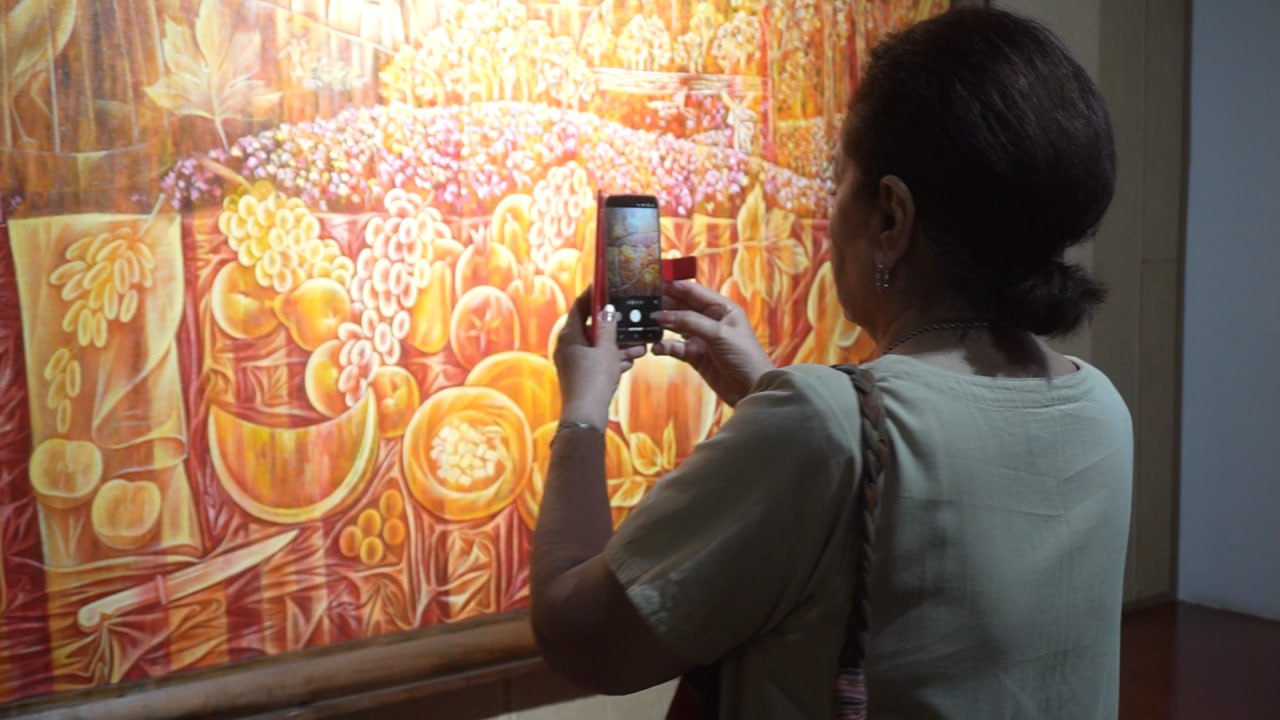
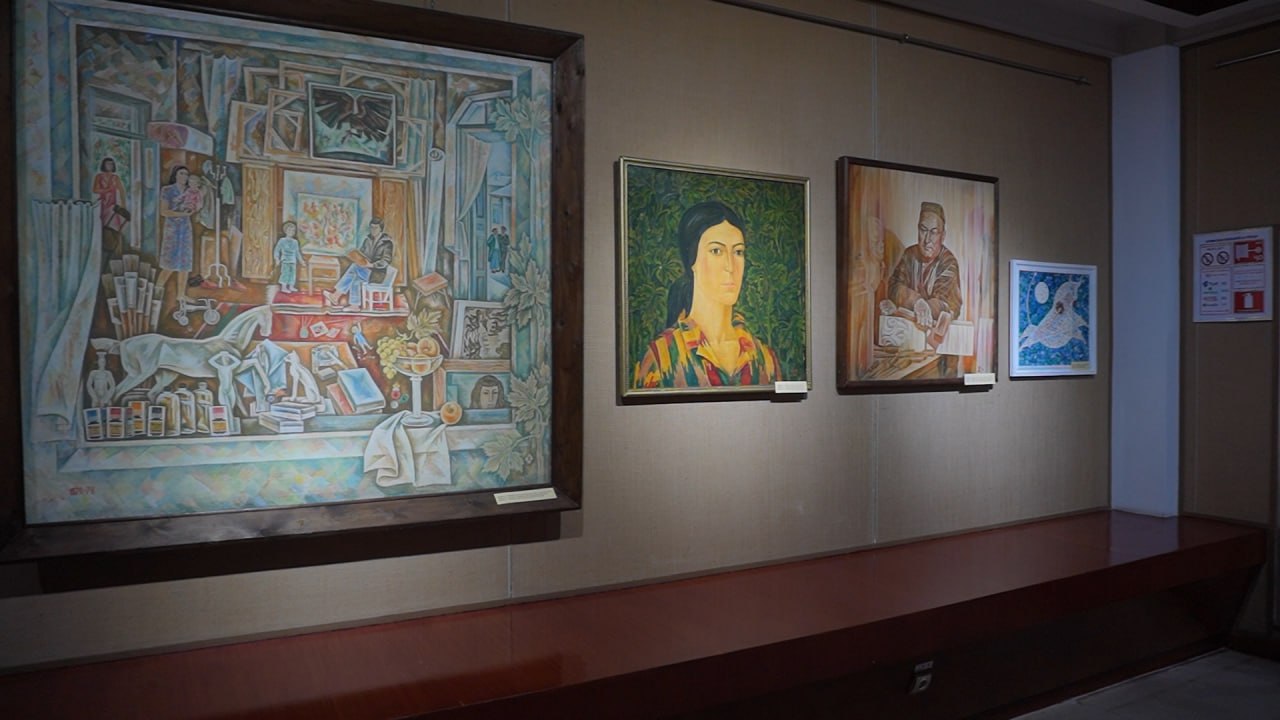
Exhibition visitors were able to view dozens of paintings, graphic works, and monumental sketches by the artist, reflecting the history, culture, and national traditions of the Tajik people. Many visitors lingered in front of the master's works, discussing the depth of their imagery, unique artistic style, and philosophical content.
Sukhrob Usmanovich Kurbanov (1946–2016) was a prominent Tajik muralist, professor, and People's Artist of the USSR and Tajikistan. He was a laureate of the Lenin Komsomol Prize and a three-time laureate of the Abuabdullo Rudaki State Prize of Tajikistan. For three decades—from 1982 to 2012—Kurbanov headed the Union of Artists of Tajikistan, playing a key role in the development of national art and the support of young artists.
The artist was also a member of the Russian Academy of Arts, the Academy of Arts of Ukraine, a corresponding member of the Academy of Arts of the Kyrgyz Republic, and a professor at Shanghai University and the Nanjing Art Institute.
Sukhrob Kurbanov's works are now held in major museums around the world, including the State Tretyakov Gallery and the Metropolitan Museum of Art, as well as in private collections in the United States, Germany, Finland, Greece, Hungary, Iran, Iraq, and other countries.
The exhibition at the National Museum of Tajikistan was not only a tribute to the memory of an outstanding artist but also a symbol of respect for the cultural heritage of independent Tajikistan. For many visitors, it was an opportunity to once again experience the work of a master whose art continues to transcend time and generations.