Translated with AI
































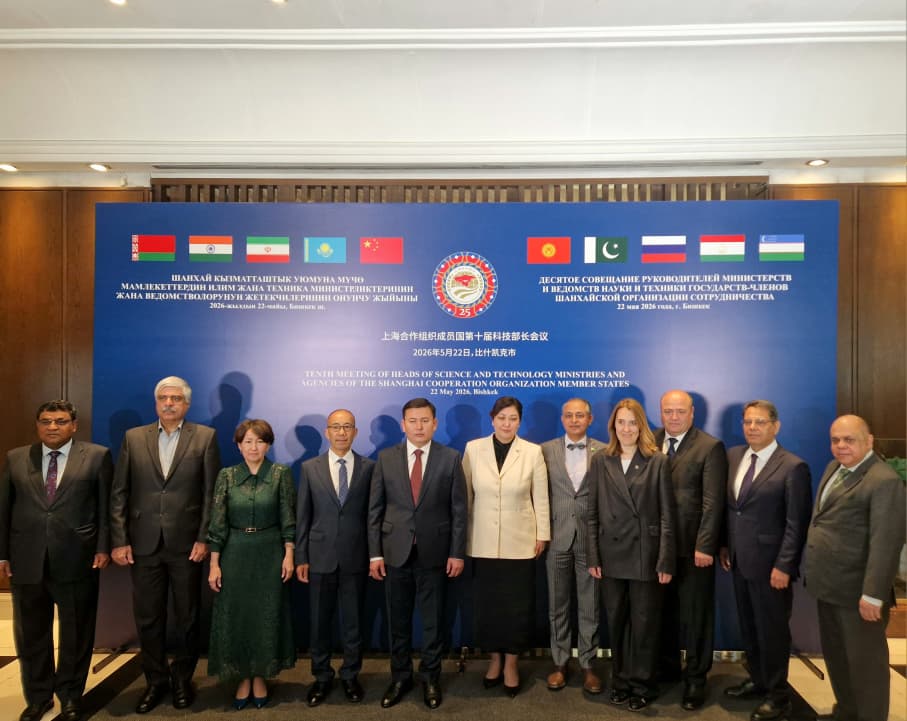
A Tajik delegation led by Deputy Minister of Education and Science Badriddin Muzaffarzoda participated in the 10th meeting of heads of ministries and agencies of the Shanghai Cooperation Organization member states responsible for education and science. The event took place in Bishkek, NIAT Khovar reports, citing the Embassy of the Republic of Tajikistan in the Kyrgyz Republic.
During the meeting, participants discussed issues related to the development of educational and scientific cooperation, the expansion of academic mobility, the implementation of joint educational programs, the digitalization of the educational space, and the training of highly qualified personnel who meet the modern requirements of innovative development.
Particular attention was paid to the activities of the SCO University and the strengthening of humanitarian and cultural ties between the organization's member states.
The Tajik side emphasized the special role of President of the Republic of Tajikistan Emomali Rahmon in the establishment and development of the Shanghai Cooperation Organization. It was noted that Tajikistan is consistently strengthening cooperation within the SCO in education and science, promoting academic mobility, joint scientific research, and the introduction of modern educational technologies.
The head of the delegation noted that Tajikistan joined the SCO University project in 2018, and ten leading universities in the country are currently actively participating in its activities.
In recent years, more than 1,700 students from Tajikistan have participated in joint educational programs, and 236 students have studied at universities in SCO member states.
The intensification of cooperation with universities in China, Russia, Belarus, and Uzbekistan in the area of specialist training, the implementation of double degree programs, and joint research projects was also emphasized.
As part of the event, the Tajik delegation held a series of working meetings with representatives of relevant ministries and educational institutions from SCO member states. During the meetings, prospects for further expanding cooperation, implementing joint educational initiatives, and developing research projects were discussed.
The parties confirmed their readiness to further strengthen cooperation in education and science, expand academic exchanges, and improve cooperation mechanisms within the SCO.
Following the 10th meeting, a corresponding protocol was signed.