Translated with AI









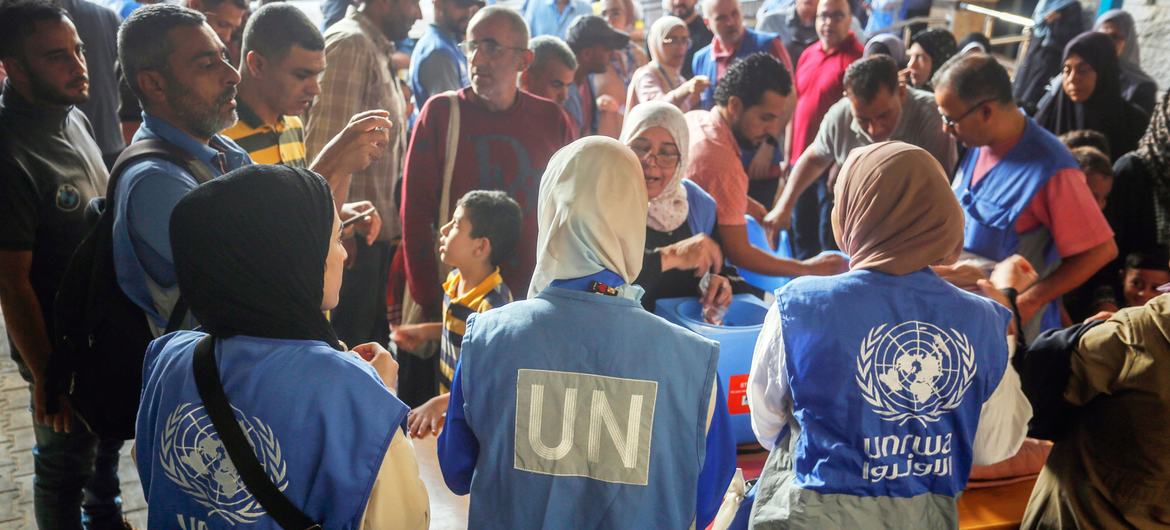
UN Emergency Relief Coordinator Tom Fletcher unveiled a new global humanitarian campaign called "87 Million Lives." This is the number of people the organization plans to help through this initiative, according to the organization's press service.
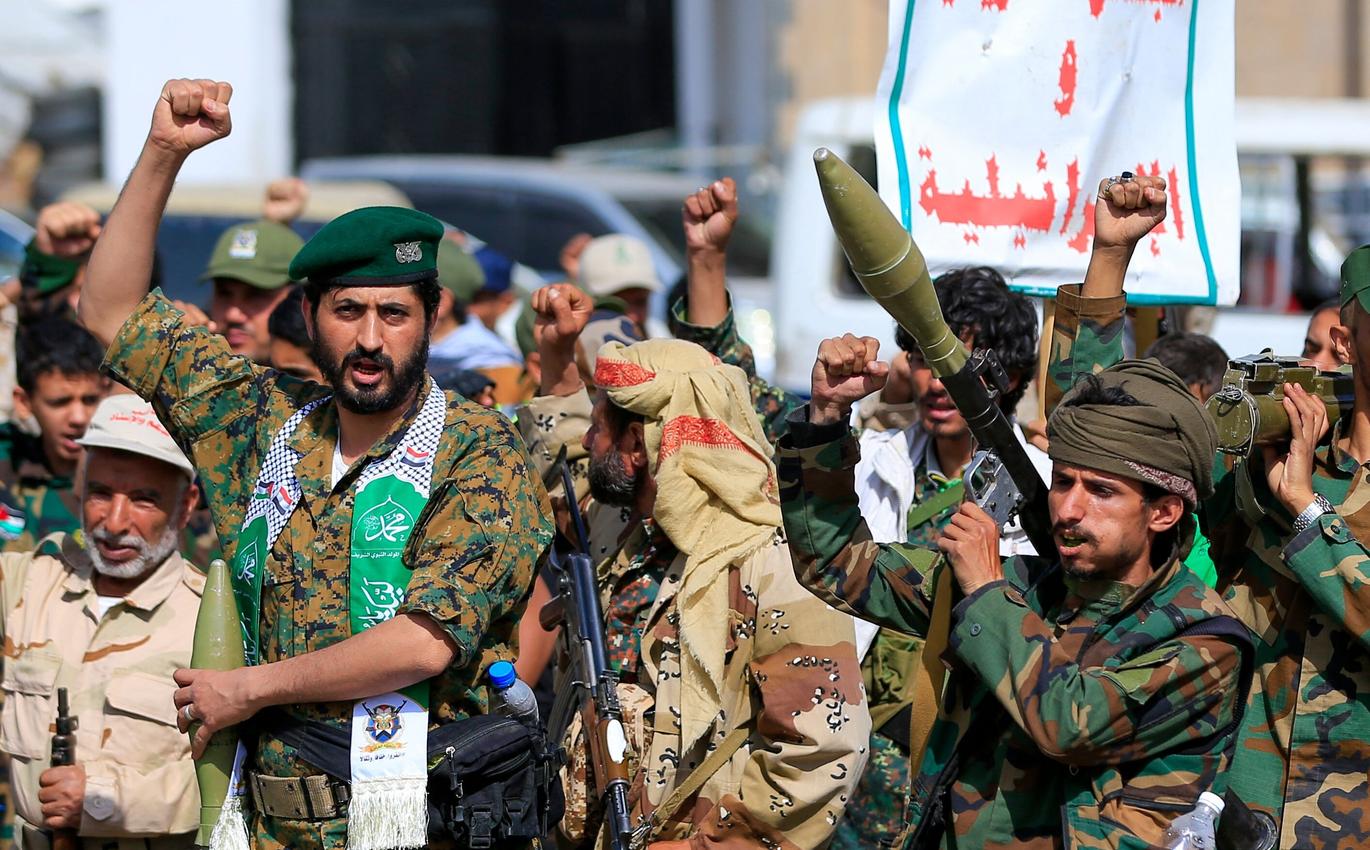
In his statement, Fletcher noted that the world is experiencing an extremely dangerous period. He said that conflicts, particularly in the Middle East, are rapidly escalating and increasingly intersecting. Violence is leading to new waves of displacement, economic disruption, and a sharp increase in humanitarian needs.
The Emergency Relief Coordinator has issued three key messages to the international community.
The first appeal concerns the protection of civilians and vital infrastructure. According to Fletcher, it is essential to ensure the protection of all civilians, as well as civilian infrastructure, including schools, hospitals, and energy facilities. He also emphasized the need to guarantee the safety of humanitarian workers.
"Civilians, all civilians, wherever they are in the region, must be protected," Fletcher said.
The second appeal concerns ensuring that humanitarian organizations have access to people in need of assistance, regardless of their country of residence or party to the conflict.
The third call is for renewed diplomacy based on a strategic and rational approach, as well as a readiness for peace.
Fletcher also emphasized that the humanitarian system is currently experiencing an extremely difficult period. According to him, humanitarian workers are increasingly becoming targets of attacks. On the day of his speech alone, the coordinator noted, three humanitarian workers were killed – in Sudan, the Democratic Republic of the Congo, and Lebanon.
"This is a challenging time for humanitarian action. We are overwhelmed, under constant attack, and short on resources, but we refuse to compromise our principles and our mission. We will not turn our backs on the people who rely on us," he said.
Against this backdrop, the United Nations presented a humanitarian plan for 2026. The plan calls for $23 billion to provide assistance to 87 million people.
Around 2,000 humanitarian organizations are involved in the program, more than 60 percent of which are UN partners on the ground. The new campaign aims to implement this plan.
Fletcher reported that in January alone, more than 7 million people received assistance through 17 UN humanitarian operations, including nearly 2 million people in Sudan. He stated that if this level of assistance can be maintained monthly, the organization will be able to reach its goal of assisting 87 million people within a year.
According to the coordinator, $5 billion has already been allocated to implement the humanitarian plan. Taking into account the announced commitments, the funding volume now stands at $8.7 billion, more than a third of the required amount.
The main donors were the United States, the European Commission, Sweden, Germany, Switzerland, the United Kingdom, Canada, Japan, Norway, Denmark, the United Arab Emirates, Belgium and Qatar.
At the same time, the funding gap remains significant and exceeds $14 billion.
Fletcher noted that military operations in the Middle East cost approximately one billion dollars a day. He argued that even a small fraction of this money could save millions of people.
"We're not asking you to choose between a hospital in Brooklyn, London, Mexico City, Rio, or Manila and a hospital in Kandahar, Akobo, Aleppo, or Port-au-Prince. We're simply asking you to recognize that perhaps the world could spend a little less on weapons this year and a little more on doing something truly meaningful," the UN emergency relief coordinator said.