Translated with AI


































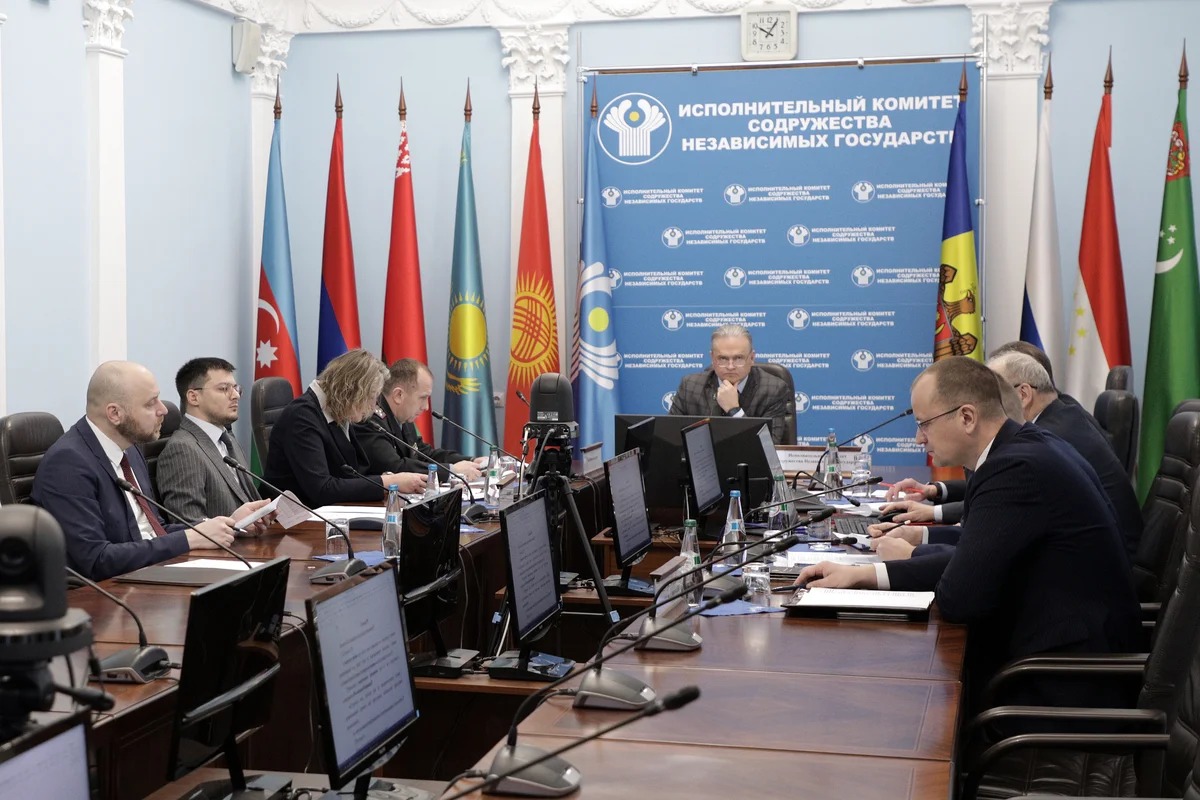
On February 5, an additional meeting of the expert group was held to approve the draft Protocol on Amendments to the Agreement on Cooperation between Member States of the Commonwealth of Independent States in Combating Crime in Transport. This was reported by the press service of the Organization's Executive Committee.
The meeting was attended by representatives of Azerbaijan, Armenia, Belarus, Kazakhstan, Kyrgyzstan, Russia, Tajikistan, Uzbekistan, as well as representatives of the Council of Ministers of Internal Affairs, the Bureau for the Coordination of the Fight against Organized Crime and Other Dangerous Types of Crime in the Territory of the CIS Member States, and the Executive Committee of the Commonwealth.
During the meeting, experts discussed comments and suggestions received from states regarding the draft Protocol, finalized and agreed upon the document. It was decided to consider the expert-level approval process complete and submit the draft Protocol to the CIS Heads of Government Council for consideration in accordance with established procedures.
It is noted that the Agreement on Cooperation in Combating Crime in Transport was signed on September 15, 2004. The adoption of amendments to it was initiated with the aim of improving cooperation between the internal affairs agencies of the CIS member states in the area of law enforcement at rail, water, and air transport facilities.
The draft Protocol takes into account changes in the factors of interaction between the internal affairs agencies of the Commonwealth countries in the area of combating cross-border crimes in the field of freight transport related to the theft, smuggling and illegal transit of goods and cargo, including prohibited or restricted goods, narcotic drugs, psychotropic substances and precursors across state borders.
A number of changes are also envisaged related to the investigation of crimes committed in transport by organized groups and criminal organizations, including those using information and communications technology. These measures are aimed at developing common approaches and algorithms to assist in solving them, as well as improving information exchange.
In addition, it is proposed to expand the forms of cooperation between the Commonwealth states in terms of the possibility of exchanging data and information that allows for the identification and/or authentication of individuals who have committed crimes, are hiding from criminal prosecution or serving a sentence, as well as missing persons, using biometric identification technologies and the processing of biometric data.