Translated with AI

































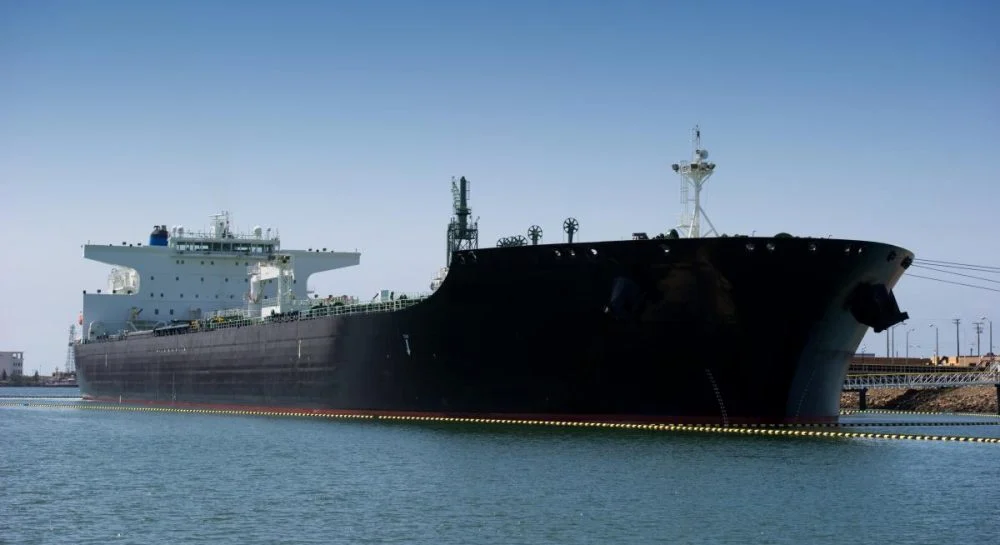
US President Donald Trump said the United States will retain control of the sanctioned oil tankers seized off the coast of Venezuela, as well as the oil on board, which could be used as a strategic reserve.
On Monday, December 22, Trump told reporters that the tanker detained on December 10 and its cargo would remain U.S. property. He said this decision was related to the country's ability to use the oil as a strategic reserve.
The US previously detained two vessels in the Caribbean Sea, which, according to Washington, Venezuela is using to evade sanctions. Since December 22, the US Coast Guard has reportedly been pursuing a third tanker, which is also likely part of Venezuela's "shadow fleet."
On December 16, Trump ordered a naval blockade of sanctioned oil tankers traveling to or from Venezuela. The following day, the US president demanded on the social media platform TruthSocial that Venezuela "immediately" return to the US "the oil, land, and other assets it previously stole." Caracas called these demands a "grotesque threat" that violated international law.
In the early 2000s, Venezuela nationalized all its oil fields, affecting the interests of foreign companies, including American ones, which sparked a dispute over compensation demands. On December 22, Trump confirmed that he had held talks with major American oil companies whose property was then confiscated, but the content of these talks was not disclosed.
Commenting on the possibility of forcing Venezuelan President Nicolás Maduro to resign, Trump noted: "What he wants to do is up to him. I think it would be smart for him to do that. If he wants to do something, to show toughness, this will be the last time he can show toughness."
In turn, Nicolás Maduro, commenting on Trump's order to block tankers, stated that the US president "would be better off concentrating on domestic economic and social problems" instead of threatening Caracas.