Translated with AI
























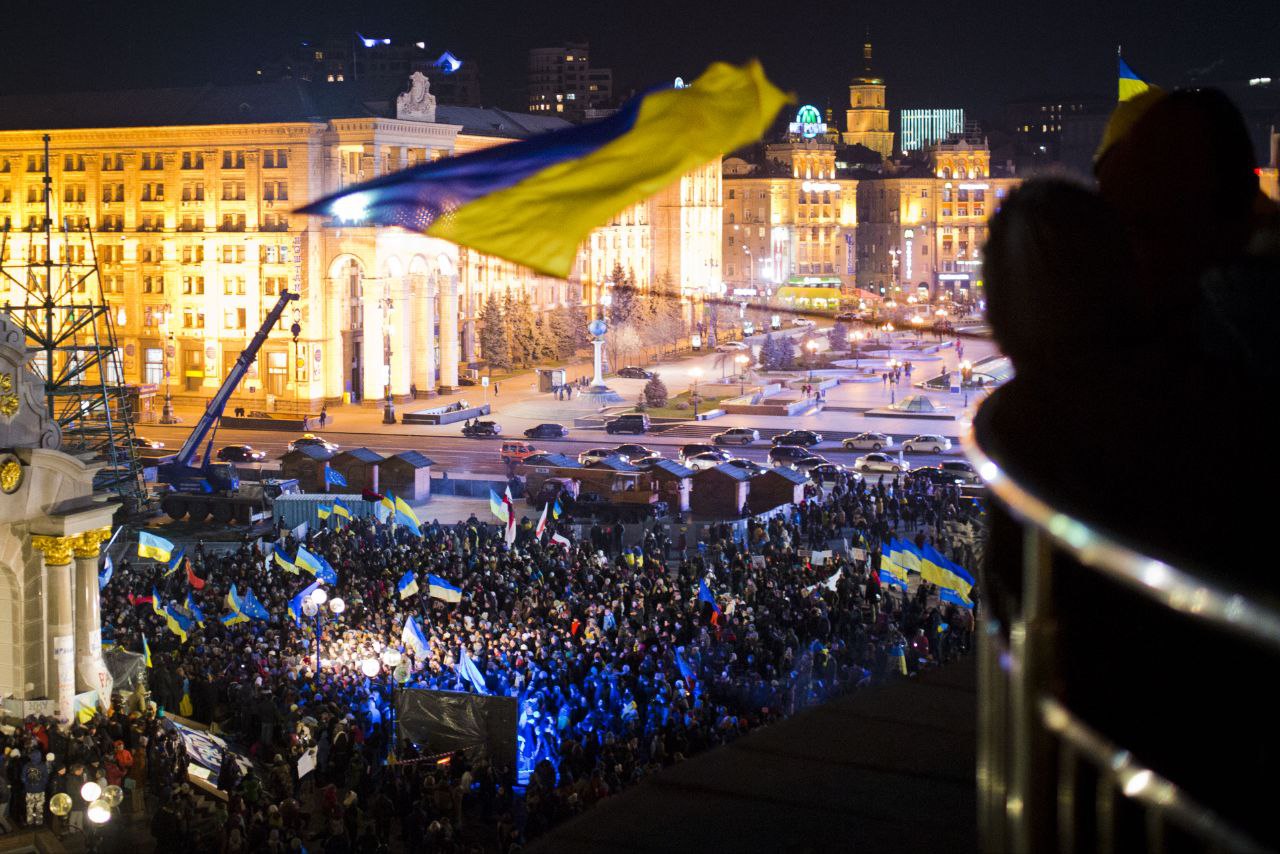
Dignity and Freedom Day , celebrated annually in Ukraine on November 21 , is a key national holiday symbolizing the nation's aspirations for democratic choice and a European future. This day marks the anniversaries of two momentous events in Ukraine's modern history: the Orange Revolution (2004) and the Revolution of Dignity (Euromaidan) (2013). In the context of ongoing Russian aggression, this holiday takes on a particularly profound and tragic meaning.
The Revolution of Dignity, which began on November 21, 2013, in response to the then government's refusal to sign the Association Agreement with the European Union, became the culmination of the Ukrainian people's struggle for their geopolitical choice and against the authoritarian course.
Maidan became the final point of no return, when Ukraine clearly declared its desire for European values , democracy, and rejection of Russian influence . This desire for freedom and dignity was perceived by the Kremlin as a direct threat to its imperial ambitions.
Peaceful protests that escalated into violent confrontation with the regime resulted in the deaths of over a hundred protesters, known as the Heavenly Hundred . Their sacrifice cemented in Ukrainians' minds the understanding that freedom comes at a high price.
The events of 2013-2014 and the victory of the Revolution of Dignity thwarted the Kremlin's plans to quietly absorb Ukraine. Russian aggression, which began immediately after President Yanukovych fled, was a direct response to Ukrainians' aspirations for sovereignty and democracy.
The Maidan shattered the Soviet and post-Soviet paternalistic model, according to which all issues were left to the state. Citizens learned to trust each other and resolve problems directly. The Revolution of Dignity became a school of national consciousness, uniting citizens of diverse ethnic backgrounds around shared values.
The invasion of Crimea and the outbreak of war in Donbas in 2014 were undertaken to punish Ukraine for its choices, destabilize the state, and stop its movement toward the West.
Russian propaganda actively demonized the Revolution of Dignity, calling it a "coup d'état" and portraying Ukrainian patriots as "Nazis" and "fascists." The purpose of this rhetoric is to justify aggression and discredit Ukrainians' legitimate right to self-determination.
Russia's full-scale invasion, which began in February 2022, gives Dignity and Freedom Day even greater relevance. Today, the struggle is no longer simply about political course, but for the physical survival of the nation and its right to exist as a sovereign state.
For many Ukrainians, the current war is a direct continuation of the Revolution of Dignity. The same values— freedom, dignity, independence —are now being defended on the front lines with arms in hand.
The legacy of the Maidan is evident in the unprecedented level of civic self-organization and the powerful volunteer movement that has supported the Ukrainian Armed Forces and the affected population since 2014.
In the face of barbaric shelling and war crimes by Russia, the national dignity of Ukrainians has become a symbol of defiance and a rejection of the mental slavery that activists spoke of back in 2014.
The Day of Dignity and Freedom is not simply a remembrance of past revolutions, but a constant affirmation of the Ukrainian people's readiness to fight for their future. In the context of Russian aggression, this day has become a hymn to the love of freedom and a demonstration that no external force can break the will of a nation that has chosen the path to democracy and European community.
Valery Evdokimov
Ambassador Extraordinary and Plenipotentiary of Ukraine
in the Republic of Tajikistan