Translated with AI































The Green Climate Fund (GCF) has approved $250 million in financing for the From Glaciers to Farms program, the Asian Development Bank's (ADB) flagship adaptation program. This was reported by the ADB press service.
The program aims to create resilient water supply and agricultural systems for vulnerable glacier-dependent communities in Central Asia, the South Caucasus, and Pakistan.
GCF financing will be provided primarily in the form of grants and will be co-invested with $3.25 billion from ADB over the next decade to implement a range of projects identified by participating countries.
Investments will be directed toward developing efficient irrigation systems, constructing reservoirs, and managing watersheds. These measures are intended to increase agricultural productivity in the face of accelerated glacier melt, which is leading to more frequent droughts and floods.
The "From Glaciers to Farms" program will cover four major glacier-fed river basins: the Naryn and Panj in Central Asia, the Kura in the South Caucasus, and the Swat in Pakistan. The total area covered will be approximately 27 million hectares.
Particular attention will be paid to the Panj River basin, which covers an area of approximately 4,650 square kilometers and forms part of Tajikistan's border with Afghanistan. Glaciers in this region are rapidly retreating amid rising temperatures of up to 5°C and changing precipitation patterns.
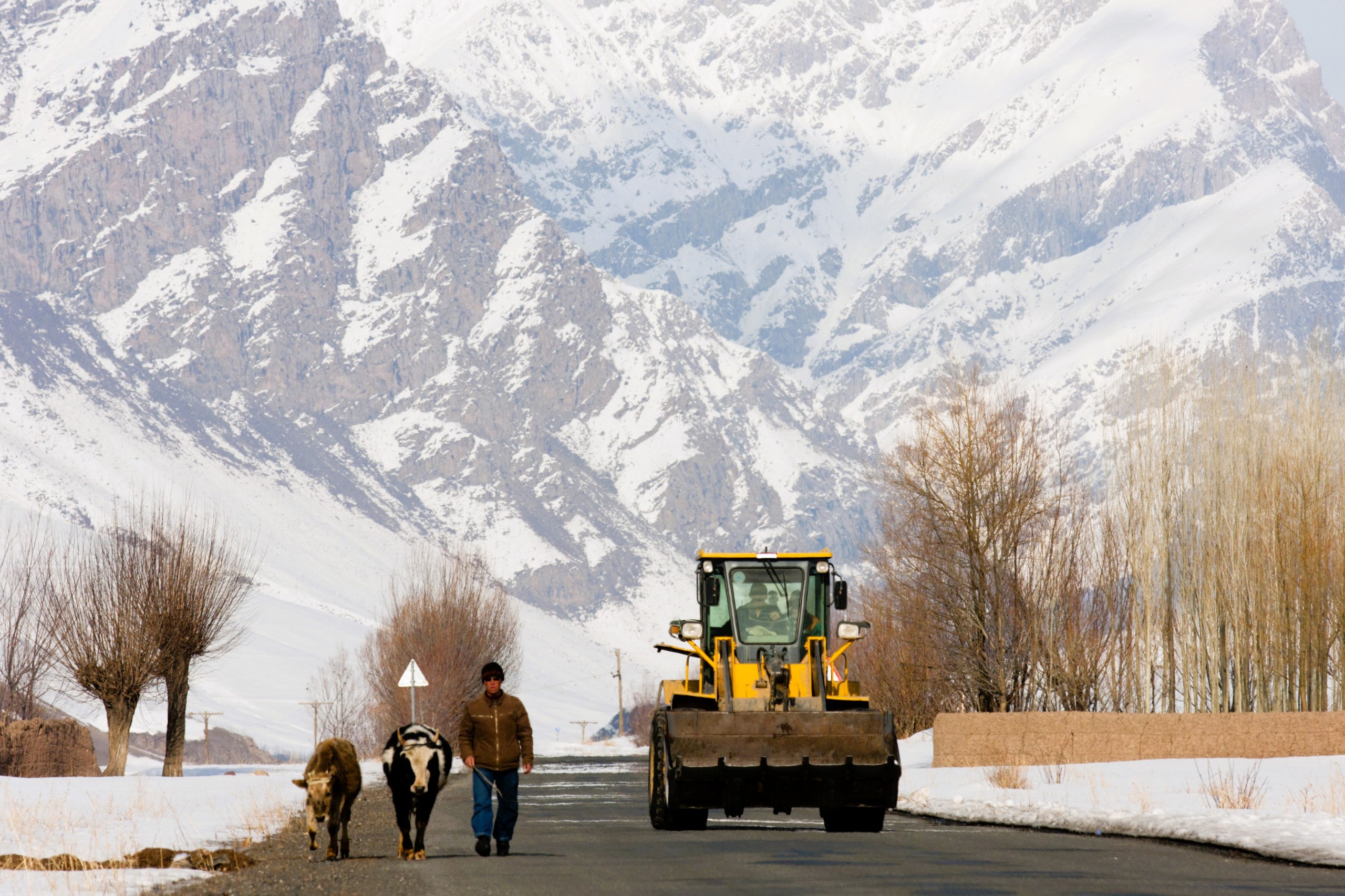
The Panj basin is one of the largest glaciated regions in Central Asia. Melting glaciers increase the risk of floods, landslides, and glacial lake outburst floods, threatening water supplies, hydropower, and agriculture that support vulnerable mountain communities.
The program aims to improve early warning systems and increase the resilience of local communities to climate risks.