Translated with AI

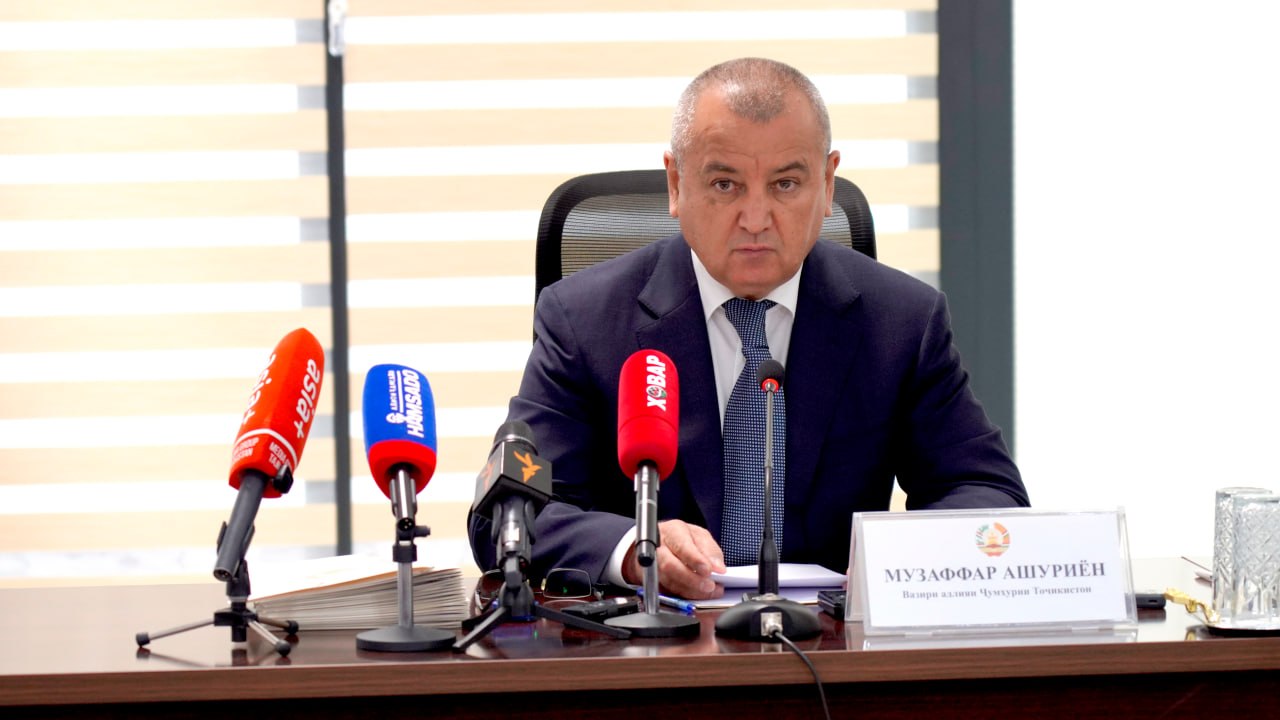

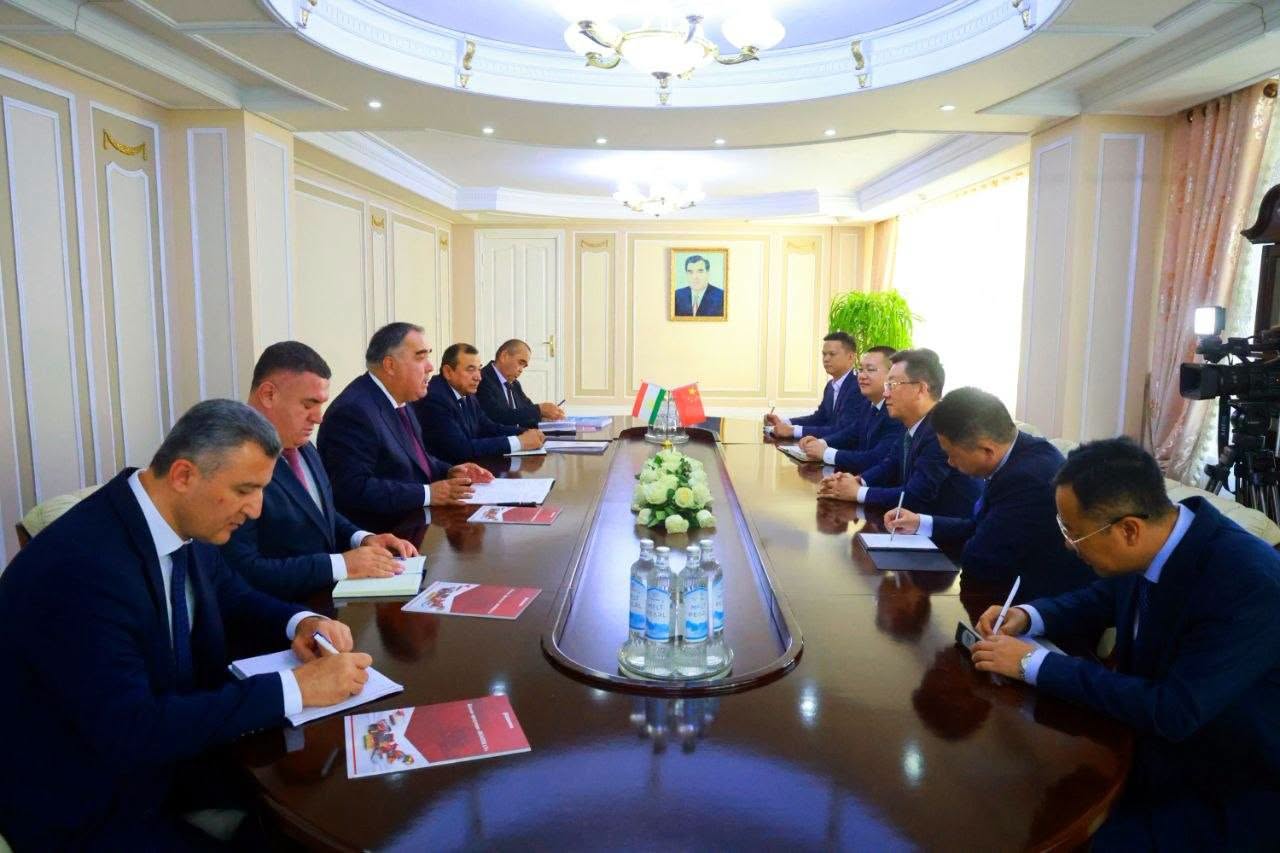
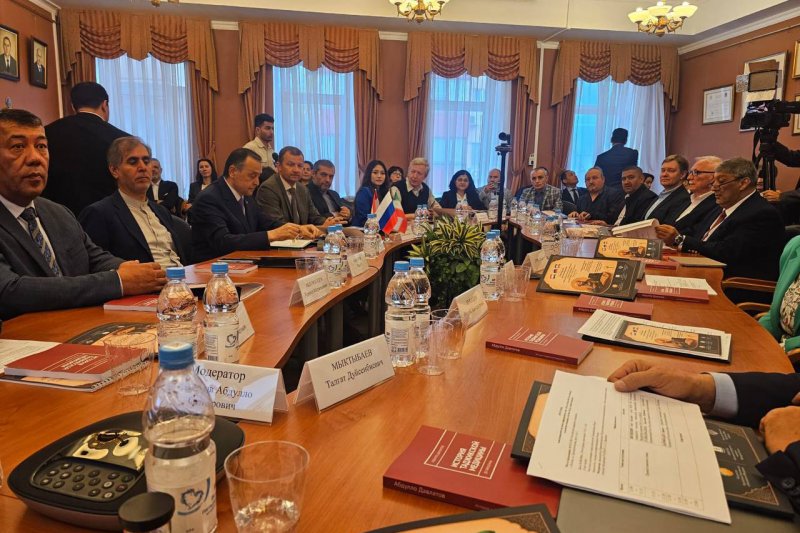




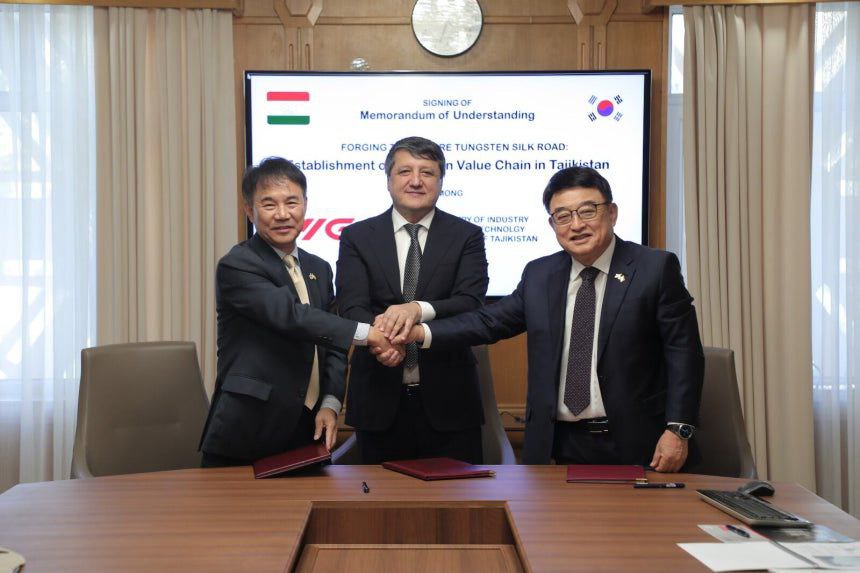
A memorandum of understanding (MOU) was signed in Dushanbe between the Ministry of Industry and New Technologies of Tajikistan and the South Korean company GB Innovation (GBI), providing for the creation of a joint supply chain for tungsten, a strategically important mineral for high technology.
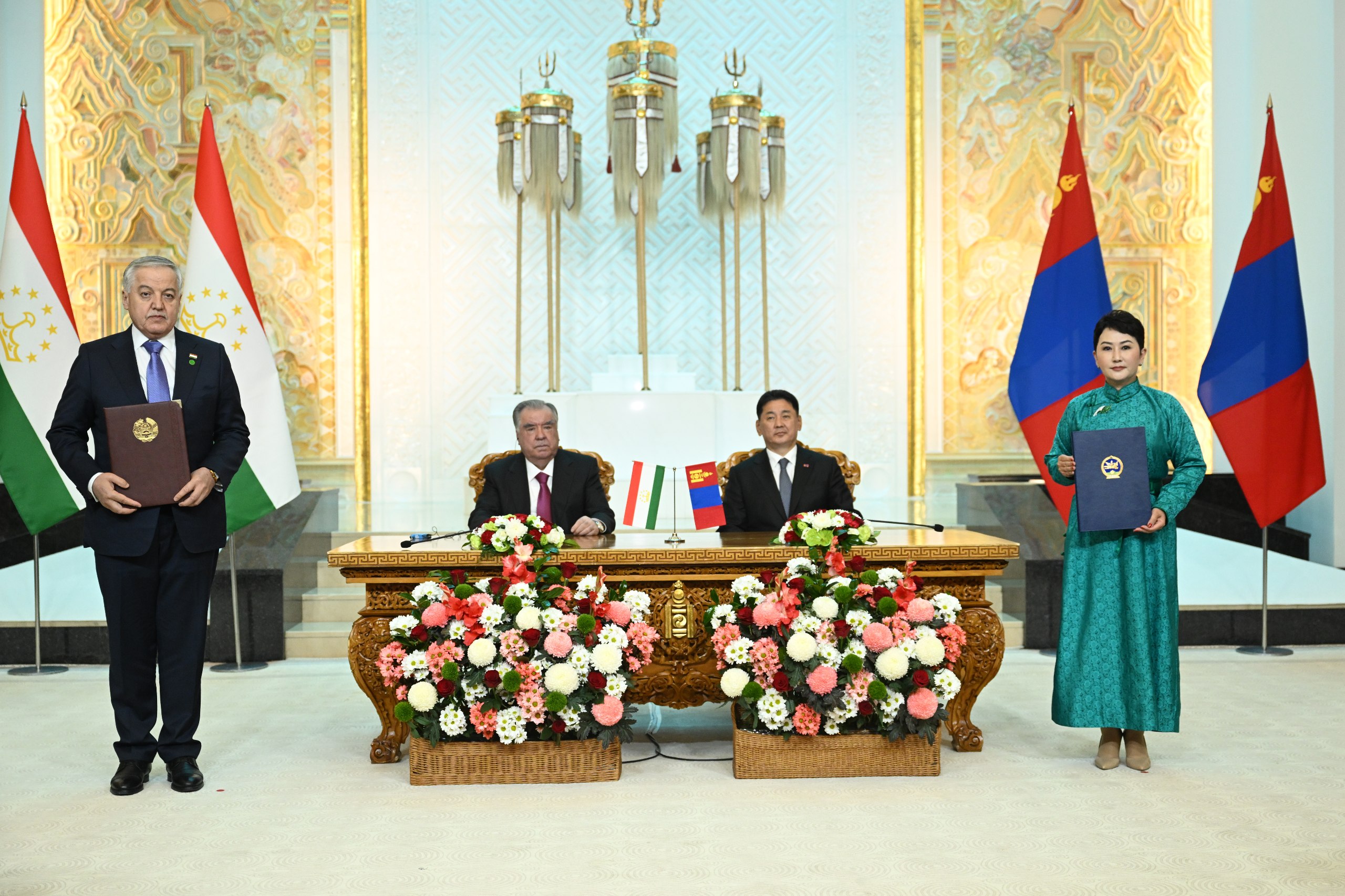
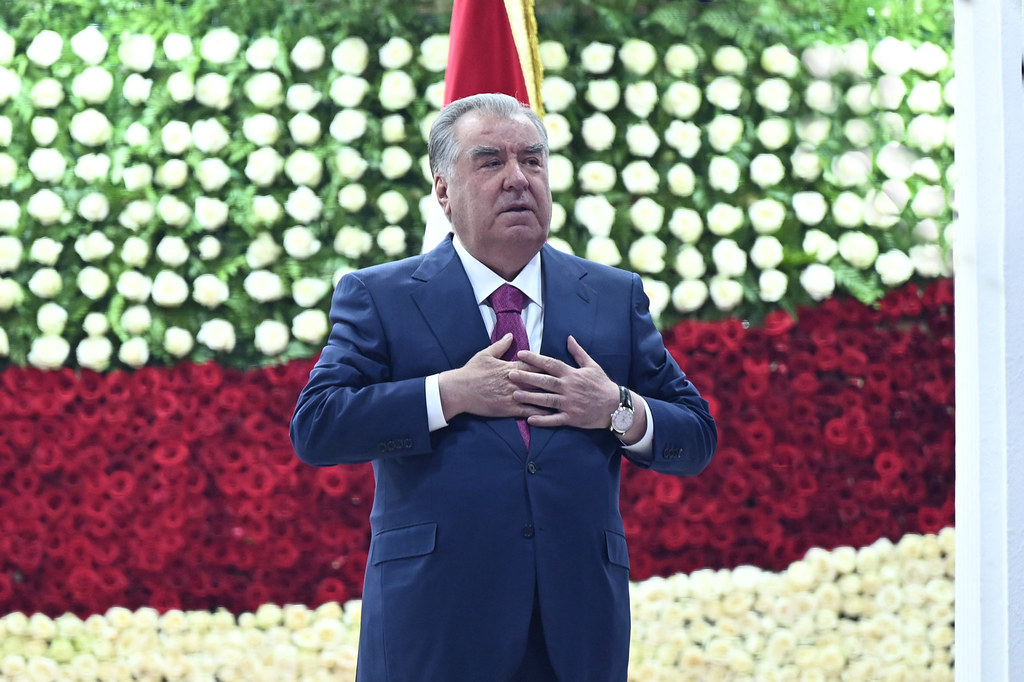
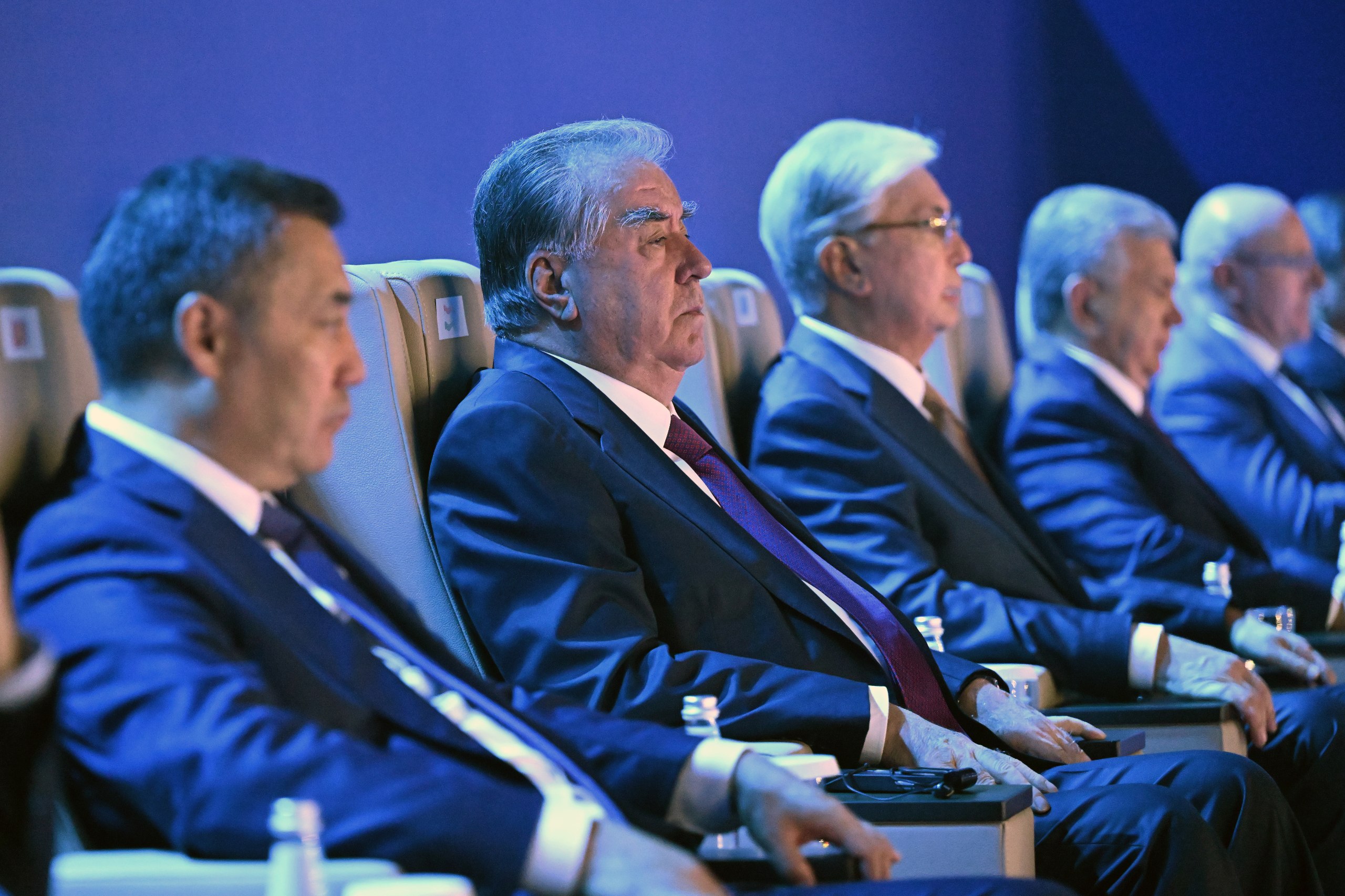
The document covers the joint development of the Maikhura tungsten deposit and the creation of a full production cycle—from raw material extraction to finished products. The signing took place during the Dushanbe Investment Forum, and the signing ceremony was presided over by Tajik President Emomali Rahmon.
Tajikistan's Minister of Industry and New Technologies, Sherali Kabir, noted that the Maikhura project will serve as an example of mutually beneficial cooperation that will contribute to the country's industrialization and strengthen economic ties with South Korea.
According to the agreement, GBI Innovation, in collaboration with the state-owned company TALCO, plans to reach production of 4,000 tons of tungsten concentrate per year within three to four years. The concentrate will be processed on-site into tungsten oxide and tungsten carbide for further use in domestic industry.
Tungsten is used in high-tech industries such as semiconductor manufacturing, defense, secondary batteries, automotive, and aerospace. Establishing a stable tungsten supply chain is of strategic importance for South Korea, which is striving to achieve self-sufficiency in this key mineral.
The Maikhura mine boasts a high tungsten concentration in its ore—1.0%, five times higher than the global average (0.2%). Including production at the Uljin Ssanjeong mine in South Korea, the total concentrate output will be approximately 5,000 tonnes, which will almost completely satisfy Korea's annual domestic demand of 3,400 tonnes.
GBI Innovation President Kim Young-woo emphasized the importance of a stable supply chain for strategic minerals and expressed willingness to expand cooperation on other minerals, including rare earth elements and lithium.
Tajikistan's Minister of Industry and New Technologies, Sherali Kabir, noted that the Maikhura project is an important step in the country's industrialization and the creation of a sustainable supply chain for strategic resources for its partners. Investment Commissioner Rahim Joda announced that the government will provide over 200 investment and tax incentives for the project's successful implementation.
The project envisions the creation of a local, full-cycle value chain—from raw material extraction to processing and production of finished products—in Central Asia, ensuring competitiveness and supply stability in the global market.
Tajikistan accounts for approximately 20% of global production of antimony, including rare earth elements and lithium, and is gradually becoming a resource hub for Central Asia with rich reserves of strategically important minerals.