Translated with AI















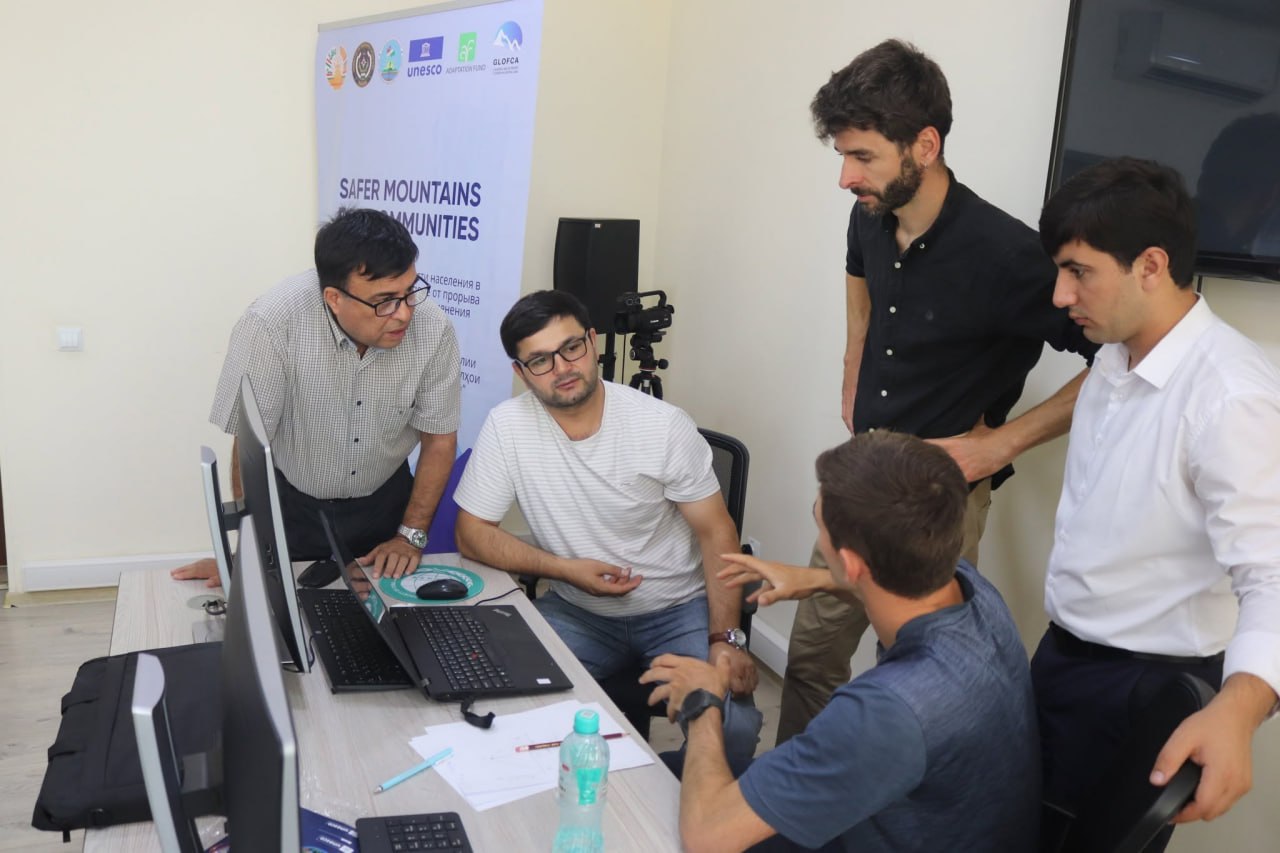


















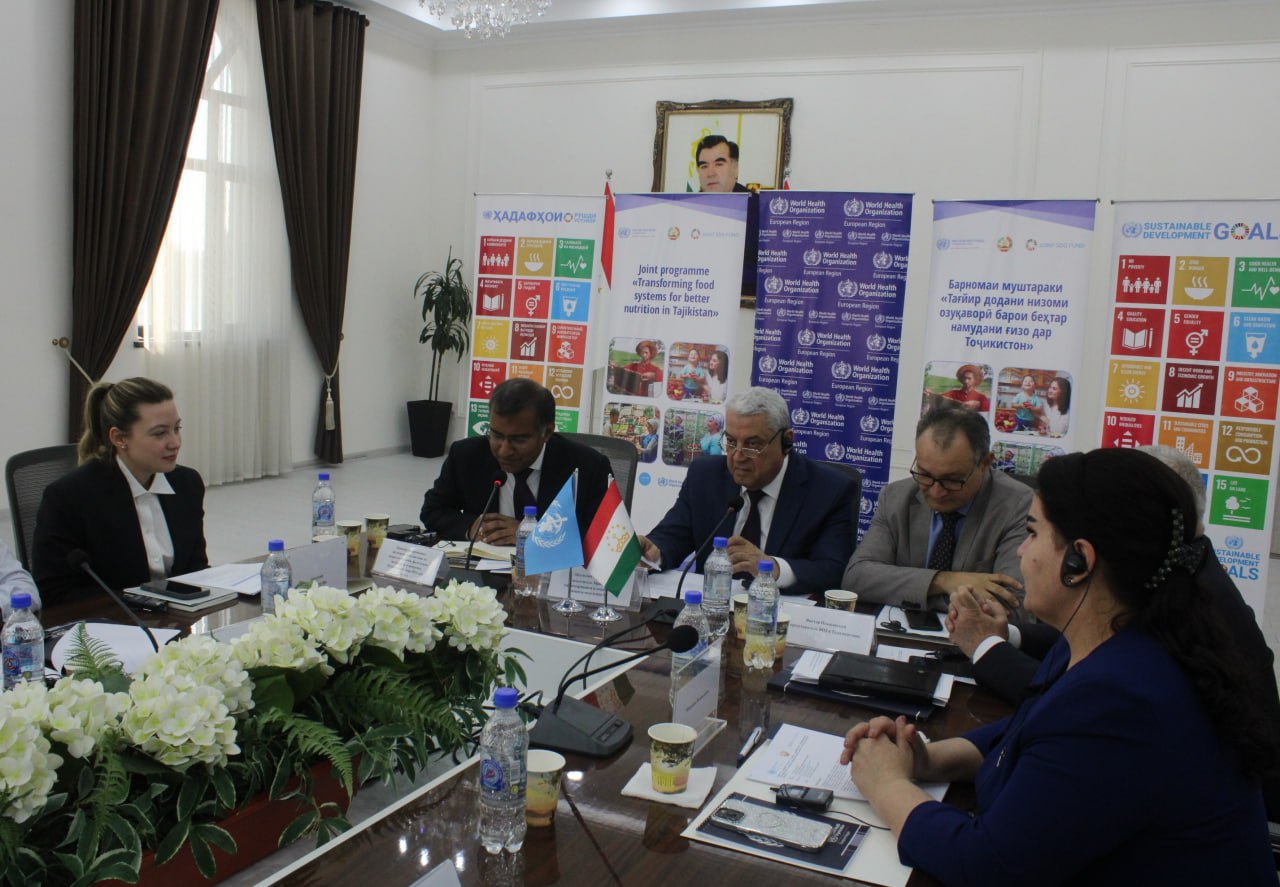
A working session was held in Dushanbe as part of a policy dialogue dedicated to the prevention of non-communicable diseases through food systems and intersectoral measures, according to the Ministry of Health and Social Protection of the Republic of Tajikistan.
During the meeting, participants discussed key public health policy issues, including reducing salt intake, eliminating trans fats, taxing sugary drinks, and limiting the marketing of unhealthy foods to children.
It was noted that noncommunicable diseases are the leading cause of death and disability in countries of the World Health Organization's European Region, posing serious challenges to public health. These diseases are associated with four changing risk factors: smoking, sedentary lifestyle, unhealthy diet, and harmful alcohol consumption.
The aim of the dialogue is to improve public health and promote healthy nutrition through reforming food systems, preventing infectious diseases, and strengthening measures and coordination of actions to improve overall health.
The meeting emphasized the need for intersectoral collaboration between healthcare, education, agriculture, and other agencies to implement comprehensive measures to prevent non-communicable diseases.