Translated with AI


































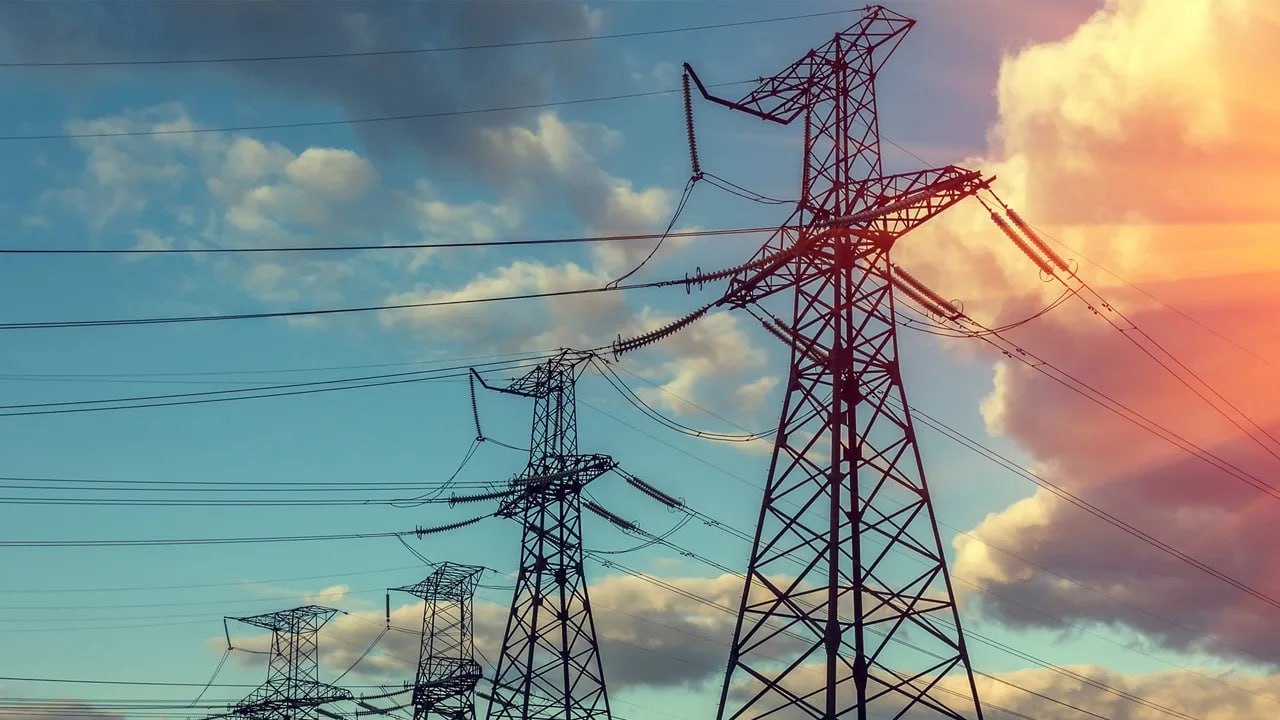
During the Kazakhstan Energy Week 2025 forum, Kazakhstan Energy Minister Yerlan Akkenzhenov met with his Tajik counterpart, Daler Juma, to discuss prospects for synchronizing the energy systems of Kazakhstan, Tajikistan, and Uzbekistan. The meeting took place on October 2 in Astana, according to the press service of the Kazakh Ministry of Energy.
Key topics of the talks included the development of the electric power industry, interstate cooperation, and the coordination of electricity supplies from the Rogun Hydroelectric Power Plant, as stipulated by the 2023 memorandum. Kazakhstan expressed its readiness to sign an intergovernmental agreement on the supply of Tajik electricity.
"We view this agreement as a comprehensive instrument that will help balance the energy system, support agriculture, and strengthen food security," emphasized Erlan Akkenzhenov.
According to the ministry, KEGOC and Tajik energy companies will continue to work together to agree on technical parameters for electricity transit. Previously, Uzbekistan and Tajikistan signed a long-term 20-year agreement for electricity supplies from the Rogun Hydroelectric Power Plant. The agreement provides for the export of Tajik electricity to Uzbekistan, primarily during periods of peak demand.
Environmental component of the project
The construction of the Rogun Hydroelectric Power Plant on the Vakhsh River, approximately 230 km from the border with Kazakhstan's Turkestan region, is being carried out in accordance with the "no net loss" principle for the environment. According to the updated environmental and social impact assessment, the loss of 262 hectares of forested land will be offset by the restoration of 786 hectares of new forests—three times the lost area.
The program includes three priority areas:
– restoration and protection of juniper forests;
– protection of coastal ecosystems;
– preservation of local fruit and nut trees.
The implementation of environmental measures will require approximately 7.5 million dollars, and the annual maintenance of restored forests is estimated at 10.5 thousand dollars.
Power and importance of hydroelectric power plants
The Rogun Hydroelectric Power Plant, with an installed capacity of 3,780 MW, will be the largest hydroelectric power plant in Central Asia. Once fully operational, the plant will generate over 14.5 billion kWh of electricity annually. The turbine hall will house six turbines, each with a capacity of 630 MW, with the final unit scheduled to be commissioned by 2029. The first two turbine generators have been operating since 2018 and 2019.
In 2024, the station generated 1.22 billion kWh, which is 5.5% of the total electricity produced in Tajikistan.
Experts note that the agreement on electricity supplies from the Rogun Hydroelectric Power Plant will be an important step toward creating a unified energy space in Central Asia and strengthening regional energy security.