Translated with AI















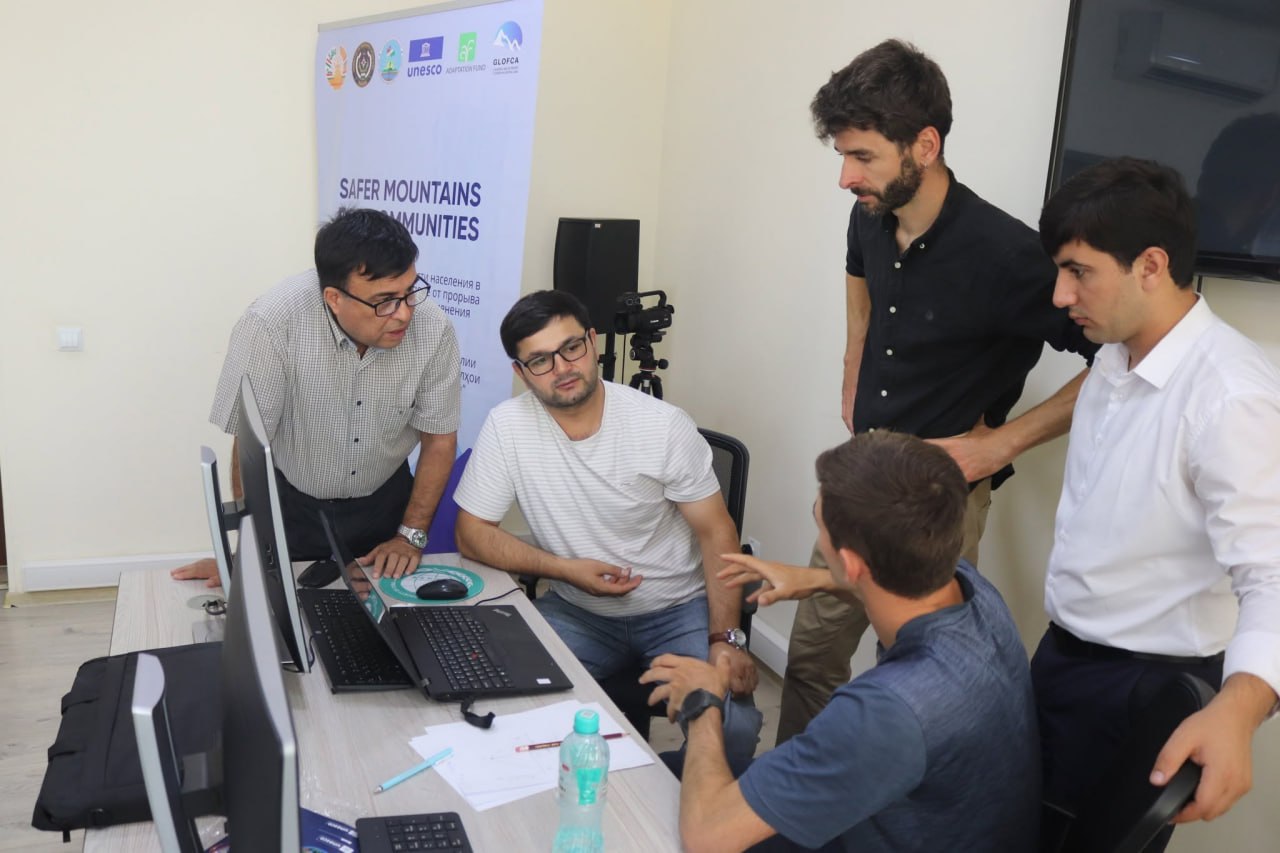
















Russia is ready to become the fifth member of the Central Asian Electricity Coordination Council (CAEC), which will help synchronize the region's energy system development plans and reduce the risk of water shortages. This was announced by Fyodor Opadchiy, head of the System Operator of the Unified Energy System of Russia, according to the press service of the CIS Executive Committee.
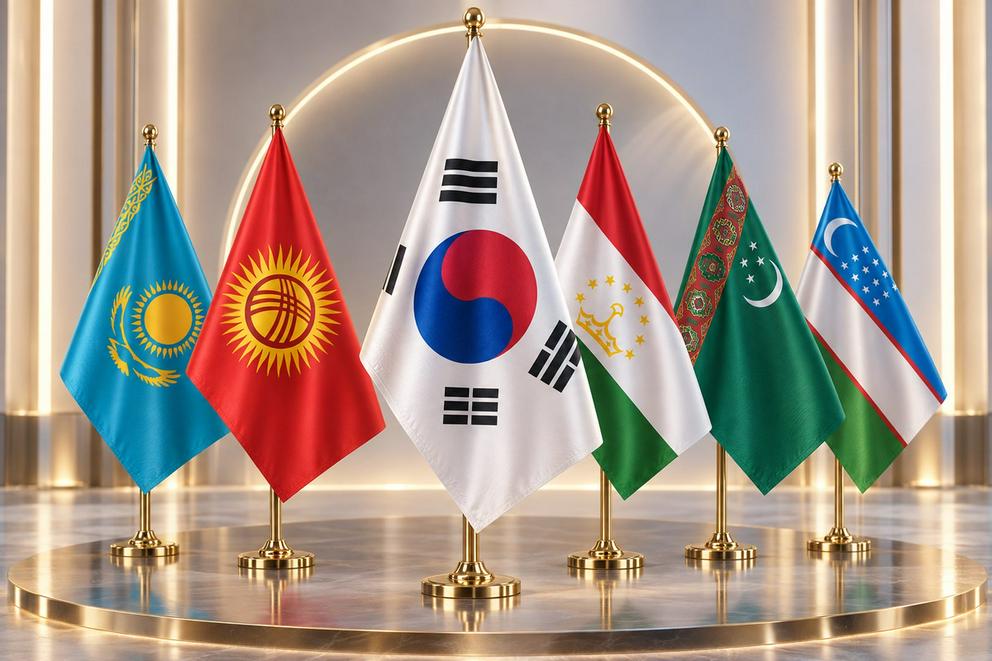
Currently, the Central Asian Economic Community includes Kazakhstan, Kyrgyzstan, Tajikistan, and Uzbekistan, with the Russian side participating as an observer.
"At the Russian government level, work has begun on Russia's accession to the agreement on the parallel operation of Central Asian power systems. Russia's system operator, with experience managing one of the world's largest power systems, can make a significant contribution to synchronizing and balancing the region's power grids," Opadchiy said.
Experts note that Russia's connection will allow Central Asian countries to address their energy needs without compromising their water supply. Kyrgyzstan and Tajikistan will be able to avoid forced winter water releases from reservoirs to provide electricity, while downstream countries—Kazakhstan, Uzbekistan, and Turkmenistan—will receive the necessary water for irrigated agriculture during the growing season.
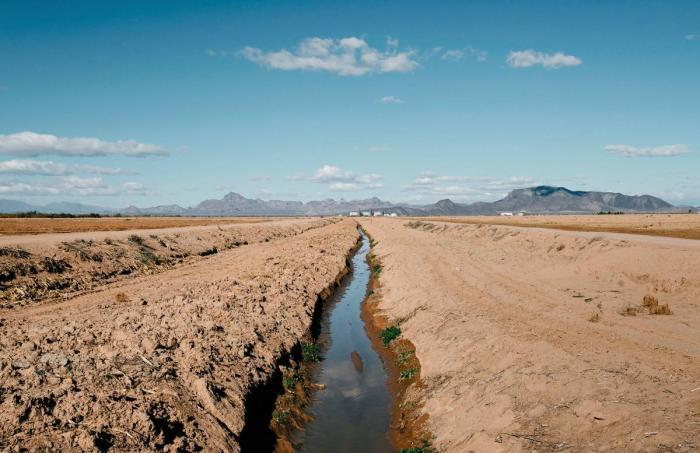
Water resources remain a key issue for the region. According to Kazakhstan's Deputy Prime Minister Kanat Bozumbayev, the growing season is taking place under extremely challenging conditions, and the low water levels of recent years require Central Asian countries to strictly adhere to agreements and transition to modern water conservation systems.
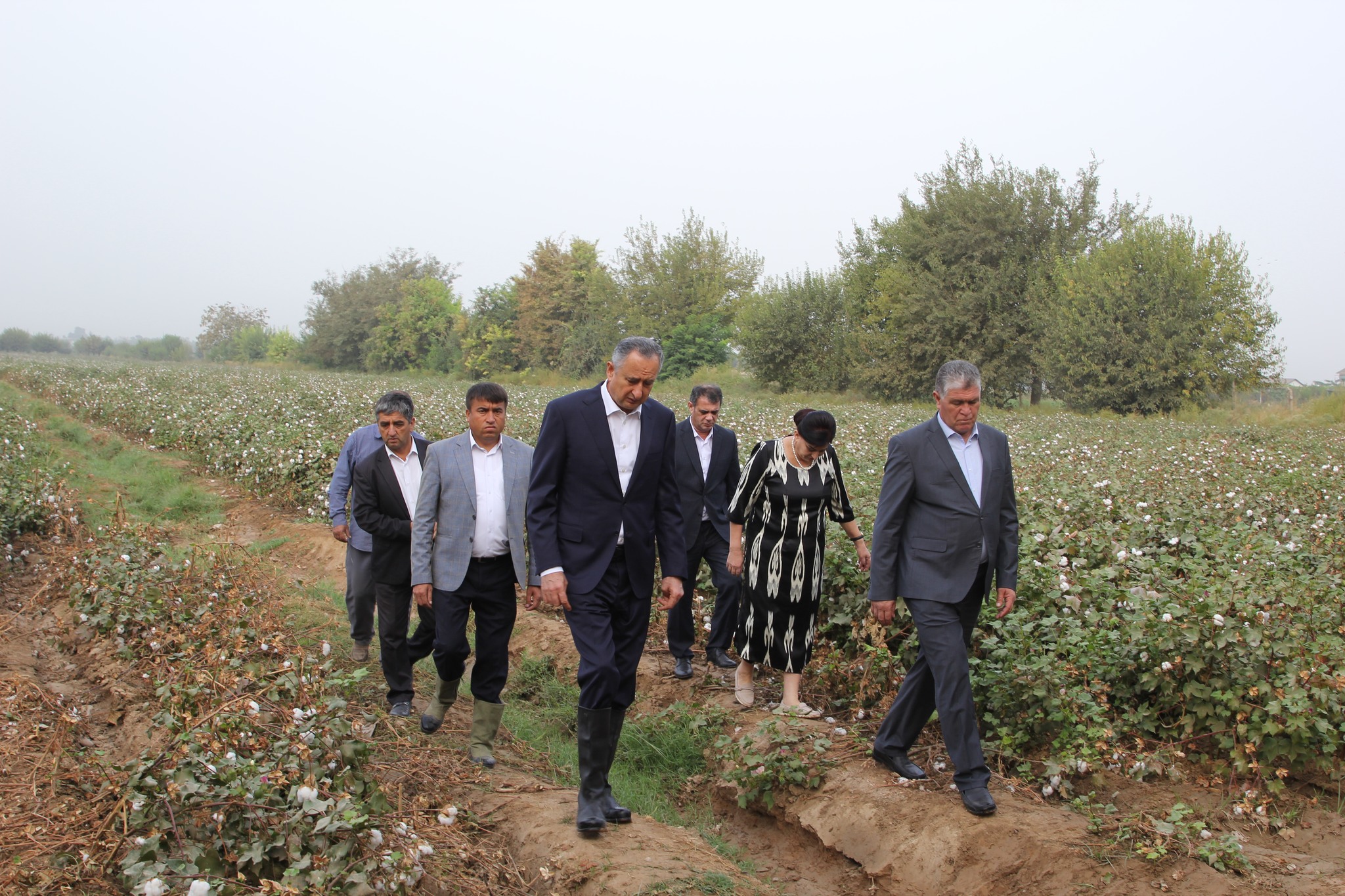
Scientists attribute the situation to both the effects of global climate change and irrational water use and deteriorating irrigation infrastructure. In Tajikistan and Kyrgyzstan, up to 60% of water is lost due to the use of quotas from the Amu Darya and Syr Darya basins.
Experts estimate that Russia's integration into the common energy system will allow countries in the region to reduce losses, balance energy interests, and create conditions for a more equitable distribution of transboundary water resources.