Translated with AI





























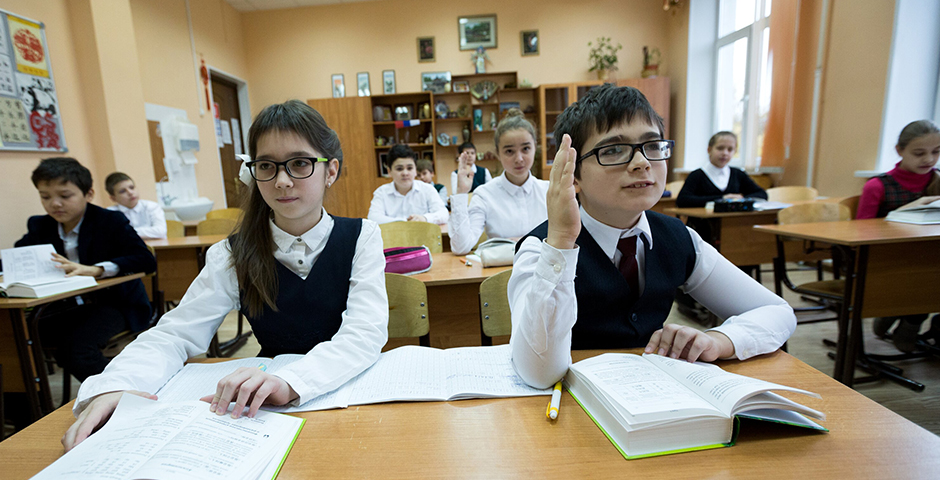
In 2025, over 87% of children of foreign citizens applying to study in Russian schools were not enrolled, according to the press service of Rosobrnadzor.
According to the agency, 23,616 applications were submitted from April to August. 8,223 children submitted a complete set of documents, and 5,940 were admitted to testing. 2,964 minors passed the tests—approximately 12.6% of the total number of applicants.
Russian language testing will be conducted starting April 1, 2025, and is a mandatory requirement for admission. It takes into account the level of preparation for each grade: first-graders are tested on oral communication and grammar, while older students are assessed on reading and writing.
In addition to taking the test, parents are required to provide documents confirming their relationship, legal residence in Russia, a medical report, and notarized translations of all documents. If the documents are incomplete, the school will return the application without review.
The absence of a positive test result or deficiencies in documents are grounds for denial of admission to general education institutions, Rosobrnadzor emphasized.
On August 20, State Duma Speaker Vyacheslav Volodin reported that following the introduction of mandatory Russian language testing for migrant children in schools, the number of such students in elementary and middle grades had decreased. The State Duma Speaker cited the example of the Nizhny Novgorod Region, where migrant applications to schools had decreased by almost 10 times, and the Voronezh Region, where the number had decreased by seven times.
He recalled that in 2026, a system for the automatic exchange of data on migrant children and their families between education authorities and the Ministry of Internal Affairs will also begin operating, increasing the efficiency of registering and monitoring foreign citizens in Russia. The law on this was passed in late July.