Translated with AI









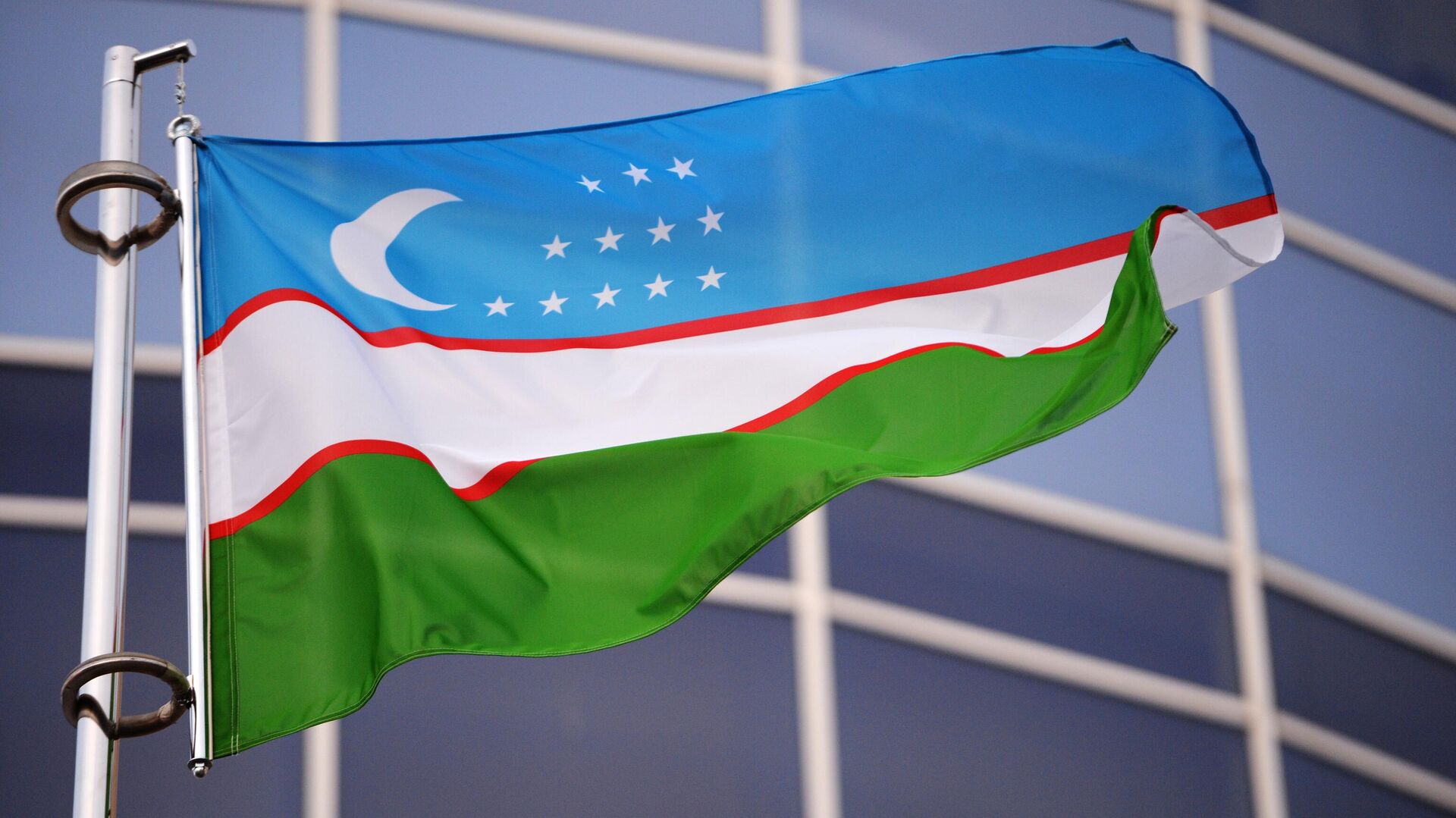




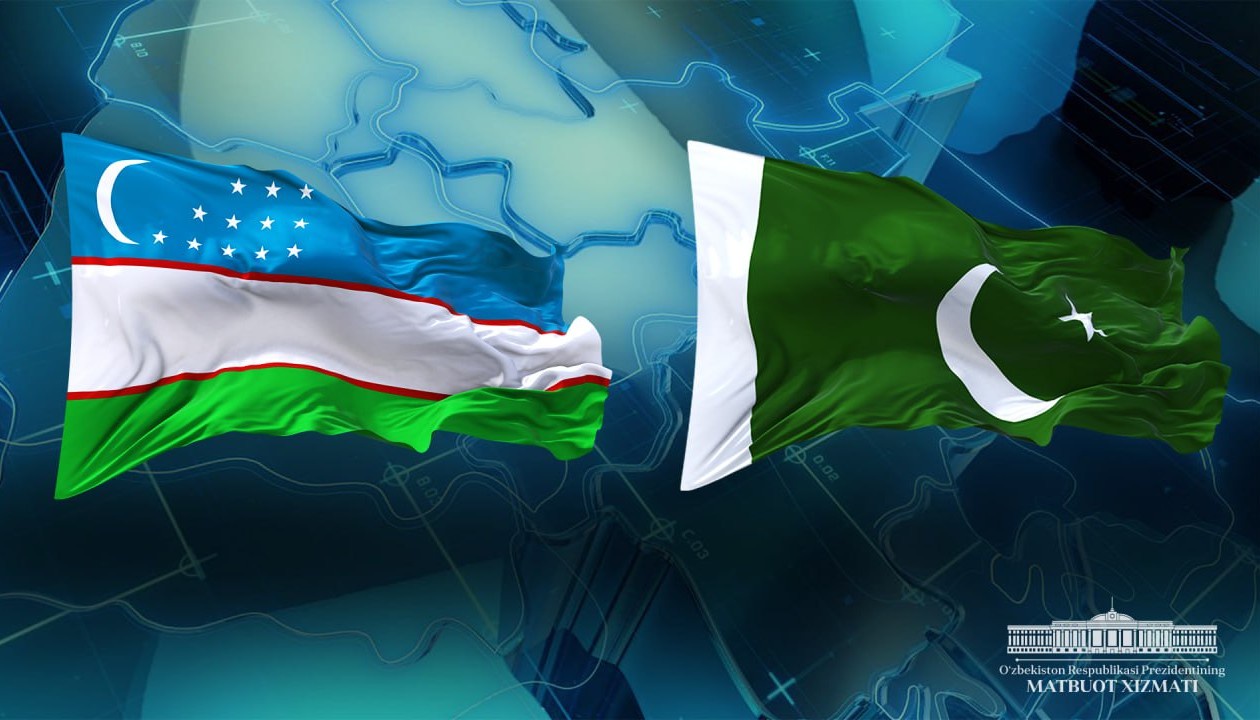
In recent years, a new strategic vector has increasingly emerged in the Eurasian space: cooperation between Uzbekistan and Pakistan. The two countries, located at the historical crossroads of ancient trade routes, are now consistently building a modern "architecture of connectivity" that permeates all key areas—economics, culture, education, and technology. Shared centuries-old historical roots, dating back to the time of the Great Silk Road, are being translated into concrete projects and initiatives capable of strengthening economic resilience, ensuring technological independence, and creating a solid foundation for regional integration.
Since the early 2020s, relations between Tashkent and Islamabad have steadily developed, largely due to the determined political will of both countries' leaders. The Joint Declaration on Strategic Partnership, signed in 2021, set a high pace for bilateral dialogue, opening a new chapter in the history of relations . Regular meetings between the heads of state, active consultations between the foreign ministries, and participation in international forums enable timely discussions of pressing issues, finding mutually acceptable solutions, and identifying promising areas of cooperation.
A striking example of strengthening bilateral ties was the official visit of Pakistani Prime Minister Shahbaz Sharif to Uzbekistan in February 2025 and his meeting with President Shavkat Mirziyoyev. The leaders of both countries noted with deep satisfaction the impressive momentum of multifaceted cooperation, which encompasses the economy, investment, transport, digital technology, and cultural and humanitarian exchanges.
Praising the achievements of large-scale reforms in Uzbekistan during the presidency of Shavkat Mirziyoyev, Sh. Sharif stated: “Miracles are possible only thanks to a clear vision, high dynamism, hard work, and a determined pursuit of a common goal.”
The Pakistani Prime Minister's visit to Uzbekistan culminated in the establishment of the High-Level Strategic Partnership Council , giving bilateral relations a new strategic impetus. This step not only cemented the agreements reached but also created a solid institutional platform for systemic cooperation.
The legislative framework for bilateral cooperation plays a key role in strengthening strategic interaction between Uzbekistan and Pakistan. Interparliamentary friendship groups make a special contribution to this, systematically promoting legislative initiatives that facilitate business interaction procedures, increase transparency, and create a reliable legal framework for the implementation of joint projects. Their work creates a long-term platform of trust that ensures stability and predictability in bilateral relations.
The economic sector, in turn, is the most visible indicator of the dynamics of cooperation. Pakistan confidently ranks among Uzbekistan's leading trading partners in South Asia, demonstrating a strong interest in the Uzbek market. In recent years, trade between the countries has increased significantly and continues to grow steadily. In 2025, mutual trade volume exceeded $440 million , 12 times higher than in 2016. Of particular note is the export of Uzbek products, which amounted to over $320 million .
These statistics not only reflect the growing interest of businesses in both countries in expanding mutually beneficial cooperation but also demonstrate the emergence of a more diversified and sustainable trade model , encompassing new industries and segments. The current situation creates the foundation for the subsequent development of investment flows, financial services, and joint projects in mining, energy, and digital technologies, opening up additional opportunities for the strategic deepening of the partnership.
In accordance with the agreements reached at the highest level, specific steps have been outlined to increase the volume of mutual trade turnover to $2 billion in the near future.
An important tool for achieving this goal has become the preferential trade agreement , which provides customs benefits on 17 types of goods on each side, which significantly facilitates the entry of companies into the partner's markets and stimulates the expansion of trade flows.
At the same time, business ties are rapidly expanding : more and more Uzbek and Pakistani companies are finding each other, establishing joint ventures, and exploring new niches. As of October 1, 2025, approximately 180 companies with Pakistani capital were operating in Uzbekistan, demonstrating a real increase in business confidence in joint projects and long-term partnerships.
Cooperation spans a wide range of industries – from textiles and food processing to construction materials, electrical engineering, and logistics. Regular meetings of the intergovernmental commission, business forums, and specialized exhibitions are becoming convenient and effective platforms for direct dialogue between entrepreneurs, sharing experiences, and concluding contracts. Already , agreements signed at these venues amount to hundreds of millions of dollars , demonstrating real economic returns and creating a solid foundation for further expansion of mutually beneficial cooperation.
In 2024, Tashkent hosted the first "Made in Pakistan" International Exhibition and a joint Logistics Forum, featuring over 80 leading Pakistani companies. These events created a platform for direct dialogue between entrepreneurs, demonstrating the real potential for joint business and logistics collaboration.
In response, the "Made in Uzbekistan" national exhibition was held in Lahore in February 2025, resulting in the signing of 181 trade agreements worth a total of $500 million . These events vividly illustrate the bilateral interest in expanding trade turnover , as well as growing business confidence in the prospects for joint work.
At the same time , significant progress is being made in investment cooperation . In 2024 , $33 million in Pakistani investment was utilized through joint projects, and from January to July 2025, this figure more than doubled, reaching nearly $70 million . This sustained investment growth reflects increased mutual interest in long-term projects , confirms the stability of the business climate, and opens new opportunities for expanding the strategic partnership between the countries.
Active work continues on joint projects in the textile, pharmaceutical, and perfume industries , as well as in agriculture , allowing both sides not only to strengthen traditional economic sectors but also to develop new niches with high added value potential. For example, in Pakistan, the Uzbek side is conducting project research on the production of household appliances, tractors, smart meters, and modern aerated concrete blocks , opening up opportunities for technological exchange and the implementation of modern production solutions .
Particular attention is being paid to the digital sector , where a wide range of promising initiatives are being developed: software development, IT solutions for businesses and government services, and the development of joint startups and innovative projects . This focus allows for accelerated technological modernization, increased company competitiveness, and the integration of software products into key economic sectors .
Equally significant is the development of trade infrastructure . In 2025 , Uzbek trade houses opened in Lahore and Karachi , and Pakistani trade missions are planned for Tashkent and Samarkand . These initiatives not only facilitate companies' access to each other's markets but also create a practical basis for expanding trade, stimulate business cooperation, and strengthen trust within the business community .
Thus, the combination of industrial, digital, and infrastructural cooperation creates a multi-layered platform for the accelerated development of bilateral relations , transforming Uzbek-Pakistani cooperation into a strategically significant and mutually beneficial project.
The development of transport infrastructure remains a priority area of bilateral dialogue. Central and South Asia have been closely linked by trade and cultural routes for centuries, and today, targeted steps are being taken to restore this natural interconnectivity. Modern improvements in logistics, the development of new transport corridors, and the simplification of shipping procedures create real opportunities for increasing trade turnover and deepening cooperation . For landlocked Central Asian countries, reliable transport links are becoming a key factor in sustainable economic growth and regional integration .
One of the key projects is the Trans-Afghan Railway – a strategic corridor with the potential to radically transform regional transport networks , strengthen the countries' positions as key players in the Eurasian economic space, and create a sustainable foundation for trade, investment, and logistics flows between Central and South Asia. By reducing cargo delivery times from several weeks to 3–5 days and lowering transportation costs by 40% or more , this route will dramatically increase the competitiveness of goods from the region's countries in foreign markets and stimulate export and import activity.
In 2025, concrete results were achieved: key components of the feasibility study were prepared, and intergovernmental consultations on route design and financial support conditions are ongoing – this supports the project’s implementation at a practical level.
Energy cooperation remains an equally important area, where both sides have significant potential for collaboration. Projects involving geological exploration, oil and gas field development, and the modernization and expansion of processing facilities can ensure strategic energy security, diversify energy sources, and stimulate industrial development in both countries.
Alongside economic cooperation, cultural and humanitarian cooperation is actively developing, as the peoples of Uzbekistan and Pakistan share a rich historical heritage dating back to the Silk Road. Today, this commonality manifests itself in joint scientific projects, educational initiatives, and cultural exchanges that strengthen human ties and build a long-term foundation of trust.
Particular attention in Pakistan is being paid to the concept of the Third Renaissance proposed by President Shavkat Mirziyoyev, which is seen as a continuation of Uzbekistan's rich historical and scientific heritage . The spiritual and scientific school founded by such eminent scholars as Al-Khwarizmi, Mirzo Ulugh Beg, and Zahiriddin Muhammad Babur serves as a source of inspiration for modern educational and innovative projects, fostering cultural and intellectual ties between the countries.
Tourism, a key element of bilateral cooperation, deserves special attention . Uzbekistan, with its unique spiritual and architectural heritage, is increasingly attracting Pakistani tourists and pilgrims. Ancient cities, historical monuments, and the mausoleums of eminent scholars —Imam Bukhari, Imam Termizi, and Bahauddin Naqshband—not only reveal the country's rich cultural and scientific tradition but also strengthen human ties that are as strong as formal interstate agreements.
A significant catalyst for this process has been the development of transport accessibility. Direct flights between Islamabad and Tashkent, as well as between Tashkent and Lahore , have provided convenient travel options, attracting over 10,000 tourists from Pakistan in 2025—almost 2.5 times more than in 2023. These statistics demonstrate not only the popularity of tourist routes but also the effectiveness of integrated efforts in the transport and logistics sectors .
Taken together, tourism, cultural, educational, and economic initiatives form a solid platform for deepening the relationship between Uzbekistan and Pakistan . This comprehensive model of cooperation not only enhances the economic potential of the partnership but also strengthens long-term trust , making bilateral relations a key component of regional integration between Central and South Asia.
The upcoming visit of Uzbek President Shavkat Mirziyoyev to Islamabad in early February 2026 will mark a significant milestone in the development of the strategic partnership. It will create new opportunities for implementing joint initiatives, intensifying projects in the economy, transport, energy, and digital technologies, and will give further impetus to cooperation, enhancing its practical impact and strategic significance for both countries.
Today, it is especially important to maintain a high level of interaction, expand practical cooperation mechanisms, bring dialogue down to lower levels of governance, and even more actively engage a wider range of participants – regions, small and medium-sized businesses, the scientific and academic community, youth, and civil society institutions.