Translated with AI

































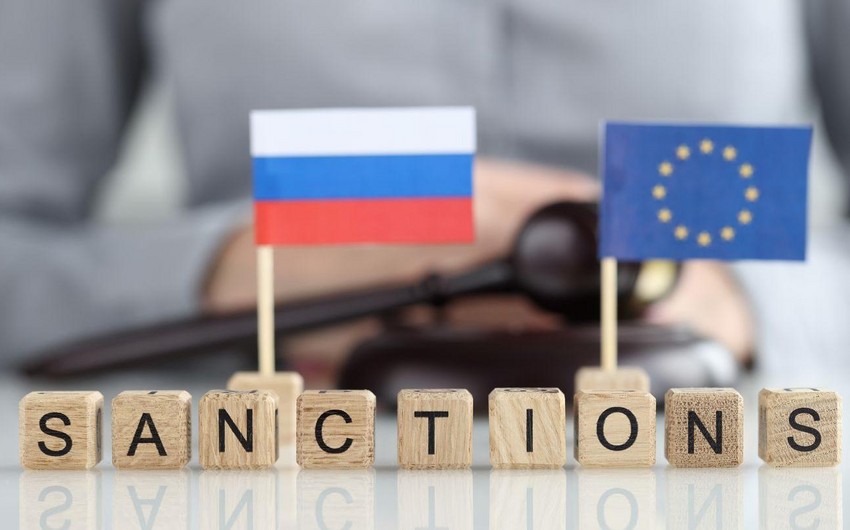
The European Commission has presented a proposal for a 20th sanctions package against the Russian Federation. The new package is timed to coincide with the fourth anniversary of Russia's full-scale invasion of Ukraine, which occurred on February 24. This was reported in materials distributed on Friday, February 6.
The key element of the new sanctions package is a complete ban on the provision of maritime services for all Russian oil exports. This includes a ban on insurance, brokerage services, financing, and other types of maritime services for vessels transporting Russian energy products from Russian ports.
European Commission President Ursula von der Leyen announced that, as part of the 20th sanctions package, the European Union has expanded the list of so-called "shadow fleets" by adding 43 more vessels. This brings the total number of vessels on this list to 640. At the same time, measures are being introduced to make it more difficult for Russia to acquire new tankers.
Broad bans on maintenance and other services for LNG tankers and icebreakers are also being introduced. According to the European Commission, these measures are expected to further reduce the potential of Russian gas export projects.
In the second round of sanctions, the European Union is increasing pressure on the Russian banking system. The new restrictions target 20 more regional banks, as well as cryptocurrency institutions, companies, and platforms that the EU believes are being used to circumvent existing sanctions. Additionally, the measures will target banks in third countries that facilitate the illegal trade of sanctioned goods.
The third set of sanctions envisages tightening trade restrictions. The EU is introducing new bans on the export of goods and services—from rubber and tractors to cybersecurity services—worth over €360 million. At the same time, new import restrictions are being introduced on metals, chemicals, and critical minerals worth over €570 million. Furthermore, additional bans are envisaged on the export of military goods and technologies, including materials used to produce explosives. A quota on ammonia imports is also proposed.
For the first time, the European Union is activating a tool to combat sanctions evasion by banning the export of computer numerical control machines and radio stations to countries with a high risk of their re-export to Russia.
Finally, the European Commission proposes enhanced legal safeguards for EU companies to protect them from intellectual property rights violations and unfair expropriation in Russia related to the application of the sanctions regime.
For the sanctions package to come into force, consensus from all EU member states is required.
Particular attention during the discussion was given to replacing the current oil price cap with a complete ban on maritime services. Sweden and Finland proposed a similar initiative in January. In a letter obtained by DW, Stockholm and Helsinki proposed banning all maritime services for vessels transporting Russian energy from Russian ports, including insurance, brokerage services, and financing.
According to the initiative's authors, this will significantly increase transport costs for Russia and ensure that no EU structure will participate in supporting this trade. Sweden and Finland also called for tightening restrictions on the import of Russian fertilizers into the EU and a ban on the export of European luxury goods to Russia.
Ursula von der Leyen plans to implement a ban on maritime services in coordination with G7 partners, as if it were adopted, the current oil price cap would lose its practical significance for operators from the EU and its accession countries. In the new configuration, the oil price cap, set at $47.60 per barrel, would become a secondary instrument, while the ban on maritime services would be the primary control mechanism.
The Swedish side further clarified that a complete ban on maritime services will prevent EU economic operators from providing services to vessels transporting oil, gas, and coal from Russian ports, regardless of the oil's selling price or whether the vessel is on the sanctions list.
According to data provided by the Swedish side, as of October 2025, approximately 35% of vessels transporting Russian oil did so within the price cap, while 65% were part of the “shadow fleet,” which violated the established limit.
On February 2, Ursula von der Leyen announced that the 20th sanctions package would be presented "very soon," emphasizing that its goal is to increase pressure on Moscow to come to the negotiating table "with a sincere intention of achieving peace." She also announced that she and European Council President António Costa plan to visit Ukraine on February 24.