Translated with AI
























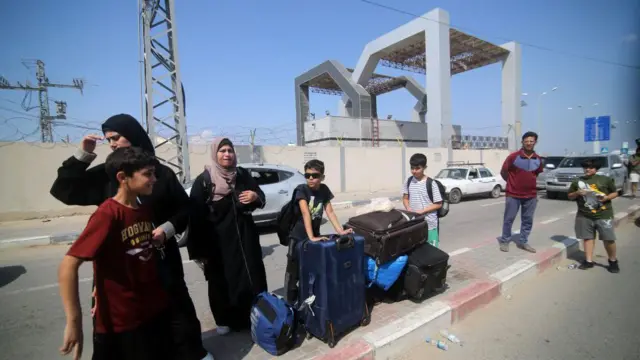
Palestinians attempting to return to the Gaza Strip through the Rafah crossing report pressure from Israel, as well as instances of violence and humiliating treatment by the Israeli military and the Abu Shabaab militias they support, according to the Israeli newspaper Haaretz and data from the Office of the United Nations High Commissioner for Human Rights.
According to a Haaretz report, the procedure for passing through the Rafah crossing, which was delayed and is operating in a limited mode during the second phase of the ceasefire under US President Donald Trump's Gaza plan, is accompanied by numerous difficulties for returning residents of the enclave.
According to the publication, Palestinians seeking to return to their homes in the Gaza Strip are forced to travel a route of approximately 15 kilometers. Along the way, they report being subjected to threats, physical and psychological pressure, cruel treatment, and, in some cases, torture by Israeli soldiers and the armed groups they support.
Palestinians who managed to enter Gaza told local media that the Palestinian embassy in Cairo required them to arrive overnight in the Egyptian city of El-Arish, located near Rafah. After completing procedures on the Egyptian side, they undergo additional security checks on the Gaza side.
Procedures on the Palestinian side are being carried out by Palestinian Authority staff under the supervision of the European Union Border Assistance Mission at Rafah (EUBAM). There is no Israeli military presence at this stage.
Returnees are then transported by bus along Salah ad-Din Street, a distance of approximately five kilometers, to an Israeli checkpoint located in an area controlled by the Israeli army.
Palestinians report that even before arriving at the Israeli military checkpoint, they are subjected to verbal and physical harassment from Tel Aviv-backed Abu Shabaab militants. They report that members of this group search their luggage and confiscate personal belongings and money.
The Office of the United Nations High Commissioner for Human Rights said it had evidence that Palestinians returning to Gaza were being handcuffed, blindfolded and threatened by armed groups.
According to Haaretz , Palestinians brought by Abu Shabab militants to the Israeli checkpoint, which the Israeli army calls "Nekaz Regavim," are subjected to hours-long interrogations. During these interrogations, they are handcuffed and blindfolded, searched, and, according to the Palestinians, subjected to pressure.
Some Palestinians who spoke to Arab media said they were held motionless for long periods during interrogations, despite having chronic illnesses and other health problems.
A UN report published on February 5 noted that returnees to Gaza reported instances of violence, humiliating interrogations, and searches while blindfolded and handcuffed. The document also noted that some individuals were denied access to medical care and toilets, leading to extremely humiliating situations.
According to the report, based on Palestinian testimonies, the Israeli side offered some returnees cash in exchange for re-entering Egypt with their families and refusing to return to the Gaza Strip. According to the complainants, some were also offered to cooperate with the Israeli army as informants.
After the interrogations, which some Palestinians say involved torture, the people, accompanied by UNDP staff, are taken by bus across the so-called "Yellow Line" separating areas controlled by Israel and Hamas, and sent to Nasser Hospital in Khan Yunus.