Translated with AI


























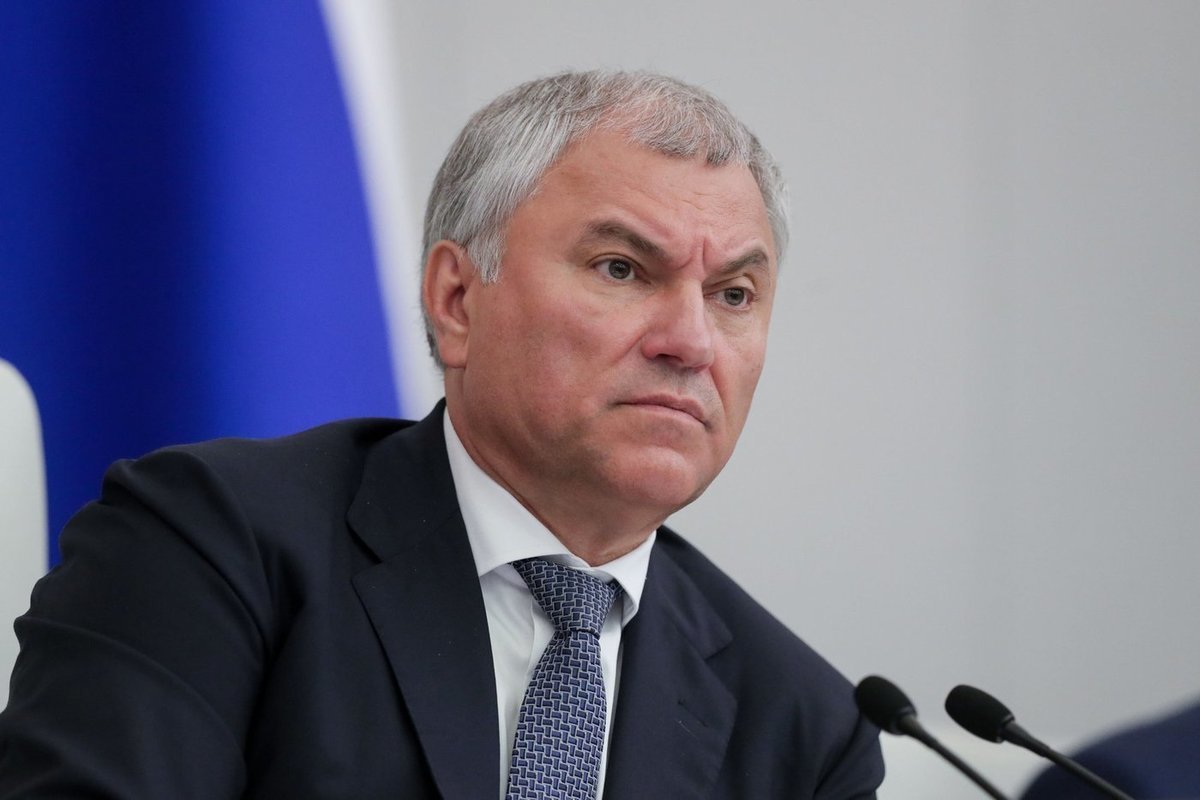
State Duma Chairman Vyacheslav Volodin submitted a bill amending the federal law "On the Legal Status of Foreign Citizens in the Russian Federation" to the relevant committee. This was reported by the press service of the lower house of parliament.
According to Vyacheslav Volodin, improving migration policy remains a key issue on the State Duma's agenda. The bill has been submitted to the Committee on the Commonwealth of Independent States, Eurasian Integration, and Relations with Compatriots and will be considered as a matter of priority.
The proposed regulations stipulate that migrant workers must pay the tax as a fixed advance payment not only for themselves, as is currently the case, but also for all family members dependent on them in Russia. Furthermore, the length of stay of the migrant worker and their family members in the Russian Federation will be determined by the duration of their employment relationship.
According to the initiative, regardless of a foreign citizen's employment status, their children who have reached the age of 18 will be required to leave Russia within 30 days unless they have other legal grounds for residing in the country.
In addition, a patent or work permit for a foreign citizen will be revoked if there is no information about the amount of his income or if the income received is below the subsistence minimum, multiplied by the regional coefficient, calculated for the migrant himself and each member of his family.
It is also proposed to tighten the conditions for foreign citizens who have received temporary residence permits or permanent residency permits. Such documents will not be issued or will be revoked if they were employed for less than ten months during the current year.
According to Vyacheslav Volodin, no economy is interested in the social welfare of migrant workers, and their level of well-being should be proportionate to the goods consumed in the country. He noted that the proposed measures will expand mechanisms for monitoring the income of foreign citizens and the legality of their stay, and reduce the burden on social infrastructure.