Translated with AI





























The US Department of Defense is developing plans for ground operations in Iran, which could take several weeks, The Washington Post reported, citing US officials who spoke on condition of anonymity.
According to sources, a full-scale invasion is not being considered. Limited operations involving special forces and infantry units are being considered. It remains unclear whether US President Donald Trump will approve all, part, or all of the proposed plans.
In recent days, the US administration has been sending conflicting signals. On the one hand, there are statements about a possible end to the conflict, while on the other, there are warnings of escalation. White House Press Secretary Carolyn Levitt stated on March 24 that if Tehran does not abandon its nuclear ambitions and cease its threats against the US and its allies, the president is prepared to "unleash hell on them."
At the same time, she emphasized that the Pentagon's job is to develop various scenarios to ensure the commander-in-chief has maximum freedom of action, and that this doesn't mean a final decision has already been made. Donald Trump himself told reporters in the Oval Office on March 20 that he was not sending troops, adding that if he had made such a decision, he would not have announced it.
Among the potential targets being considered by the Pentagon, sources say Kharg Island—a key Iranian oil export hub in the Persian Gulf—as well as coastal areas near the Strait of Hormuz. Raids are expected to destroy weapons posing a threat to shipping. According to various officials, such operations could take anywhere from several weeks to a couple of months.
On March 27, US Secretary of State Marco Rubio stated that the conflict would not be protracted and noted that the United States could achieve its goals without the use of ground forces. His statement came after Axios reported that preparations were underway for a "decisive strike" against Iran, which could include large-scale bombing and the use of ground forces.
Over the past month, 13 American service members have been reported killed in combat: six in a plane crash in Iraq, six in a drone attack on the port of Shuaiba in Kuwait, and one in an attack on Prince Sultan Air Base in Saudi Arabia. More than 300 US troops have been wounded in Iranian retaliatory strikes on American targets in at least seven countries in the region.
The possibility of a ground operation is causing significant discontent among the American public. According to a joint poll by the Associated Press and the NORC Research Center at the University of Chicago, 62% of respondents oppose the use of ground troops in Iran, while only 12% support such a measure. Opinions on airstrikes are divided: 39% oppose and 33% support.
Amid discussions about a possible operation, the deployment of American forces to the region continues. Specifically, the 31st Marine Expeditionary Unit, numbering approximately 2,200 personnel, has been dispatched. Sources estimate that the unit has significant potential for conducting such operations, but its capabilities are limited in the face of prolonged combat without additional supplies.
According to The Wall Street Journal and Axios, the US administration is considering deploying up to 10,000 troops to the region. The contingent could include ground forces with armored vehicles, as well as units of the 82nd Airborne Division, already deployed to the Middle East.
The US Congress is divided on the possible operation. Congressman Derrick Van Orden stated that he is categorically opposed to sending troops to Iran. Congresswoman Nancy Mace also stated that she would not support a ground operation.
At the same time, Senator Lindsey Graham advocated more decisive action, proposing the capture of Kharg Island and comparing the possible operation to the landing on Iwo Jima during World War II.
Military experts warn of the high risks of such operations. Michael Eisenstadt, director of the Military and Strategic Studies Program at the Washington Institute for Near East Policy, noted that the capture of Kharg Island could result in serious losses due to the threat from Iranian drones and artillery. He believes that a more appropriate strategy would be to conduct mobile operations in coastal areas with rapid troop entry and exit.
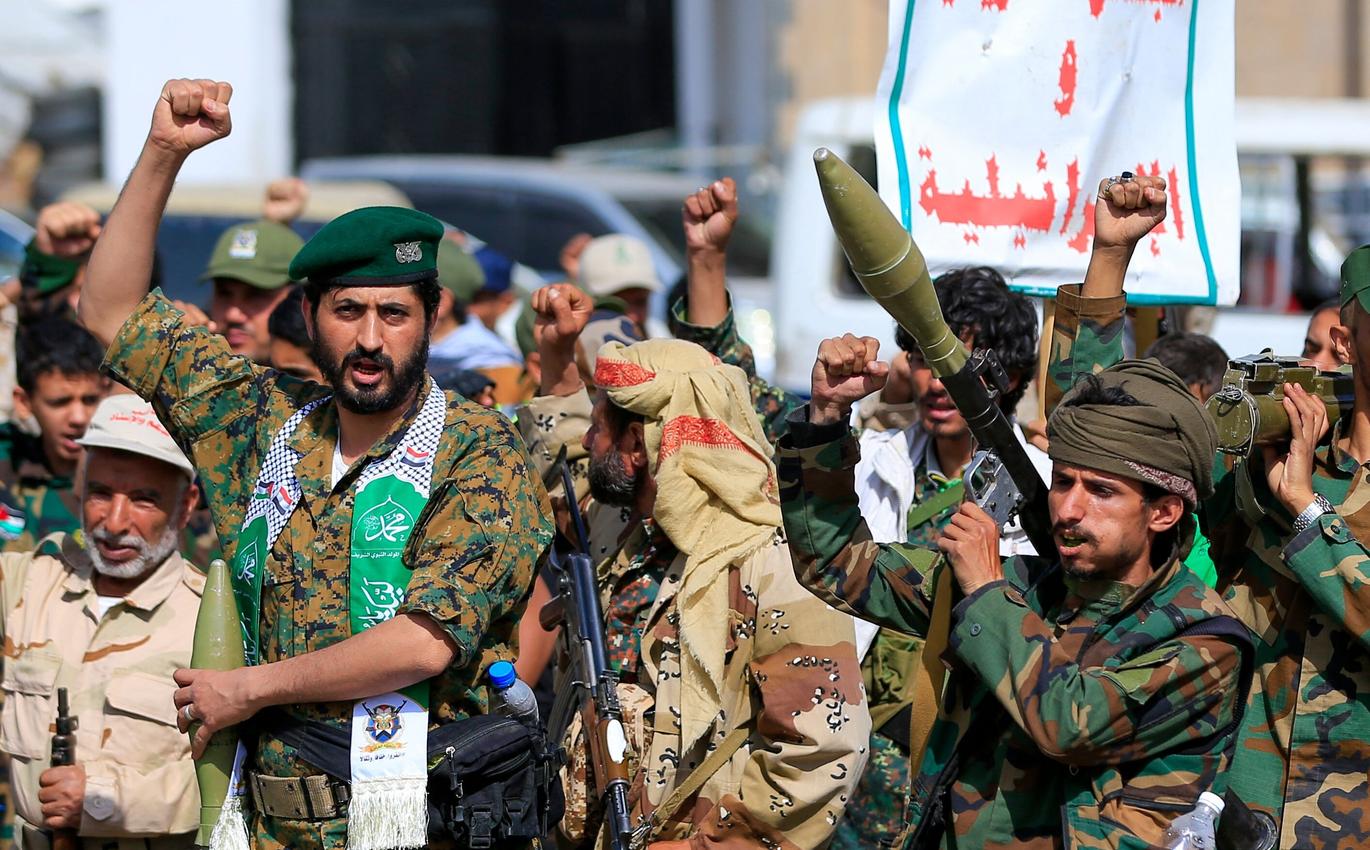
Against this backdrop, Iran is declaring its readiness to repel a possible invasion. Ebrahim Zolfaghari, a spokesman for the Khatam al-Anbiya Central Command, stated that any US action would lead to defeat. According to him, aggression and occupation would end in "the shameful capture, disintegration, and disappearance of the attackers."
Earlier, CNN reported, citing intelligence sources, that Iran was strengthening its military presence and air defense systems on Kharg Island in preparation for a possible US operation.
Thus, against the backdrop of growing tensions, preparations for various scenarios for the development of events continue, while the final decision on the possible start of a ground operation remains with the US President.