Translated with AI
























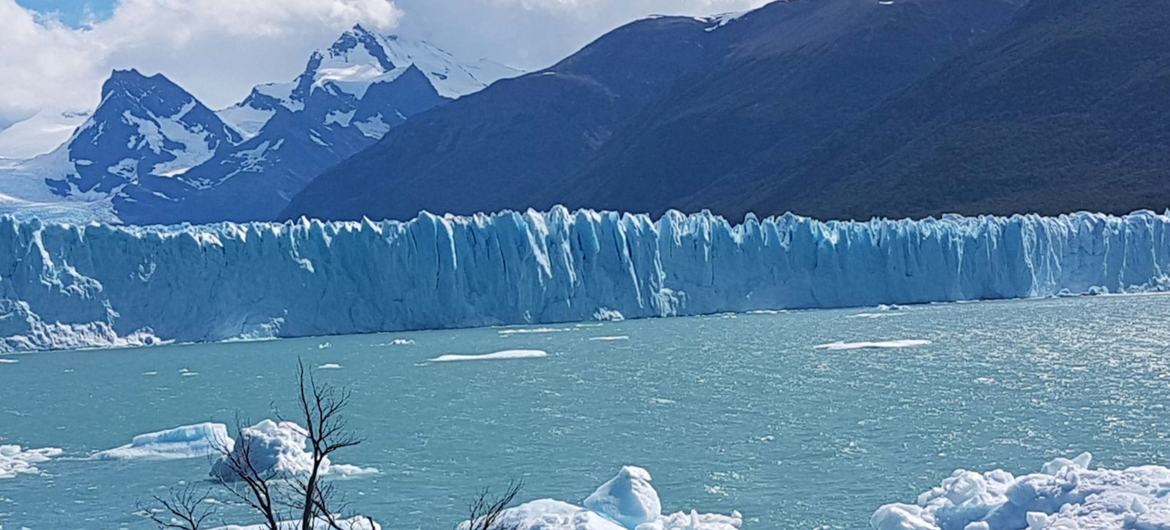
In Central Asia and other mountainous regions around the world, glaciers are melting at an unprecedented rate, causing growing concern among the international community. According to the United Nations press service, rising temperatures are shortening winters and lengthening summers, directly contributing to the accelerated glacier retreat.
Glaciers play a key role in the global water supply. They account for approximately 70 percent of all freshwater reserves on the planet, and nearly two billion people depend on these resources. Water formed in glaciers is used for agriculture, industry, energy production, and household consumption. Furthermore, glaciers play an important climate function—they reflect solar radiation back into space, thereby reducing the heating of the Earth's surface.
As glaciers shrink, the water cycle becomes increasingly unstable, affecting water supplies across the globe. Glacier loss has not only environmental but also serious economic consequences. The United Nations Environment Programme estimates that reduced freshwater supply from glaciers could lead to a loss of up to four trillion dollars in global gross domestic product due to disruptions to agriculture, energy, and urban water supplies.
The situation in Central Asia is developing particularly rapidly. In August 2024, at a regional summit, Uzbek President Shavkat Mirziyoyev noted that the effects of climate change are already being felt in all countries of the region. He cited rising temperatures, melting glaciers, floods, droughts, and dust storms as the main threats.
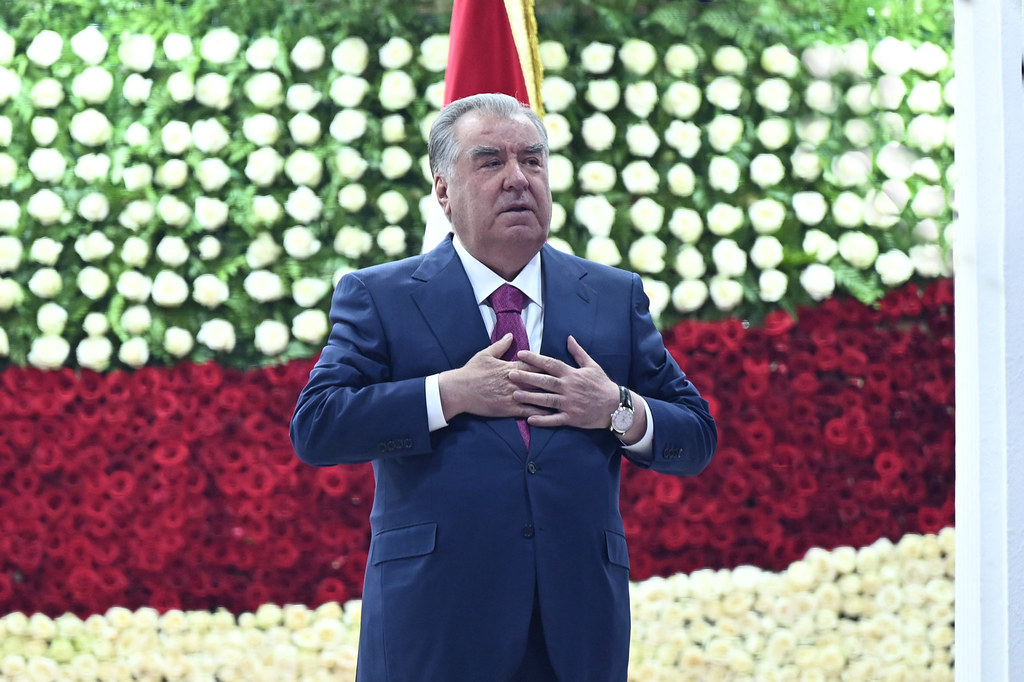
According to a 2022 report by the Eurasian Development Bank, temperatures in Central Asia are rising almost twice as fast as the global average. This is accelerating desertification and increasing glacier degradation. At the May 2025 International High-Level Conference on Glacier Conservation in Dushanbe, Tajikistan President Emomali Rahmon announced that more than 1,000 of the country's 14,000 glaciers have already completely disappeared. He added that over the past decades, the total volume of glaciers in Tajikistan has decreased by almost a third, despite the fact that they account for over 60 percent of Central Asia's water resources.
Similar processes are observed in Kyrgyzstan, where glacier area has decreased by 16 percent over the past 50–70 years. Kyrgyz President Sadyr Japarov warned at the UN Climate Change Conference (COP29) in 2024 that, if current trends continue, a significant portion of glaciers could disappear by the end of the century, posing a direct threat to millions of people.
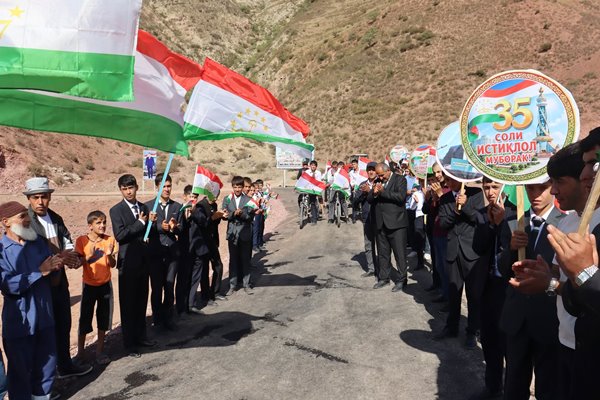
In response to the growing crisis, at the initiative of Tajikistan, the UN General Assembly declared 2025 the International Year of Glacier Conservation. Its official opening took place on March 21, 2025, in New York City, coinciding with the first World Glacier Day.
Following the Dushanbe conference, the Dushanbe Declaration was adopted, expressing grave concern over the continuing loss of glaciers, ice sheets, permafrost, and snow cover. The document emphasizes that these processes could lead to irreversible consequences for ecosystems and negatively impact the economy and society.
The declaration calls for a global glacier inventory, scientific cooperation, integrated climate change adaptation measures, and strengthened interactions between science, policy, and traditional knowledge.
Particular attention is being paid to developing cryospheric research. The launch of the Decade of Action for Cryospheric Sciences aims to expand international cooperation and raise awareness of the importance of permafrost regions.
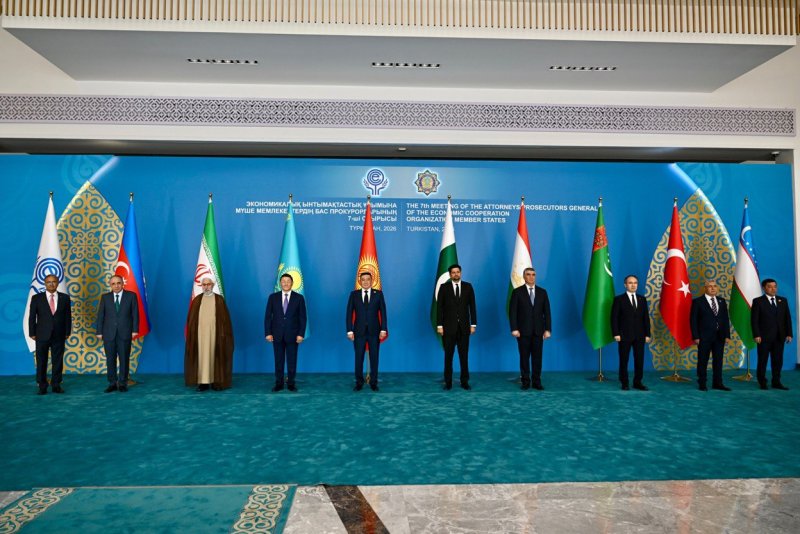
The Central Asian countries—Kazakhstan, Kyrgyzstan, Tajikistan, Turkmenistan, and Uzbekistan—have developed a joint climate change adaptation strategy that prioritizes glacier conservation. This strategy includes joint glacier monitoring and the creation of a unified regional registry.
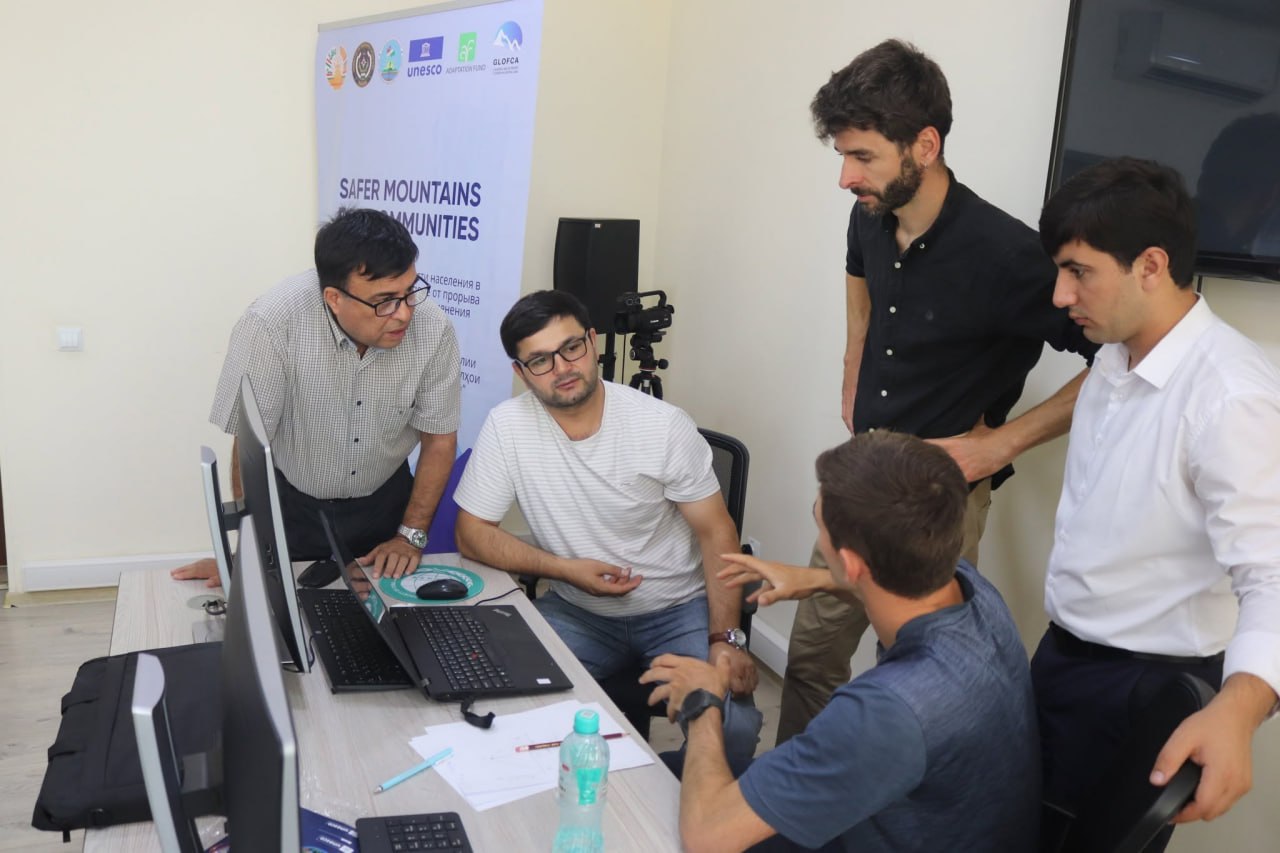
The International Atomic Energy Agency plays a key role in scientific research. In 2025, with its support, the first isotope hydrology laboratory in Central Asia was opened in Tajikistan. The agency provided equipment and trained specialists in glacier study techniques.
Isotope hydrology allows for the monitoring of climate change and glacier melting processes, providing a more accurate understanding of the region's water resources. Furthermore, Tajikistan has initiated the creation of a regional network of laboratories as part of a global water resources analysis system.
The IAEA is also implementing international research projects involving 12 countries, including Kazakhstan and Uzbekistan. These projects aim to improve the assessment of glacier melting processes and their impact on water supplies.
Collecting accurate data on glacier conditions is particularly important, as such measurements are either absent or insufficient in some regions. New technologies, including isotope tracers and neutron probes, make it possible to monitor snow cover and water resource redistribution in real time.
The research also examines the impact of glacial melt on soils and agriculture. The data obtained are used to develop sustainable water management strategies and increase resilience to climate change.
Experts emphasize that no single country can address this problem alone. Regional and international cooperation is seen as key to combating the effects of climate change.