Translated with AI
































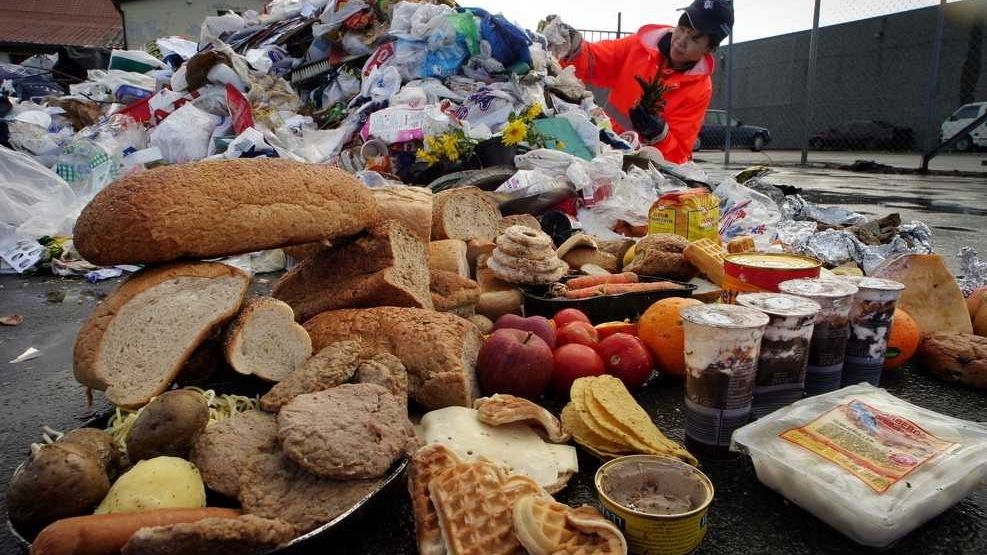
Approximately 1 billion tons of food is wasted annually – nearly a fifth of all food available to consumers. As the world faces serious food security challenges, combating food waste is becoming more than just an environmental initiative, but a global imperative, according to the UN press service.
Ahead of International Zero Waste Day on March 30, we spoke with Nabil Gangi, Acting Representative of the Food and Agriculture Organization of the United Nations (FAO) in Turkey and FAO Subregional Coordinator for Central Asia.
Zero Waste Initiative Turkey is actively promoting the "Zero Waste" approach. A key element of this strategy is the "Zero Waste" project, initiated in 2017 by First Lady Emine Erdoğan. It is a nationwide initiative aimed at reducing waste and optimizing resource use.
As Nabil Gangi notes, this activity extends far beyond the borders of one country: “This agenda is not only Turkish or even regional, but is actually global… We at FAO are coordinating our actions with the Zero Waste Foundation, government agencies, and UN agencies in Turkey to develop specific roadmaps for reducing food waste and promoting a green transformation.”
Numbers that make you think Food loss has a colossal impact on the environment and the economy. As Gangi notes, the scale of the problem becomes clear when looking at the numbers:
- 13 percent of food is lost before it even reaches retailers.
- Food loss and waste accounts for 8-10 percent of global greenhouse gas emissions, nearly five times greater than aviation emissions.
- Halving waste could save 137 million people from hunger.
"If you think about it, almost 30 percent of food produced, including all the resources used—water, fertilizer, and so on—is wasted. By intervening in this process, we reduce the scale of hunger, which affects more than 780 million people worldwide," the FAO representative emphasized.
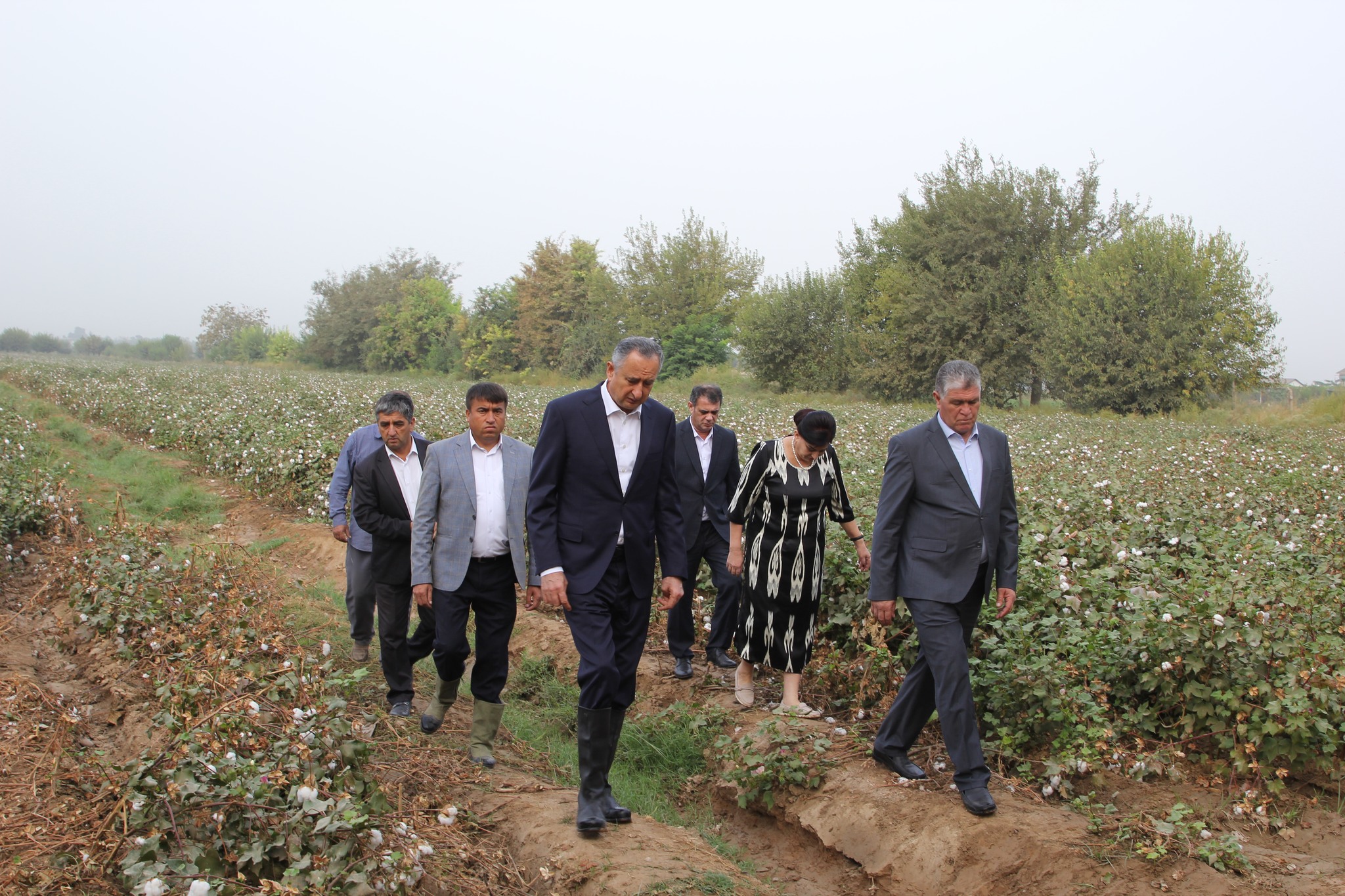
From bakeries to supermarkets: real projects In Turkey and Central Asia, FAO is implementing projects across all stages of the food supply chain. One of the key areas is working with bread, one of the most frequently wasted foods in Turkey.
"We've implemented projects with bakeries to reduce excess bread, which is one of the most frequently wasted foods in Turkey. We've also worked on post-harvest processing in the fruit and vegetable sector, reducing losses during transportation and storage," Gangi said.
Work is also underway at the consumer level. Gangi notes the importance of engaging with supermarkets, retailers, hospitality businesses, and consumers to optimize the food preparation process.
Energy crisis and food security Today, the issue of rational consumption is particularly acute due to the instability of global markets.
"The entire energy-food complex is currently under close scrutiny. War affects not only the price of oil and gas, but also fertilizers. Fertilizers are a resource for food production, just like energy. All this means that food production could decline. This is why we urgently need to ration what we produce and waste," explains Gangi.
What can everyone do? He reminded that solving a global problem begins with the personal choice of each person: “Every initiative matters, and every small action is important.”
"I'd like to remind everyone that reducing waste is something we can all do every day," says Gangi. "Not just as producers, transporters, or retailers, but also as consumers: whether it's more carefully planning your shopping list, storing your food properly, or supporting businesses that reduce waste. Every time we make these choices, we help protect the environment and ensure that food ends up on plates, not in trash bins."