Translated with AI

































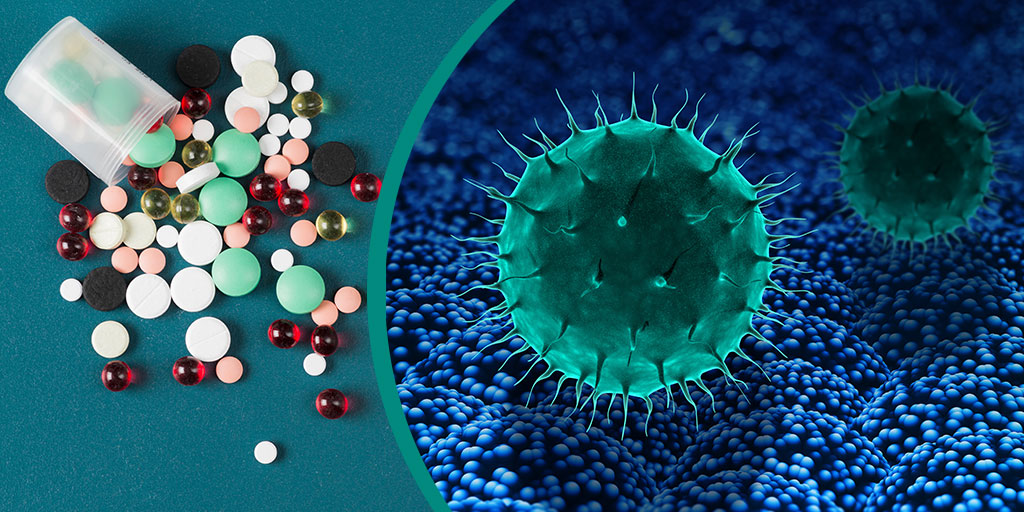
Antimicrobial-resistant infections directly cause at least 1.27 million deaths annually and are an indirect factor in nearly 3.7 million more worldwide. Without urgent action, this figure could exceed cancer mortality by mid-century, according to Roman Kozlov, head of the World Health Organization Collaborating Centre on Antimicrobial Resistance at the Smolensk State Medical University, according to the UN press service.
According to him, the situation with antimicrobial resistance in the Russian Federation is no different from regional or global levels. Moreover, since 2017, the country has had a national strategy aimed at preventing the spread of antimicrobial resistance.
Key areas of the fight remain public awareness, systematic monitoring, and restricting the use of antibiotics in both clinical medicine and agriculture, including livestock farming. International cooperation is particularly important, as microorganisms do not respect national borders.
The expert emphasized that antibiotics are a non-renewable resource. The increase in life expectancy in the 20th and 21st centuries, he explained, is due to access to clean water, vaccinations, and the use of antibiotics. However, bacteria can develop resistance to these drugs, rendering them ineffective.
Inappropriate use of antibiotics remains one of the main causes of the spread of resistance. Patients are advised to strictly follow their doctor's orders and complete their treatment. Much of the effort is focused on public education, including advocacy against self-administration of antibiotics.
Resistance threatens key advances in modern medicine, including organ transplants, cancer treatment, joint replacements, and complex surgeries. Under these conditions, even standard medical procedures can become dangerous for patients.
The problem of the spread of false information and declining trust in science is also noted. In particular, anti-vaccination movements can undermine disease prevention systems. Meanwhile, vaccination not only prevents diseases but also reduces the need for antibiotics.
Antimicrobial resistance is considered a global, cross-cutting problem requiring coordination between health, agriculture, and the environment. This issue has already been discussed twice at the UN General Assembly.
Discussions on measures to combat antibiotic resistance, including addressing misinformation, developing new solutions, and strengthening cooperation between countries, are currently ongoing at international forums.
Particular attention is being paid to the implementation of digital technologies and artificial intelligence-based solutions. Monitoring systems, clinical decision support systems, and data analysis platforms are being developed to improve the effectiveness of the fight against antimicrobial resistance.
According to the expert, international cooperation aimed at developing coordinated solutions and strengthening the global healthcare system remains a key factor in successfully countering the pandemic.