Translated with AI


































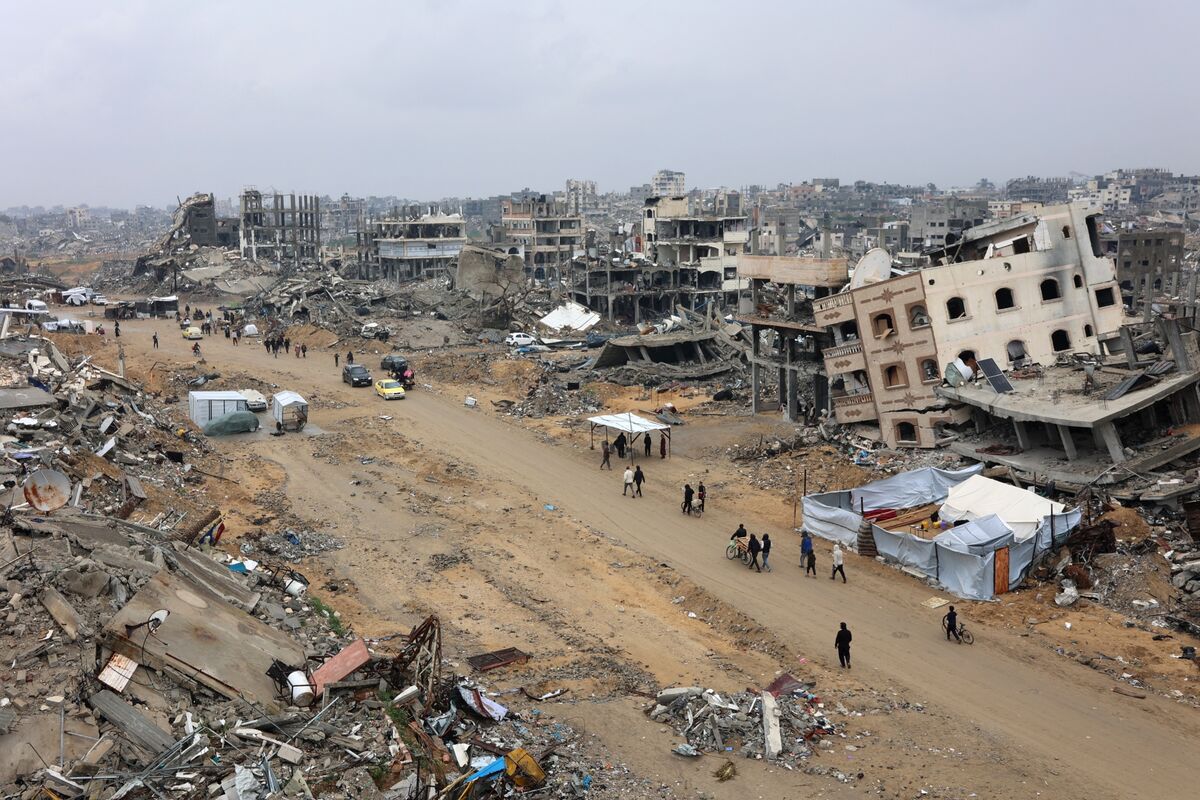
UNESCO announced the launch of a large-scale emergency aid program in the Gaza Strip. $5.7 million has been allocated to protect cultural heritage. The funds are also being used to restore access to education and support local media, according to the UN press service.
The organization plans to further increase its funding to $116.5 million to ensure long-term recovery and strengthening of key public institutions.
During the war, Gaza's cultural heritage suffered significant damage: 164 cultural and historical sites, many of which are important symbols of Palestinian identity, were damaged. UNESCO is conducting emergency repairs and rubble clearing in Gaza's Old City. Five sites have been fortified, and seven more are in the process of being stabilized. Satellite monitoring of the damage is also underway, and local specialists are undergoing training in emergency cultural heritage protection techniques.
The organization also focuses on psychosocial support for the population. More than 8,000 children, adolescents, and their parents forced to flee their homes received assistance through cultural and creative programs. Future plans include reaching 21,000 people with support and providing grants to local artists to restore the region's cultural life.
The education sector in Gaza has also been severely damaged. Damage to the higher education and vocational training sector is estimated at $379 million. Over 80 percent of student campuses have been destroyed or damaged. Nine out of ten students require psychological support, and most faculty members have lost their permanent housing.
In these circumstances, UNESCO is helping children continue their learning through game-based educational programs in mathematics and Arabic, as well as social and emotional development initiatives. High school students have been provided with over a thousand tablets to help them prepare for exams.
Higher education has partially resumed thanks to the creation of the Gaza Virtual Campus, which has already enrolled approximately 20 percent of students. It will eventually provide distance learning to over 30,000 students. Five temporary learning spaces have also been opened in the Gaza Strip, accommodating 13,800 students, including nearly 7,000 women.
Support for journalists remains a separate focus. Over a thousand media workers, 60 percent of whom are women, received psychological support. Laptops, voice recorders, mobile phones, and other communication equipment were purchased for 200 journalists. Around 600 specialists received training in ethical journalism, mobile photography, photo and video production, and countering disinformation.
The organization plans to provide comprehensive support to approximately 1,000 journalists in Gaza in the near future.
UNESCO emphasizes that the scale of the destruction requires long-term international support. Emergency measures are already yielding results, but further assistance from the global community is needed to fully restore culture, education, and journalism.