Translated with AI
































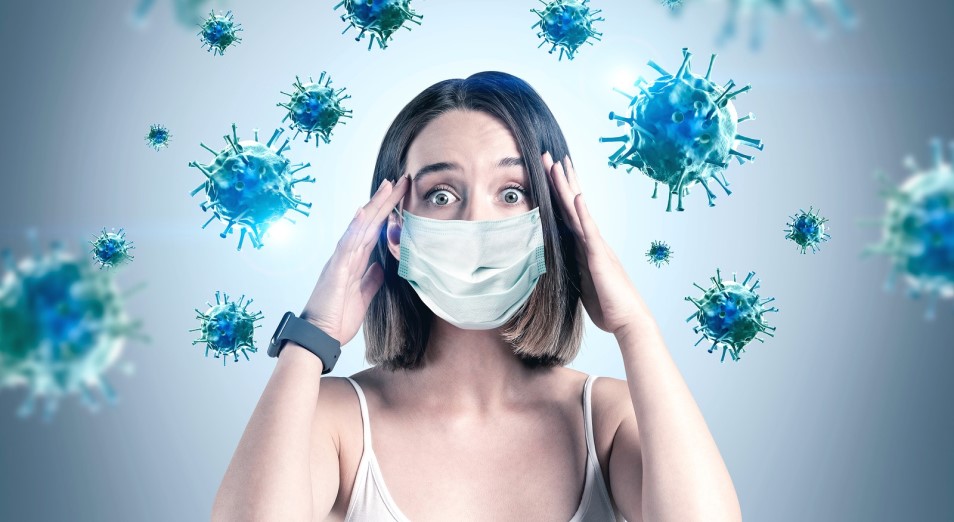
The World Health Organization is monitoring the situation with a new variant of Covid-19, dubbed "Cicada." This strain, BA.3.2, has now been identified in 23 countries, according to the BBC.
Cases of this variant have already been reported in the United States, Hong Kong, Mozambique, and the United Kingdom. Experts note that there is currently no reason to believe it is more dangerous than other variants of the virus. However, experts have observed that children appear to be more frequently infected with this strain than adults.
The name "Cicada" refers to the fact that after its discovery, the variant remained unnoticed for some time in certain regions of the world, like an insect that can remain dormant for long periods of time.
According to the US Centers for Disease Control and Prevention, cases of the virus have been identified in 25 states. The strain has been detected in nasal swabs from travelers, clinical samples from patients, and wastewater samples.
The World Health Organization has classified BA.3.2 as "under surveillance," meaning it needs further study to determine its potential impact on global health.
An analysis of case data in New York City by researcher Ryan Hisner found that children are more likely to test positive for this variant than adults. Professor Ravindra Gupta of the Cambridge Institute of Therapeutic Immunology and Infectious Diseases noted that these data have not yet been peer-reviewed, but appear plausible.
According to one theory, the immune system has a harder time recognizing this variant because it hasn't been encountered before. Children generally have weaker immune systems because they've had fewer exposures to different viruses, which may explain their increased susceptibility.
A high mutation rate of the protein in this variant is also suspected to play a role. Further research is currently underway to determine the reasons for this increased vulnerability in children.
Experts emphasize that the symptoms of the disease caused by the Cicada variant are no different from other forms of COVID-19. These include fever, cough, sore throat, nasal congestion, fatigue, headache, body aches, shortness of breath, and diarrhea.
Experts explain that the virus infects the same cells regardless of the variant, so the clinical picture remains similar.
Scientists note that viruses like COVID-19 mutate over time, with RNA viruses doing so particularly rapidly. The new BA.3.2 variant has been characterized as "highly divergent," meaning it differs significantly from the original Omicron variant. These changes may make it more difficult for the immune system to recognize the virus, allowing it to partially evade established immunity.
Despite this, experts believe that existing vaccines retain their protective effect, although they may be less effective. They estimate that even if infection occurs, the disease typically proceeds in a milder form.
According to the World Health Organization, approximately 67% of the world's population has been vaccinated against COVID-19. However, access to updated booster vaccines varies by region.
Experts note that the development of a new version of the vaccine targeting the Cicada variant is possible in the event of a significant increase in the number of infections and the severity of the disease.
Experts emphasize that the emergence of new virus variants is expected. They believe SARS-CoV-2 will likely continue to circulate among humans, and new strains will emerge regularly.
However, an increase in the number of cases of the new variant does not necessarily mean an increase in severe cases or mortality. Experts estimate that the number of severe forms of the disease is likely to decline in the future.
The World Health Organization previously reported that there was no evidence of an increase in hospitalizations or deaths associated with the Cicada variant and assessed it as posing a low risk to public health.
Experts recommend considering the virus as a seasonal respiratory infection and, if necessary, getting vaccinated. Particular attention should be paid to high-risk groups, including those over 65, those with weakened immune systems, and those with chronic illnesses.
It is noted that if children have concomitant diseases, it is important to seek medical help promptly; however, in most cases, the disease resolves on its own in healthy children.