Translated with AI

















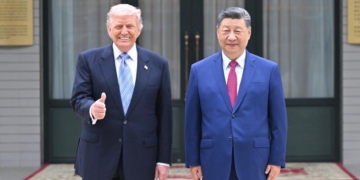






US President Donald Trump announced a ten-day ceasefire between Israel and the Iranian-backed radical movement Hezbollah after more than six weeks of escalating conflict in Lebanon. He said the ceasefire is expected to take effect at midnight local time and will last for ten days.
Trump announced the agreements reached following talks with Lebanese President Joseph Aoun and Israeli Prime Minister Benjamin Netanyahu. Both leaders have been invited to a meeting at the White House.
Hezbollah initially did not comment on the ceasefire announcement. The Lebanese government, however, is not an active party to the conflict and advocates de-escalation.
According to Israeli media, Netanyahu ordered the maintenance of ground forces in southern Lebanon for the duration of the ceasefire. This was reported by N12 TV channel, Ynet, and Haaretz, but no official confirmation has been received. It was also reported that the Israeli prime minister informed his ministers that Trump's ceasefire request had been fulfilled, although Israel's official position on the ceasefire had not previously been announced.
Later, Hezbollah MP Ibrahim al-Moussawi stated that the movement would "carefully" observe the ceasefire, provided there was a complete cessation of hostilities against it. He also stated that Israel should not exploit the ceasefire to launch attacks.
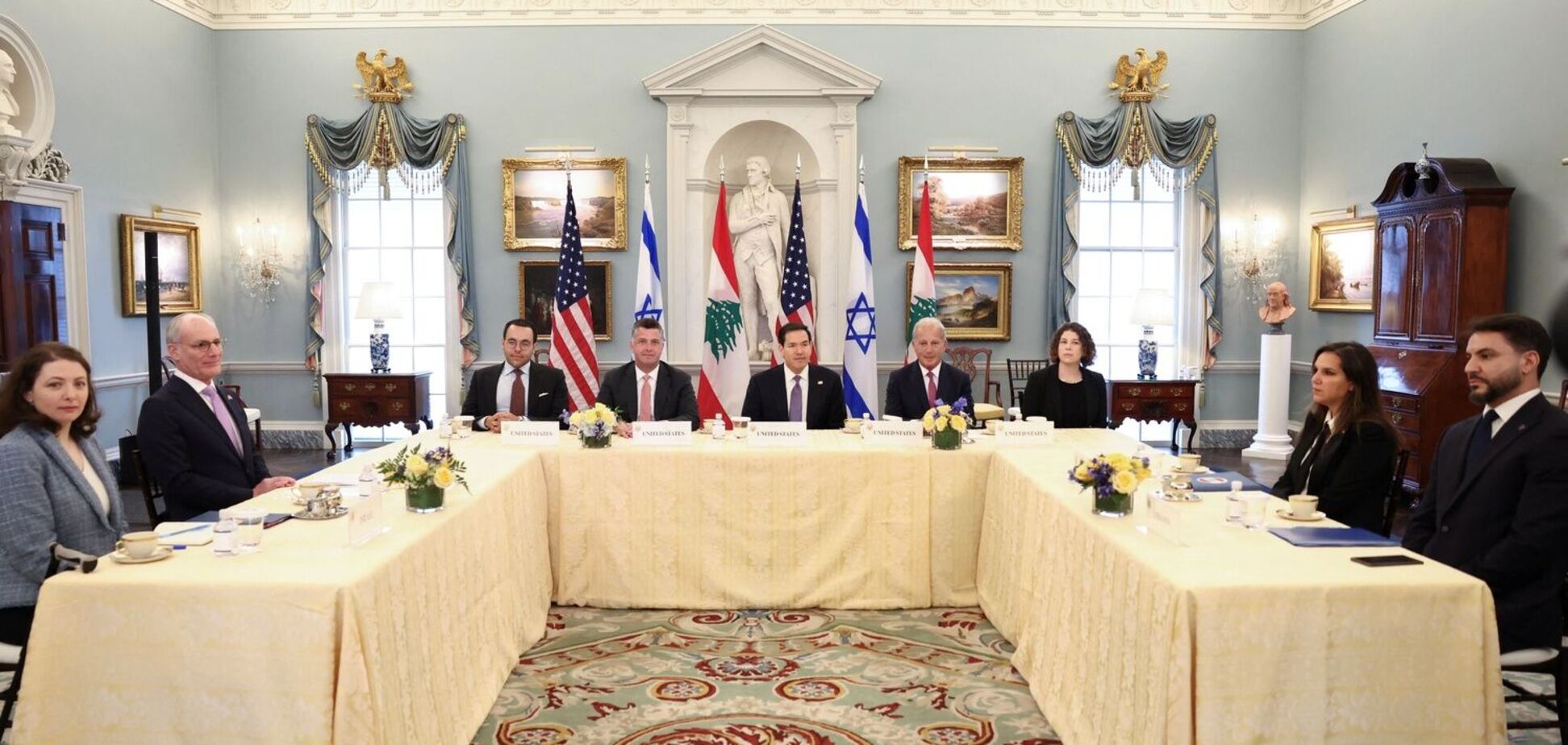
Trump has instructed Vice President J.D. Vance, Secretary of State Marco Rubio, and Chairman of the Joint Chiefs of Staff Dan Kaine to work with Lebanon and Israel to achieve a lasting peace. The current breakthrough reportedly followed direct talks in Washington, during which representatives of the warring parties held direct political contacts for the first time in decades. The American side previously stated that such talks could lead to a comprehensive peace agreement.
The armed confrontation escalated after the US and Israel launched a war against Iran in late February. Since early March, Hezbollah has resumed rocket attacks on Israel in response to the death of Iranian Supreme Leader Ali Khamenei in US-Israeli airstrikes. The Israeli Air Force responded with massive strikes on Lebanese territory.
Fighting has engulfed southern and eastern Lebanon, as well as the capital, Beirut, and its suburbs. The Israeli army has conducted ground operations and clashed with Hezbollah in border areas. According to the Lebanese Ministry of Health, approximately 2,200 people, including many women and children, have been killed in the fighting and bombings. The Israeli army has reported over 1,700 Hezbollah casualties since early March, while the exact number of civilian casualties remains unknown.
According to the Lebanese government, more than one million people have been forced to flee their homes, with hundreds of thousands waiting to return. Extensive destruction has been reported in the affected areas.
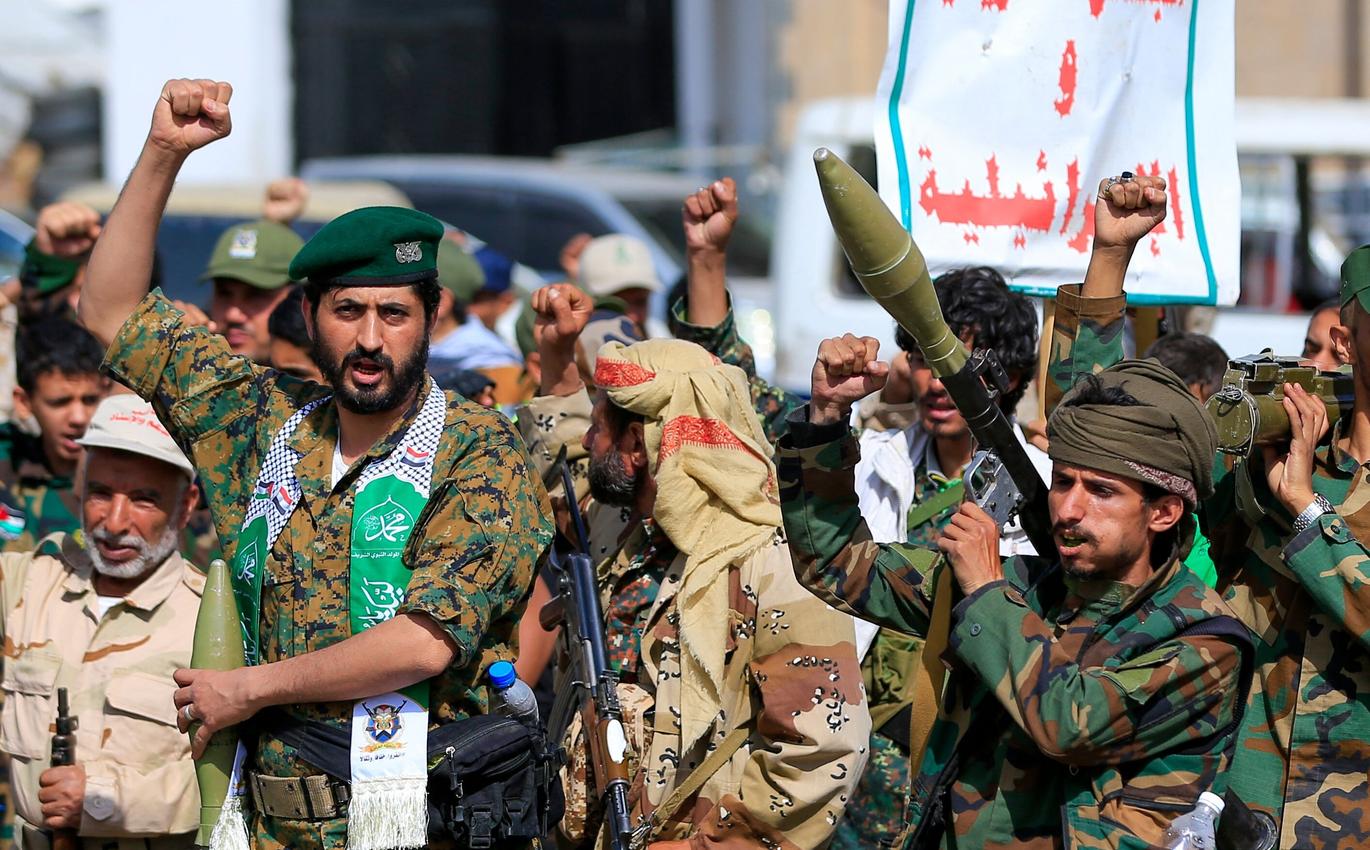
Hezbollah has long operated as a "state within a state" in Lebanon and is considered one of Iran's key allies. Before the current escalation, its combat potential was assessed by experts as significantly weakened.
Israel and Hezbollah were already in a state of open armed conflict in 2024. Despite a ceasefire signed in November, tensions remained high: both sides regularly accused each other of violations, and the Israeli army continued to strike Lebanese territory almost daily.
Israeli troops, meanwhile, remained at a number of positions in Lebanon. Under the terms of the previous ceasefire, Hezbollah was required to disarm, but Israel accused the Lebanese authorities of failing to fulfill these obligations and decided to pursue disarmament militarily.