Translated with AI




























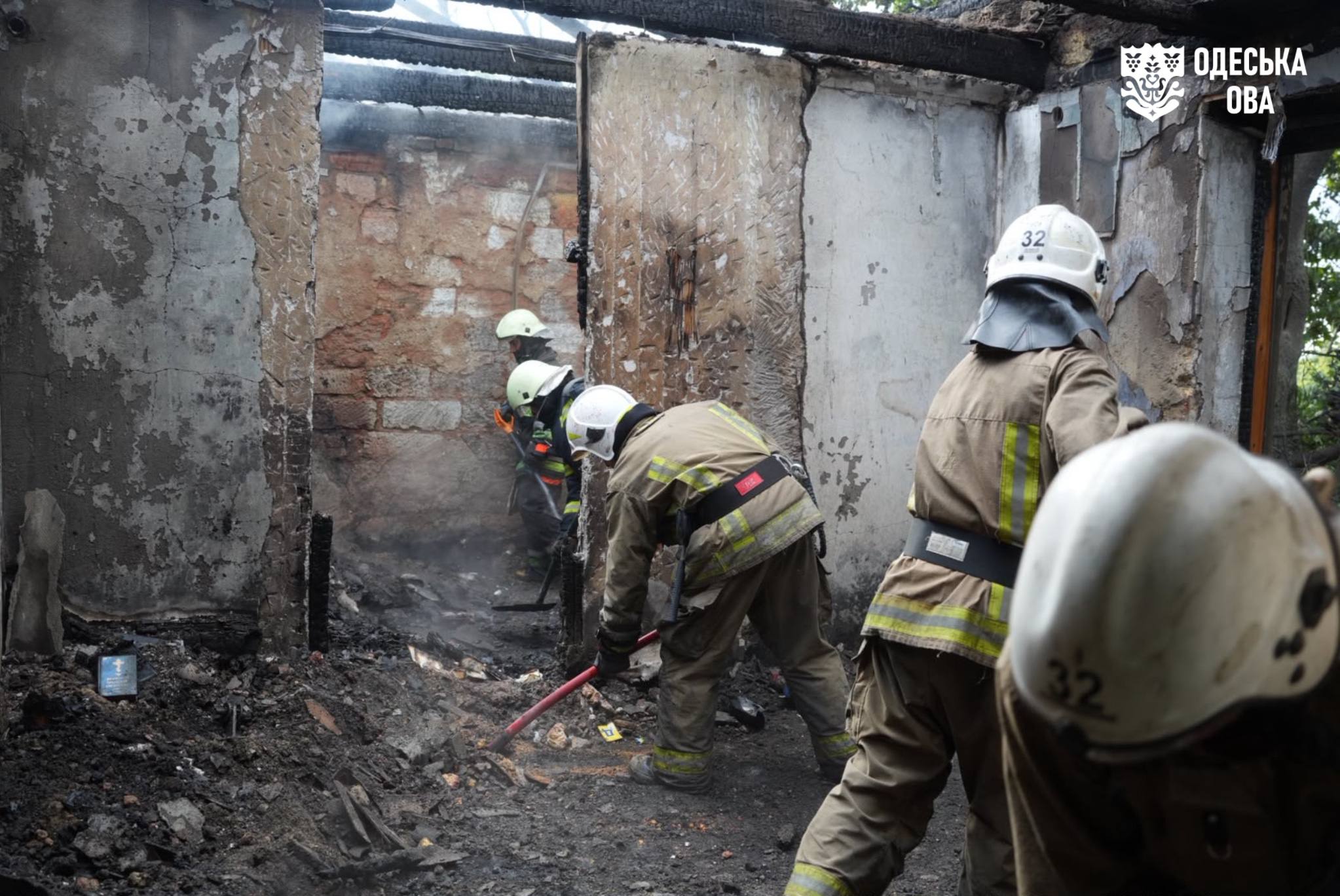
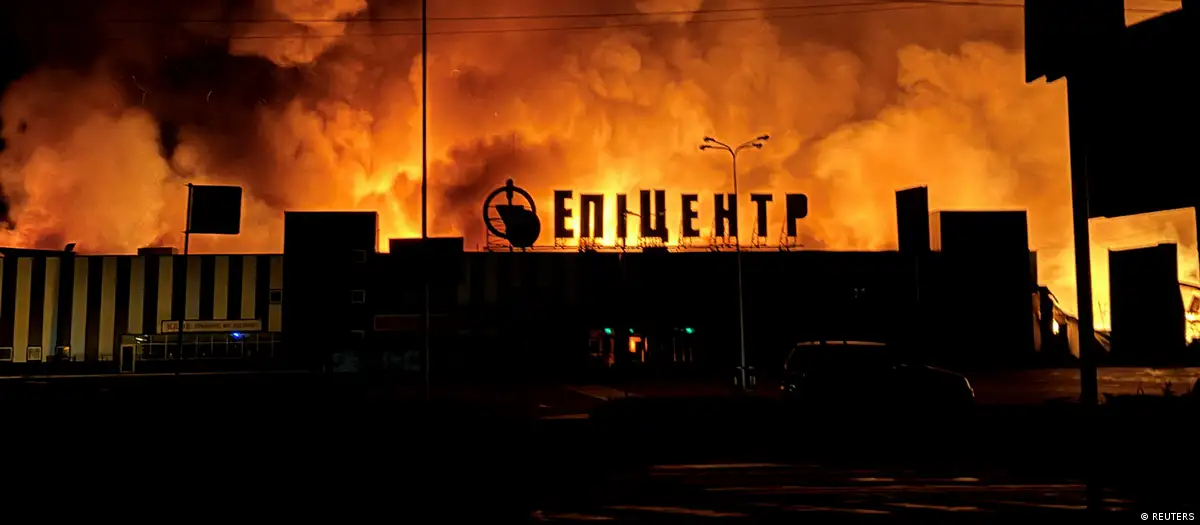
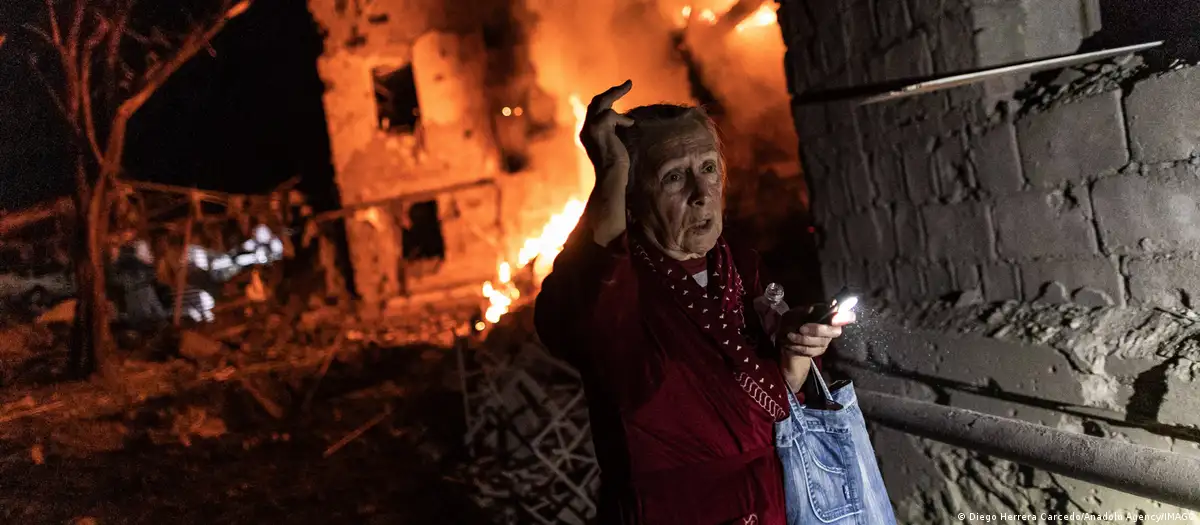

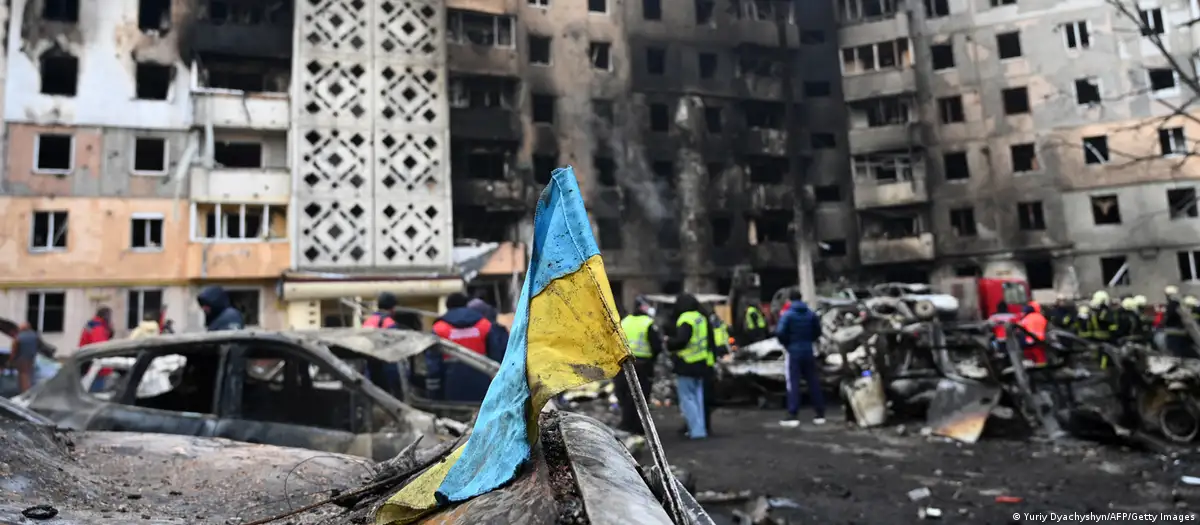
From January to October 2025, Russia's air strikes on Ukrainian territory resulted in the deaths of 548 civilians and the injury of 3,592 people, which is 26% and 75% higher, respectively, than the figures for the same period in 2024, according to a report published on November 25 by the UN Human Rights Monitoring Mission in Ukraine (HRMMU).
According to the report, 434 civilians were killed and 2,045 injured as a result of Russian air strikes between January and October 2024. The HRMMU notes that the increase in casualties is due to the intensification of Russian air attacks, some of which involved the simultaneous use of over 500 missiles and drones.
In Kyiv, the number of civilian deaths in the first ten months of 2025 was almost four times higher than the figures for the whole of 2024. Other major Ukrainian cities, including Dnipro and Zaporizhzhia, have also seen a significant increase in civilian casualties.
"In addition to the horrific human losses, residential buildings and public infrastructure are being destroyed, and restoration could take years," emphasized Daniel Bell, head of the UN Human Rights Monitoring Mission in Ukraine.
The report emphasizes that the latest waves of attacks have affected the country's energy infrastructure, leading to power shortages in various regions of Ukraine amid the approaching winter and falling temperatures.
Populations in frontline areas are suffering particularly severely. According to the HRMMU's monthly report, in September, 69% of all civilian casualties occurred in areas located near the front line, particularly in the Donetsk and Kherson regions. The UN monitoring mission notes that elderly people who remain in their homes and do not evacuate are often among the dead.
Moreover, the proportion of casualties among women is high. At least 4,403 women and 314 girls died across Ukraine from February 2024 to October 2025, UN Women representative Sabine Fraser reported at a briefing in Geneva. She noted that attacks on infrastructure and transport have a particularly severe impact on women, as they are more likely to stay at home and use public transportation.