Translated with AI




























With over 5.5 billion internet users – and almost the same number active on social media – the digital space has become a key tool for learning and communication. However, despite its benefits, the internet is increasingly being used to spread hatred, violence, and misogyny, according to the UN press service.
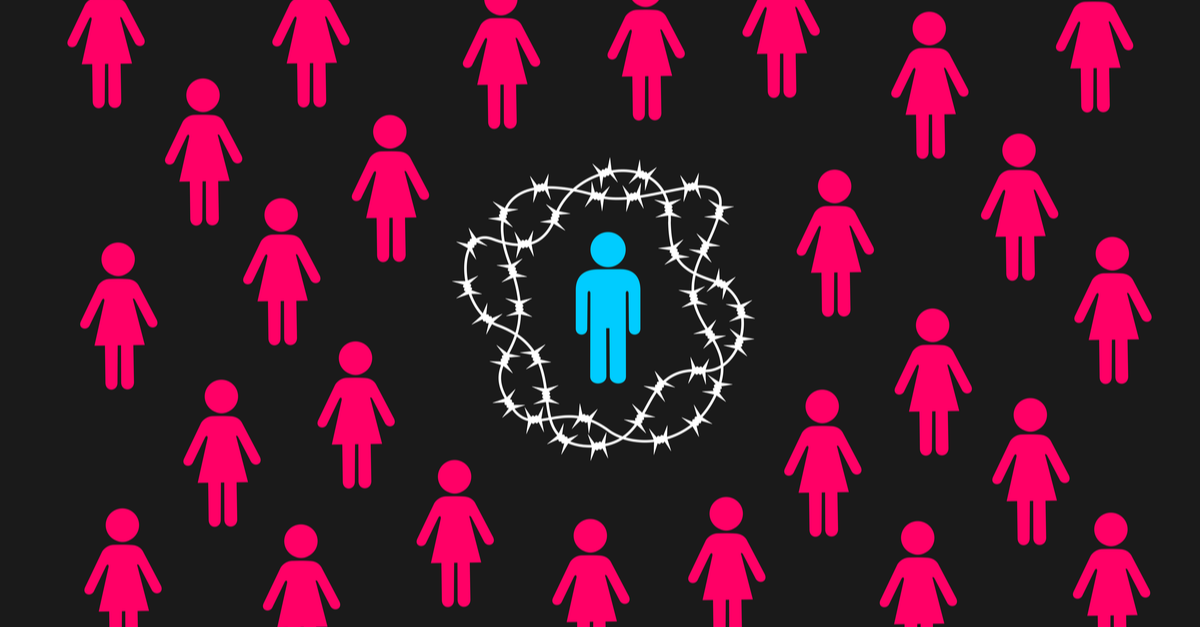
One rapidly growing segment of the digital space is the "manosphere": a network of communities that claim to discuss and help solve men's issues, such as relationships, fitness, or fatherhood, but often promote dangerous advice and attitudes. As highlighted in the UN Secretary-General's report on violence against women and girls, these groups are united by a rejection of feminism and a false portrayal of men as "victims" of the current social and political climate.
This kind of information is gaining popularity. According to the Movember Foundation, a leading men's health organization and UN Women partner, two-thirds of young men regularly interact with masculinity-promoting influencers online. Experts warn that the popularity of radical language in the manosphere not only normalizes violence against women and girls but is also increasingly linked to radicalization and extremist ideologies.
UN Women and its partners are taking action against online misogyny and digital violence. Research, support for survivors, programs, and campaigns against toxic masculinity are aimed at creating safe and equal digital spaces for all.
What is the manosphere?
The manosphere is an umbrella term for online communities that increasingly promote limited and aggressive notions of what it means to be a man, as well as spread the false idea that feminism and gender equality are achieved at the expense of men's rights. These communities impose the idea that emotional control, material wealth, physical attractiveness, and dominance, especially over women, are the criteria for masculine value.
The manosphere targets male audiences on social media, podcasts, gaming communities, dating apps, and virtually every other digital space. Many participants engage with it seeking forums for open discussion or exploration of men's issues. While the content may seem focused on male self-improvement, many of these groups promote unhealthy behavior, such as encouraging boys and men to assert themselves by putting others down.
Why the manosphere attracts young men
Extremist content in the manosphere most often attracts young men who feel isolated. According to the "State of American Men 2023" report, prepared by UN Women partner and research group Equimundo, two-thirds of young men feel "truly unappreciated."
Seeking community in digital spaces is normal. Many of us form a sense of identity, develop interests, and find like-minded people online. Young people often encounter influencers in the manosphere when seeking advice on fitness, dating, or finance. According to a Movember Foundation survey, many find the content entertaining or motivating.
False "coaches" in the manosphere attract young men by claiming to teach them personal responsibility. But instead of supporting self-development, they claim that men are victims of a mythical "misandric" society.
The UN Secretary-General's report notes that the expansion of the manosphere coincides with a rise in conservatism among young men, who view efforts to achieve women's equality as discrimination against men. According to research conducted by UN Women and the Unstereotype Alliance, young men are more likely than older men to hold stereotypical views on gender roles.
How the Manosphere Portrays Women
Groups in the manosphere are diverse, but many are united by misogyny—bias and hostility toward women and girls. The origins of these groups' ideologies stem from opposition to feminism and anti-women's movements. The main groups in the manosphere spread myths, pseudoscience, and lies based on gender.
Celibates (incels) believe that men have a right to sex, and that women deliberately deprive them of this right. The extremist incel culture promotes rape and violence, and also integrates other ideologies, including racism and homophobia. Incels have been repeatedly linked to acts of mass violence.
Men's rights activists (MRAs) argue that feminism and women's rights—the right to vote, the right to education, the right to hold leadership positions—infringe on men's rights. MRA proponents argue that society is gynocentric, meaning that women's interests dominate.
Pick-up artist practitioners (PUAs) teach their followers how to coerce women into sex and ridicule the idea of consent to sex.
The Men Going Their Own Way (MGTOW) movement promotes the idea that society is against men, so it is better to avoid women and even society in general.
Other terms of the manosphere
The ideology of the red pill, or "being accepted," means recognizing the reality that the world favors women over men. In a nod to The Matrix, this means that those who disagree have "taken the blue pill."
AWALT: The slogan "All women are the same" is used to stereotype women.
Femoids or FHO: "female humanoid organism" is a derogatory term intended to imply that women are not only inferior to men, but also not human at all.
Hypergamy: Used derogatorily to condemn women who seek to marry physically attractive and financially successful men.
The harm of gender stereotypes
In the manosphere, everyone loses. Misogyny and gender inequality harm both men and women. In a global data collection study, Equimundo found that men with narrow gender attitudes are more likely to engage in destructive behaviors, such as risk-taking and substance abuse. They are also more prone to depression and suicide.
Gender stereotypes about men in the manosphere act as a vicious cycle. If boys and men aren't given the opportunity to openly discuss their emotions, feelings, or problems, they may turn to these online communities as sources of advice on topics such as relationship issues, fatherhood, anxiety, and sexual health.
According to the Movember study, young men who actively engage with masculine influencers:
more often feel useless and anxious;
more often take supplements to increase potency and play sports, despite injuries;
are less likely to prioritize their mental health;
value wealth and popularity among male friends more.
Stereotypes about women in the manosphere contribute to the formation of myths and hierarchies that hold women back. A global study conducted in support of HeForShe, a UN Women initiative promoting gender equality, found that members of Generation Z are most susceptible to sexist rhetoric online. At the same time, young men today are more likely to hold regressive ideas about gender roles than older men, which is a backlash that could reverse hard-won gains in gender equality.
What do statistics about the manosphere show?
Spreading Harmful Misinformation: According to Equimundo, 40 percent of adult men surveyed in the US and half of young men trust one or more pro-men's rights manosphere sources with anti-feminist or violent messages.
Feeling safe in digital spaces: HeForShe research found that most men (69 percent) and women (72 percent) are concerned about sexist rhetoric on social media.
Risks of online violence: One global study found that 58 percent of girls and young women have experienced some form of online harassment.
Risk of radicalization: Some men and boys who visit "manosphere" forums feel alienated from society. Even if relatively few users end up on accounts with more radical content, research by the Institute for Strategic Dialogue (ISD) shows that the risk still exists.
UN Women and Equimundo are studying the link between online misogyny and radicalization to more effectively respond to these risks and prevent violence against women and girls. This work, conducted as part of the "ACT to End Violence against Women and Girls" program, is funded by the Government of Iceland and the European Union.