Translated with AI
























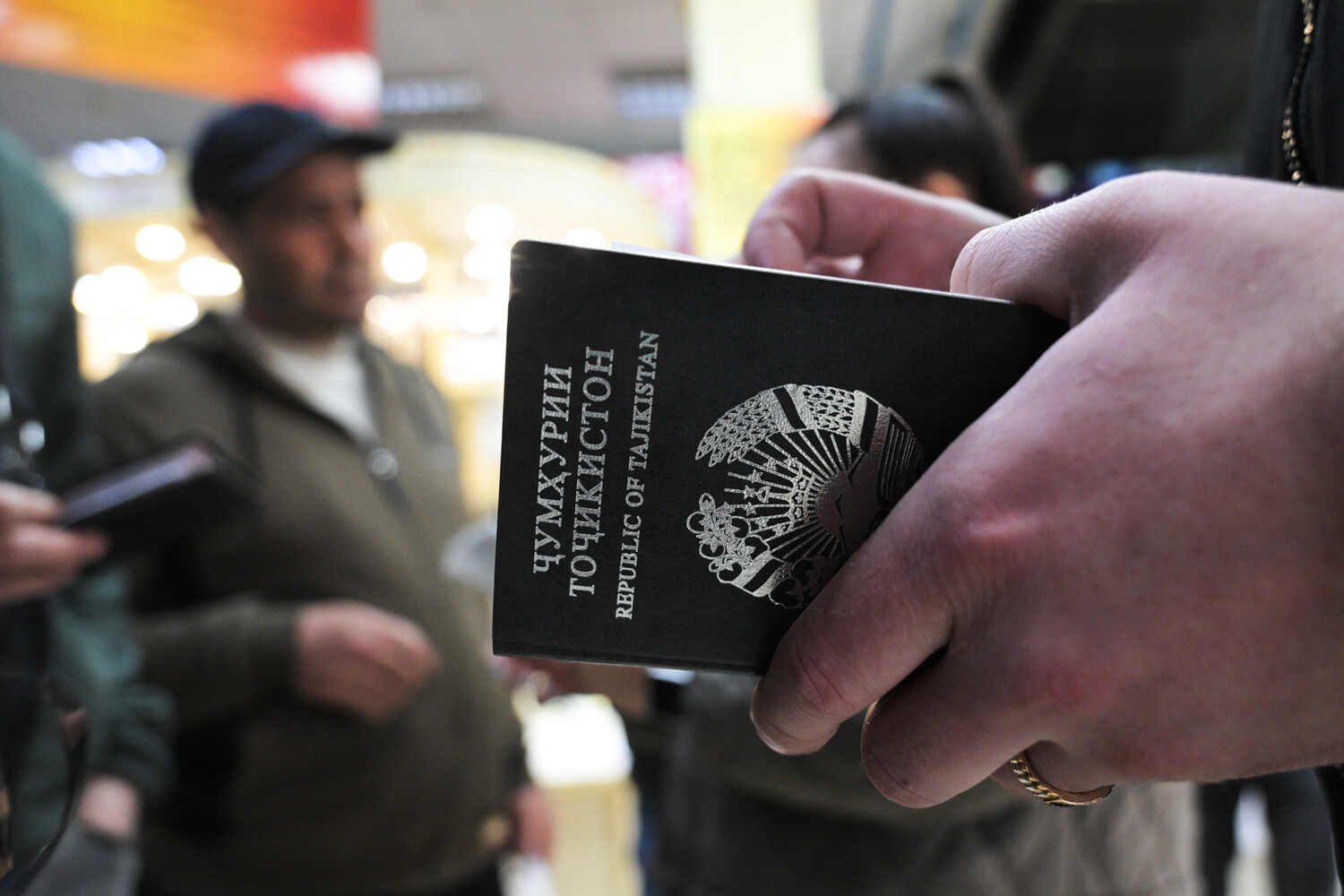
The Russian Border Service is increasingly denying entry to citizens of Tajikistan and Uzbekistan if subscriptions to public pages of terrorist and extremist organizations, as well as radical channels, are found on their mobile devices. This is evidenced by materials from more than 20 court cases studied by TASS.
One of the documents states that Tajik citizen Dilshod A. was stopped at the border after subscriptions to Islamic channels with sermons by radical Islamist figures banned in Russia were found on his smartphone. In addition, he viewed content aimed at anti-Russian propaganda. The document notes: "During the inspection of the voluntarily provided mobile device, it was established that subscriptions to Islamic channels with videos of radical preachers banned in the Russian Federation were found on the YouTube video hosting service."
In another case, Uzbek citizen Akmaljon B. was denied entry to Russia because he had watched channels of religious bloggers with radical views and videos related to the activities of terrorist organizations. According to border guards, he had an “increased interest in radical preachers,” which posed a threat to Russia’s security.
In addition, several individuals who were denied entry were found to have subscriptions to pro-Ukrainian channels, as well as correspondence condemning the actions of Russian law enforcement agencies. In particular, one of the citizens of Tajikistan had religious videos, Ukrainian channels, and videos about the activities of Ukrainian special services on his smartphone, and his correspondence contained criticism of the work of Russian security agencies. It is noted that some are trying to delete correspondence in messengers before crossing the border.
The Russian border services continue to carefully check citizens of Tajikistan and Uzbekistan when crossing the border, in order to prevent the entry into the country of persons with extremist views and potential threats to national security.
Checks of citizens at the border were tightened after the terrorist attack at the Crocus City Hall concert hall on March 22, 2024. Over the past year and a half, more than 20 citizens of Tajikistan and Uzbekistan have tried to appeal the decision to ban entry to Russia. Most of them stated their desire to work in Russia, some referred to relatives and friends whom they were supposedly going to visit. In all cases, the courts refused to overturn the border service's decisions, considering them legal and justified.