Translated with AI















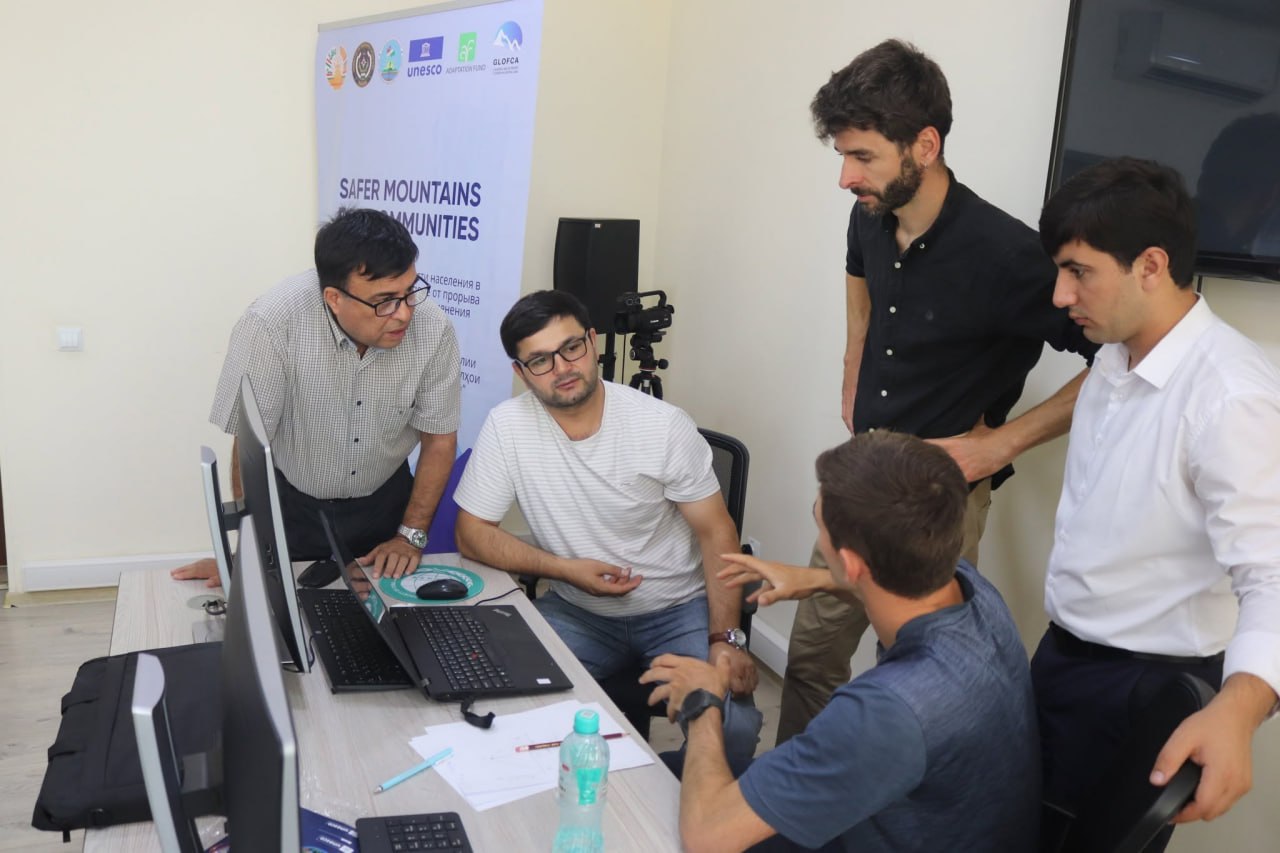










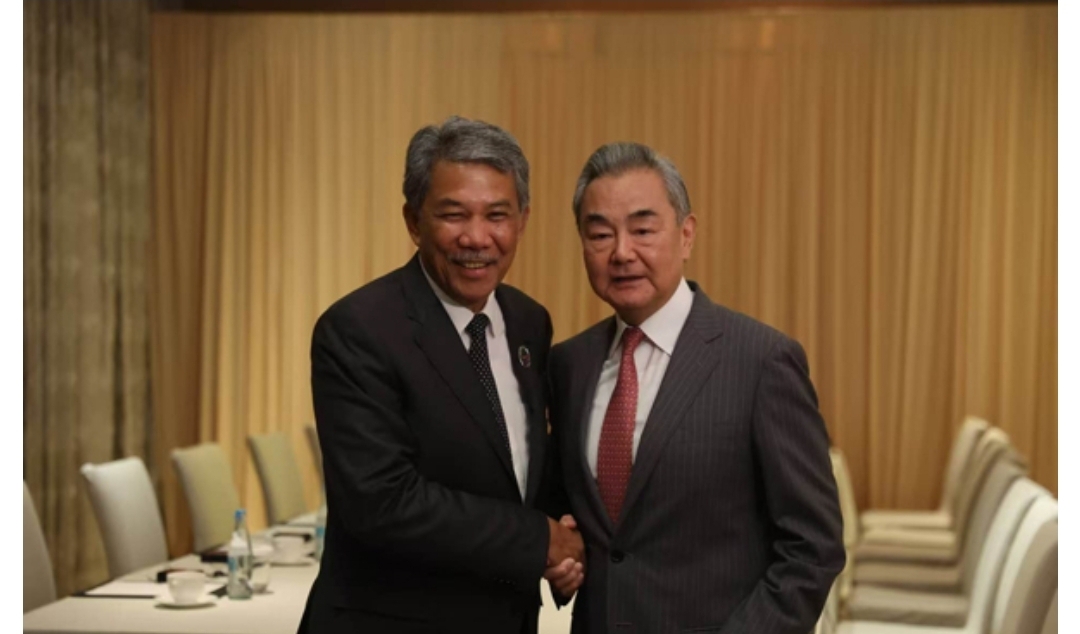






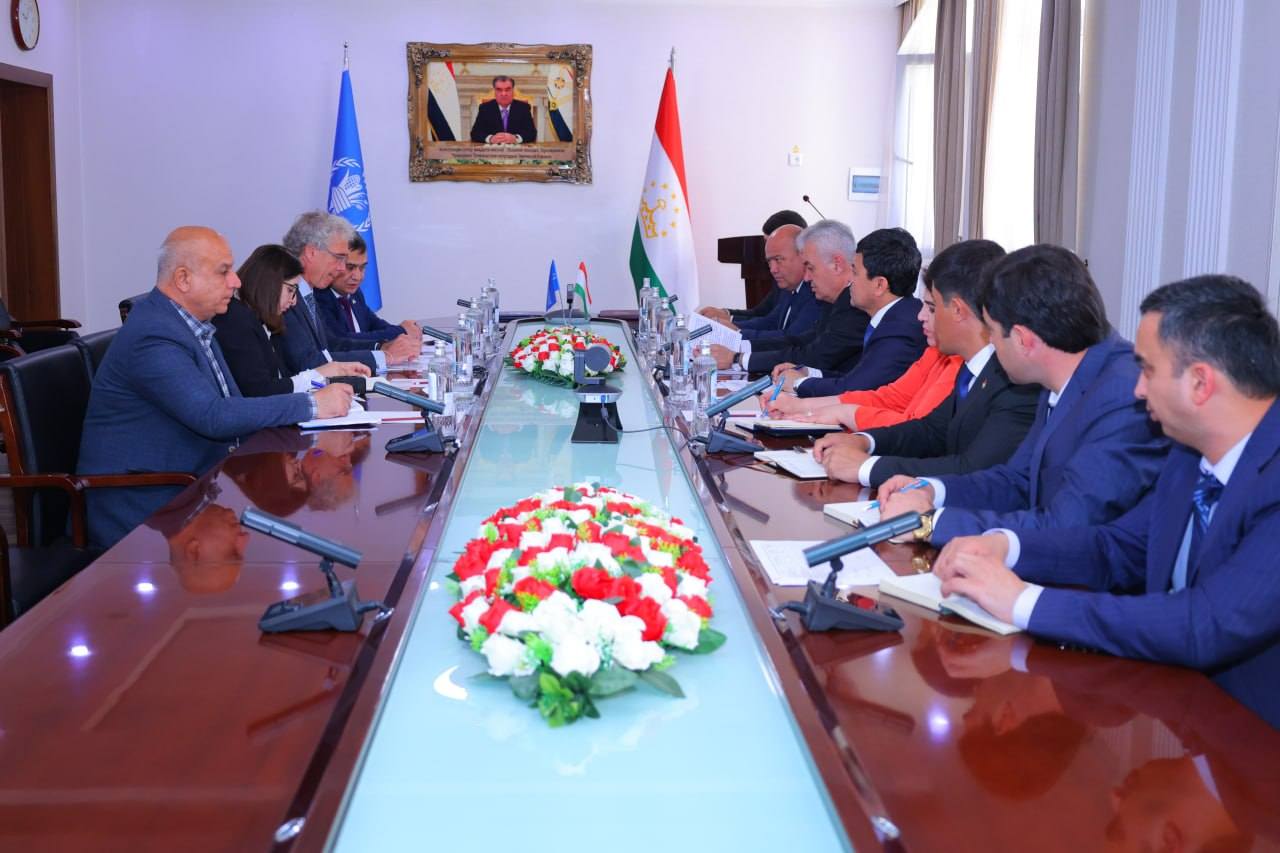
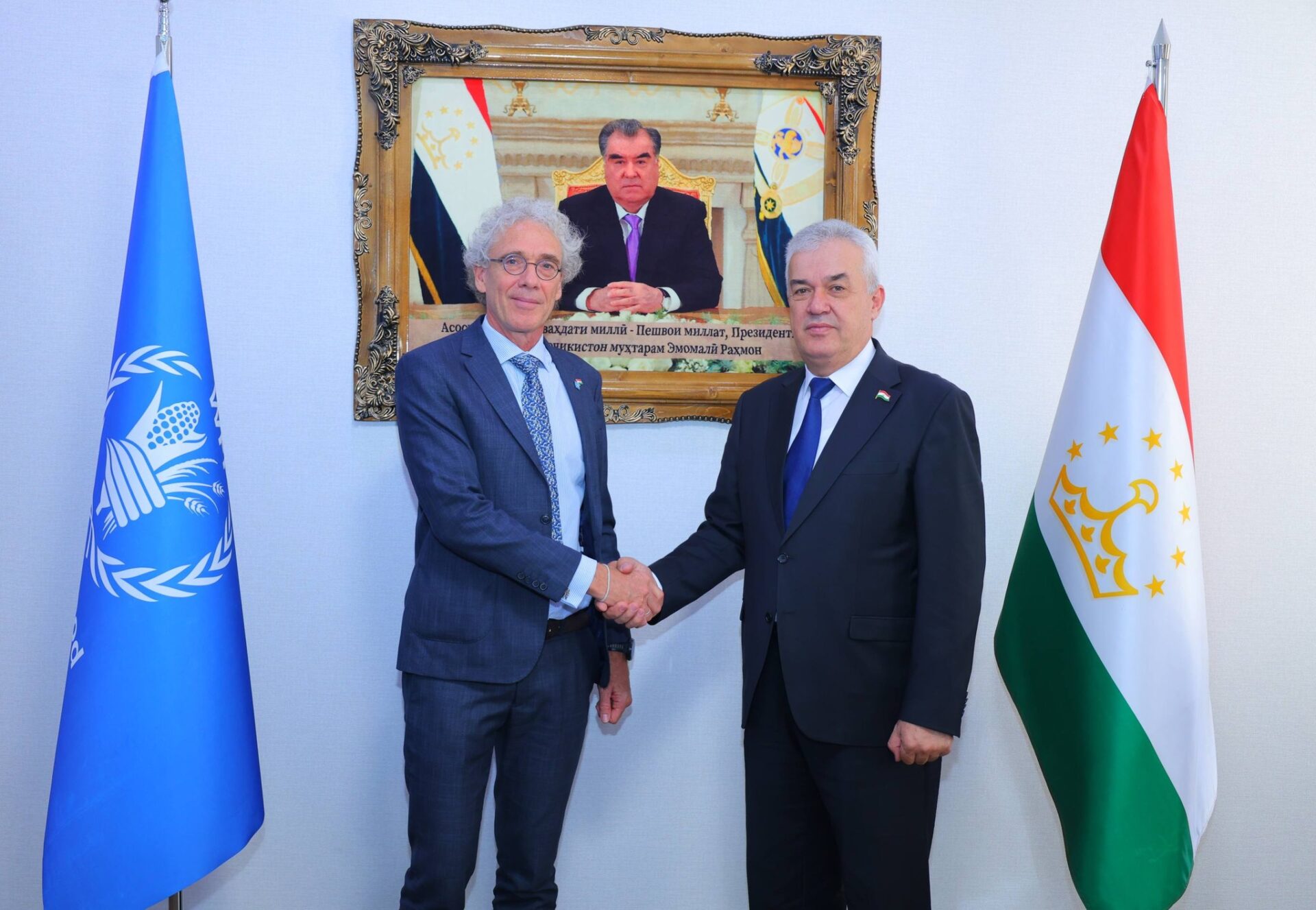
On May 7, a meeting was held at the Ministry of Education and Science of the Republic of Tajikistan between Minister of Education and Science Rahim Saidzoda and World Food Programme Representative in Tajikistan Simon Hollem. This was reported by the ministry's press service.
At the beginning of the meeting, the Minister congratulated Simon Hollem on his appointment as Country Director and Resident Representative of the World Food Programme in Tajikistan, wishing him success in his future work.
The main topic of the negotiations was the development of cooperation within the framework of the implementation of the State Program for the Development of School Nutrition for 2022–2027.
During the meeting, it was noted that the World Food Programme currently supplies over 1,800 educational institutions with fortified wheat, vegetable oil, and salt. The program is implemented with the participation of local authorities and parents, who cover utility costs, including electricity, water, heating, and other related expenses.
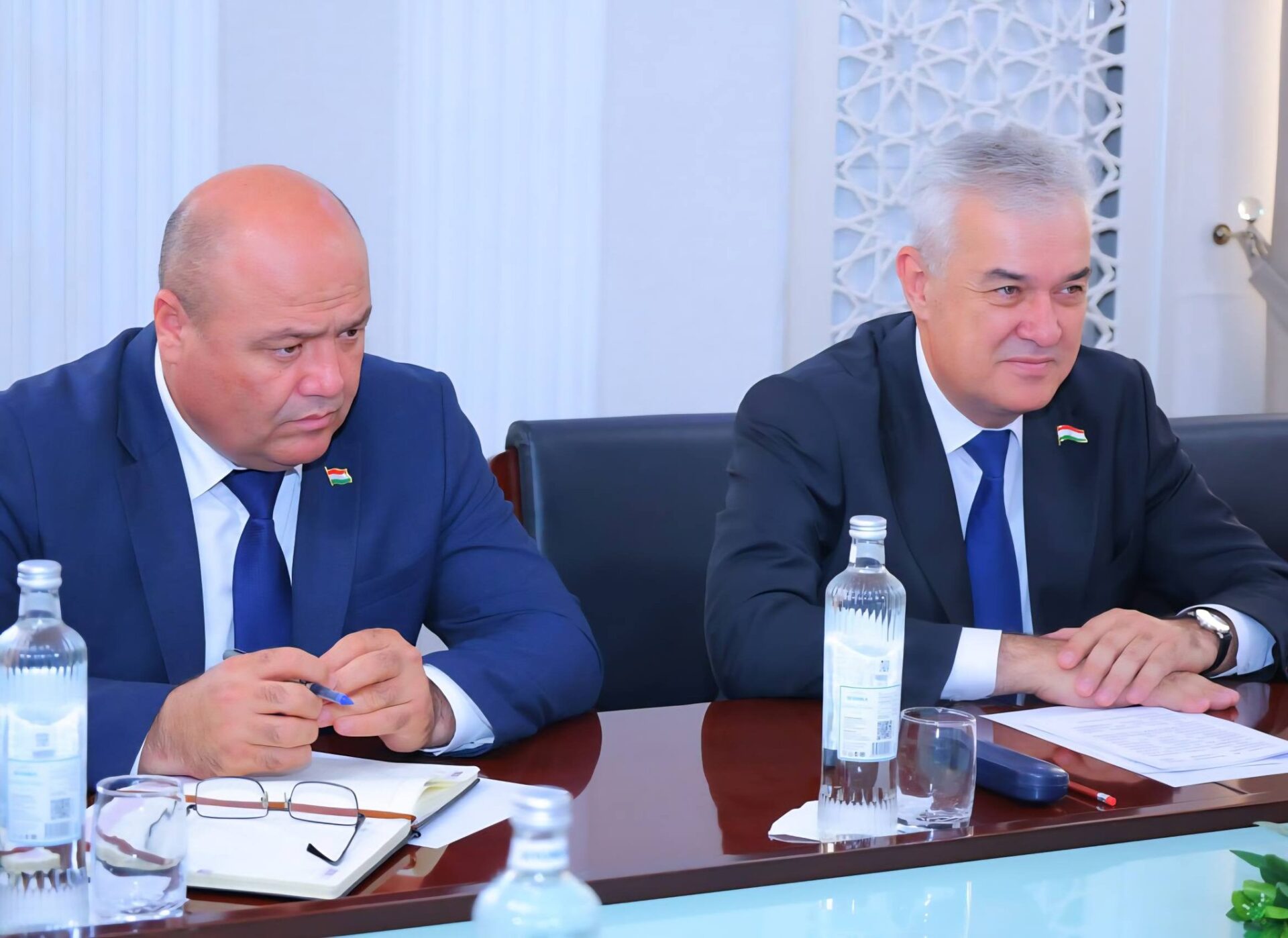
The parties emphasized that the Government of Tajikistan continues to implement the State Program for the Development of School Nutrition for 2022–2027, aimed at improving the quality of student nutrition, improving the infrastructure of school cafeterias, and providing children with nutritious and balanced nutrition.
The Minister of Education and Science announced that, starting in 2022, funding for school meals for general education institutions began under a state program. He stated that the number of institutions covered by the program increased from 43 in 2022 to 176 in 2026, and the funding volume increased from 5.5 million to 37 million somoni.
It was also noted that the School Nutrition Department was created and is effectively functioning under the Ministry of Education and Science with the support of the World Food Programme.
During the meeting, the parties emphasized that Tajikistan became the first Central Asian country to join the Global Alliance for School Feeding.
Particular attention was paid to the issue of food delivery delays. It was noted that some educational institutions have not received food supplies since January 2026, which could negatively impact the regular provision of meals to schoolchildren.
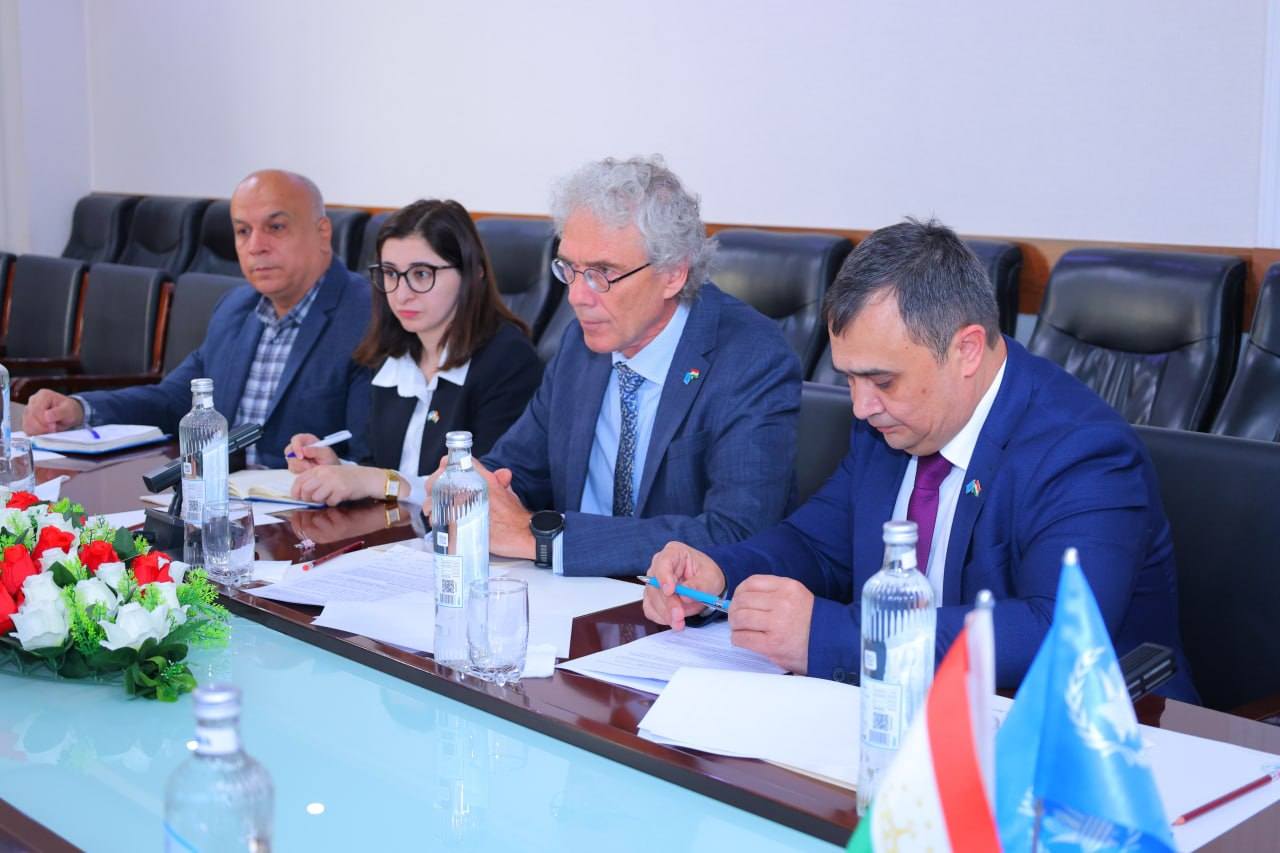
The minister emphasized that the agency continues to collaborate with development partners, including the World Food Programme, to quickly restore regular food supplies. He also proposed revising food delivery times.
The parties acknowledged the importance of strengthening coordination and monitoring and reporting systems under existing agreements. They also emphasized that any school nutrition initiatives must be coordinated with the authorized education authority.
In addition, the meeting participants discussed issues of improving the conditions of school cafeterias, their renovation and equipment, as well as providing all educational institutions with food products.
At the end of the meeting, the Minister expressed gratitude to the World Food Programme for fruitful cooperation, including assistance in implementing the School Feeding Programme, providing educational institutions with necessary equipment, and supporting the construction and restoration of educational institutions damaged in the Rasht and Tojikobod districts.
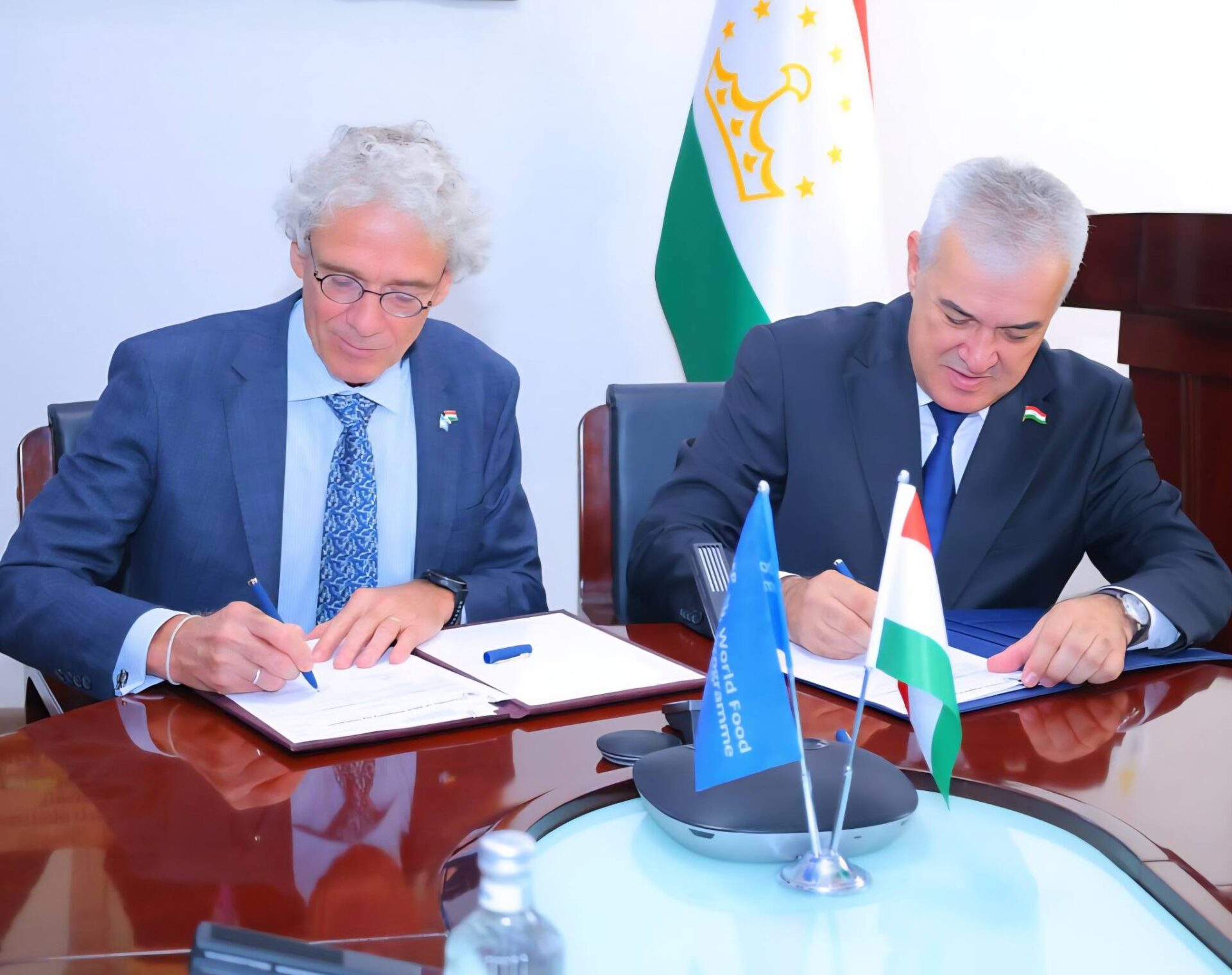
Following the talks, the parties signed a number of bilateral cooperation agreements and confirmed their commitment to continue collaborating on the development of school nutrition and the provision of high-quality meals to students.